
Key Highlights
- Incident Date:July 9, 2026, marked by artillery fire in central Myanmar.
- Casualties:Three civilians, including a teenager, killed during the attack.
- Local Impact:Hospitals overwhelmed with trauma patients amid ongoing conflict.
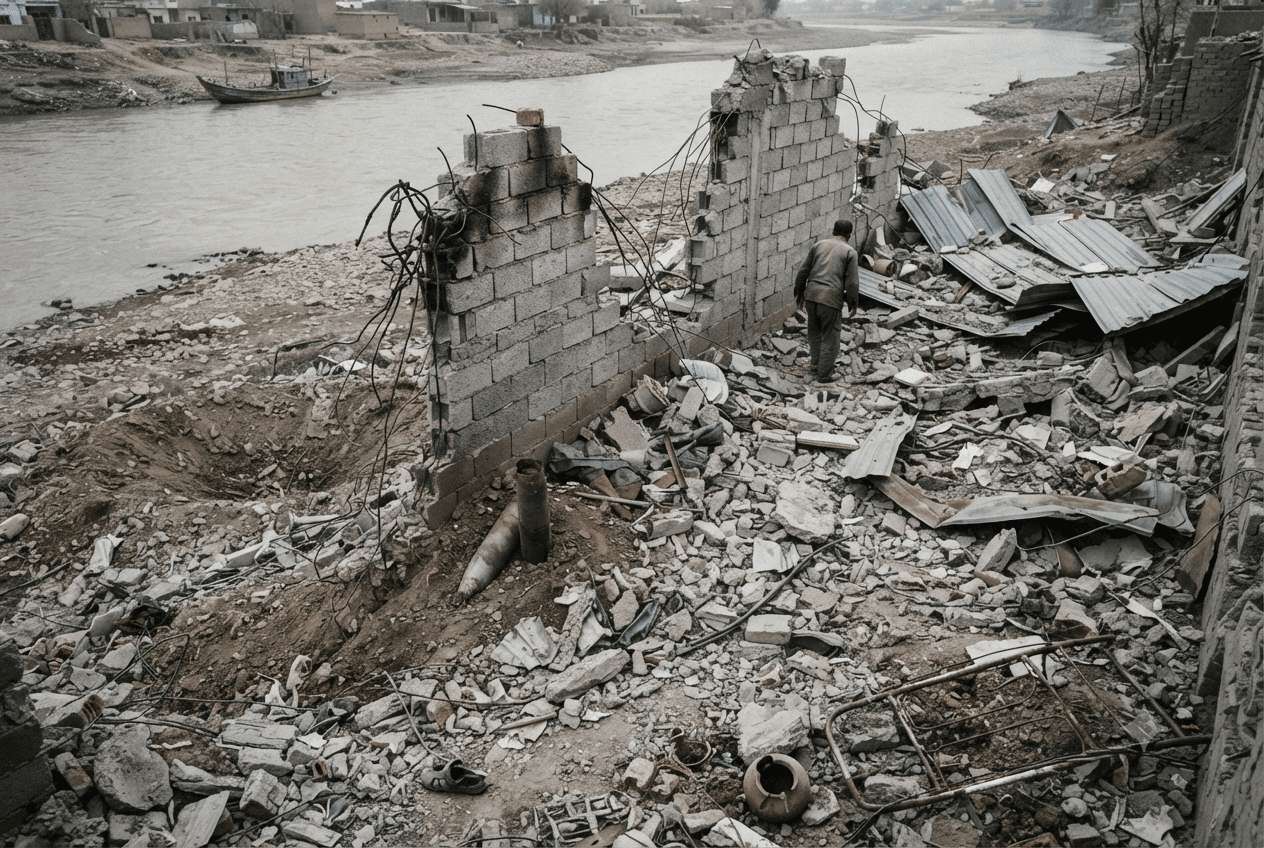
Artillery fire struck a residential area near the Irrawaddy River on July 9, 2026, resulting in the tragic deaths of three civilians. The shells fell in the early afternoon, catching families off guard as they attempted to continue their daily chores amidst the sounds of nearby combat. The sudden impact caused immediate panic, with survivors fleeing toward the riverbanks in search of safety. This incident represents one of the most significant losses of life in this riverside district since the escalation of fighting in the region.
The victims, identified as two adults and one teenager, were reportedly working in a field when the artillery struck. Their bodies were recovered later in the day after the barrage ceased. The source of the shelling remains contested, as both military units and resistance fighters were engaged in active combat within a few kilometers of the town. Local residents reported that the volume of fire was unprecedented for this month, heightening fears among the population.
Local hospital personnel confirmed that several other residents arrived with shrapnel injuries, overwhelming the medical facility's resources. The influx of trauma patients has severely depleted supplies, and doctors have indicated that many of the wounded require complex surgeries that are currently impossible due to power outages caused by the shelling. The town is now effectively under lockdown, with few residents daring to venture outside.
The ongoing conflict has complicated the movement of refugees, as military surveillance has made roads and bridges dangerous. The river, once a viable escape route, has seen ferry services suspended following the shelling, leaving many families trapped. Those attempting to cross in small boats face the risk of being targeted if perceived as fleeing combatants.
Military authorities assert that the region remains under their control and that the artillery fire was a defensive response. In contrast, local resistance representatives accuse the military of deliberately targeting civilian areas to instill fear in the population. This conflicting narrative has left residents uncertain about how to protect themselves, with fear now a constant presence in their daily lives.
Public infrastructure has suffered significantly due to the day's events. Power lines have been severed in multiple locations, plunging parts of the town into darkness. Many shops and market stalls, which are vital to the local economy, have been closed indefinitely. There is no indication of government assistance to address the damage or support the families of the victims.
The situation remains precarious, with reports of ongoing artillery exchanges in the distance. Residents are digging temporary bunkers beneath their floors to survive the night, and there is no sign that the military intends to withdraw from their positions along the riverfront. As the conflict continues to escalate, this once-peaceful agricultural hub has transformed into a perilous frontline.
Search and rescue efforts have been hindered by the persistent threat of renewed shelling. Volunteers have chosen to suspend their activities until daylight, hoping for a reduction in the intensity of the fighting. For the families of the three victims, the mourning process is overshadowed by the urgent need to find a safe place to sleep. The community is enduring extreme duress as they navigate this crisis.
Published by Banx Network. This article is part of the Banx decentralized media programme, powered by the BXE token on the XRP Ledger.



