Scientific discovery has often advanced through specialized tools, each designed to answer a particular question. Yet as modern research grows increasingly complex, scientists are exploring whether artificial intelligence can serve as a bridge connecting diverse fields of knowledge.
An international team of researchers has introduced a new artificial intelligence framework designed to support research across multiple branches of natural science. The model, known as LOGOS, seeks to provide a more general-purpose approach to scientific investigation.
Unlike many existing AI systems developed for narrow tasks, LOGOS is intended to assist scientists working across disciplines such as physics, chemistry, biology, and Earth sciences. Researchers say the model aims to identify patterns, generate hypotheses, and support data interpretation.
The growing volume of scientific data has become one of the central challenges facing researchers worldwide. AI systems are increasingly being employed to analyze complex datasets that would otherwise require extensive time and resources.
Developers of LOGOS emphasize that the system is designed to complement human expertise rather than replace scientists. Human judgment, experimental validation, and peer review remain essential components of the scientific process.
Experts believe that general scientific AI models could accelerate discoveries in areas ranging from materials science to climate research. By recognizing relationships across disciplines, such systems may help uncover connections previously overlooked.
At the same time, researchers caution that transparency and reliability are critical considerations. AI-generated findings must undergo rigorous verification to ensure scientific integrity.
The emergence of increasingly capable AI tools has sparked broader discussions regarding ethics, reproducibility, and the responsible integration of machine learning into scientific research.
As artificial intelligence continues to evolve, many scientists view these technologies as valuable partners capable of expanding, rather than replacing, humanity's capacity for discovery.
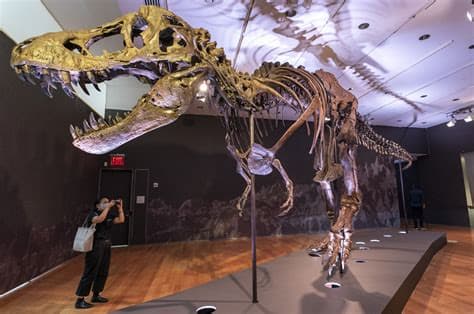
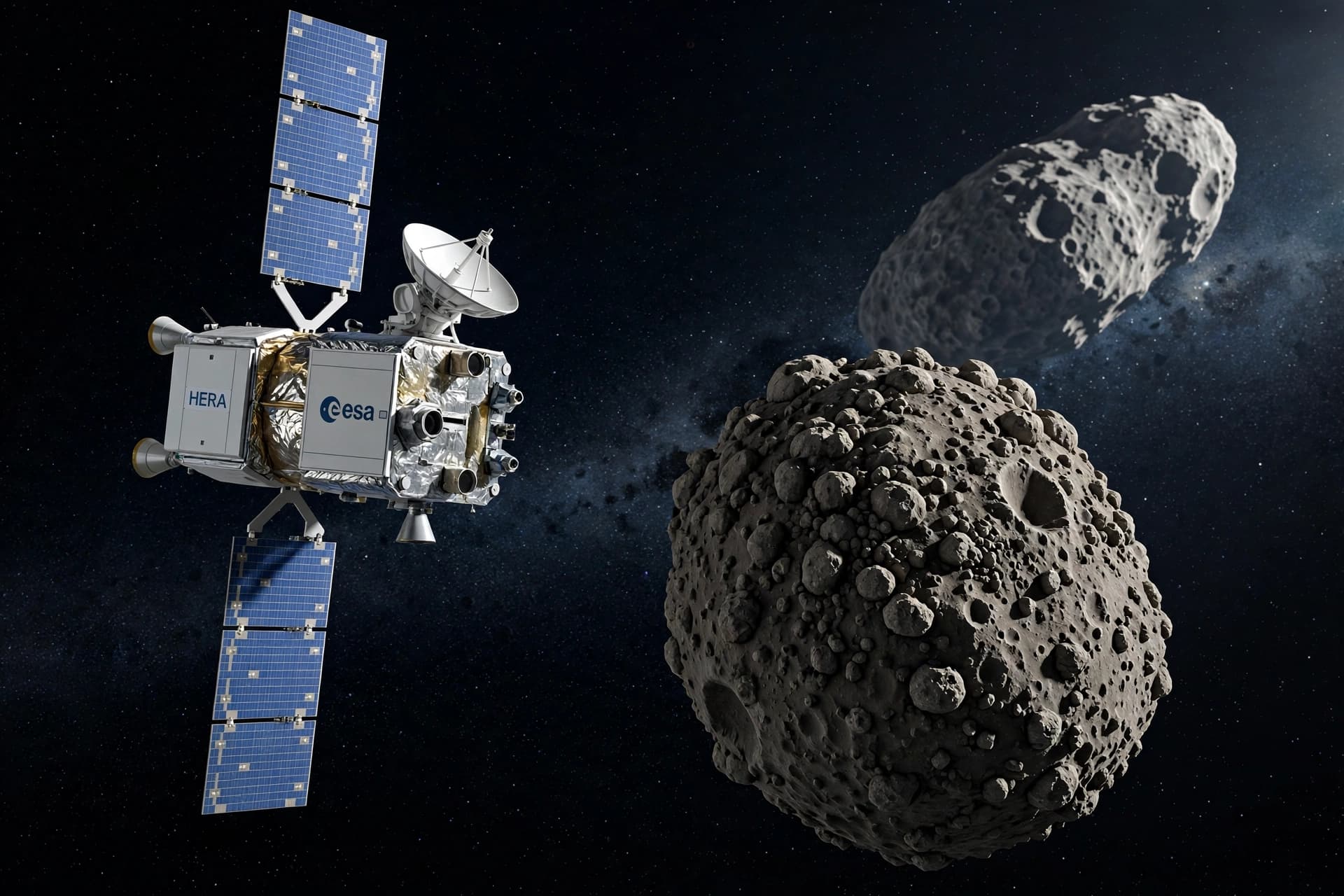
AI Image Disclaimer: Visual illustrations in this article were generated using artificial intelligence for editorial and explanatory purposes.
Sources Verification Check: arXiv, Nature, Reuters, Science Magazine
Published by Banx Network. This article is part of the Banx decentralized media programme, powered by the BXE token on the XRP Ledger.