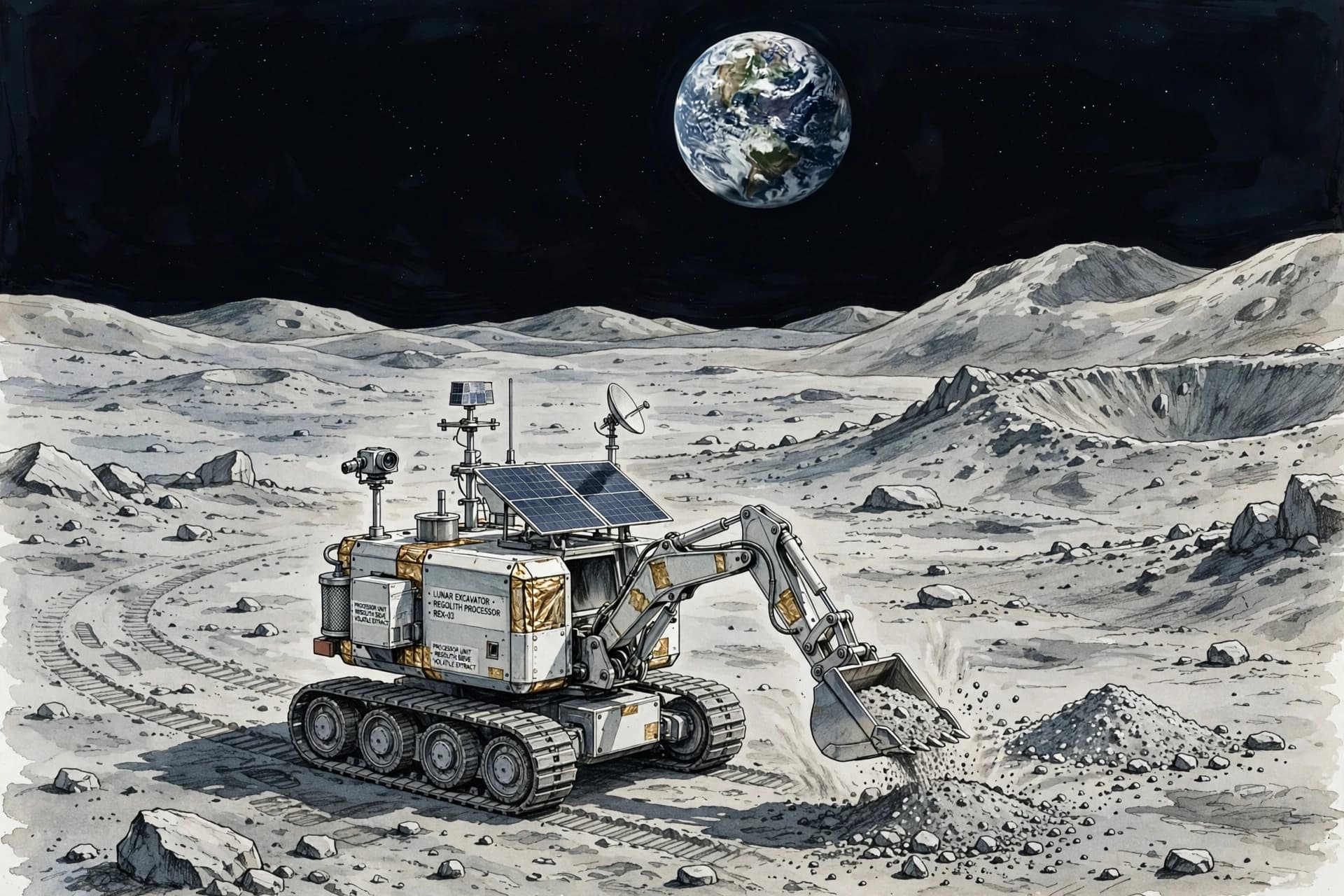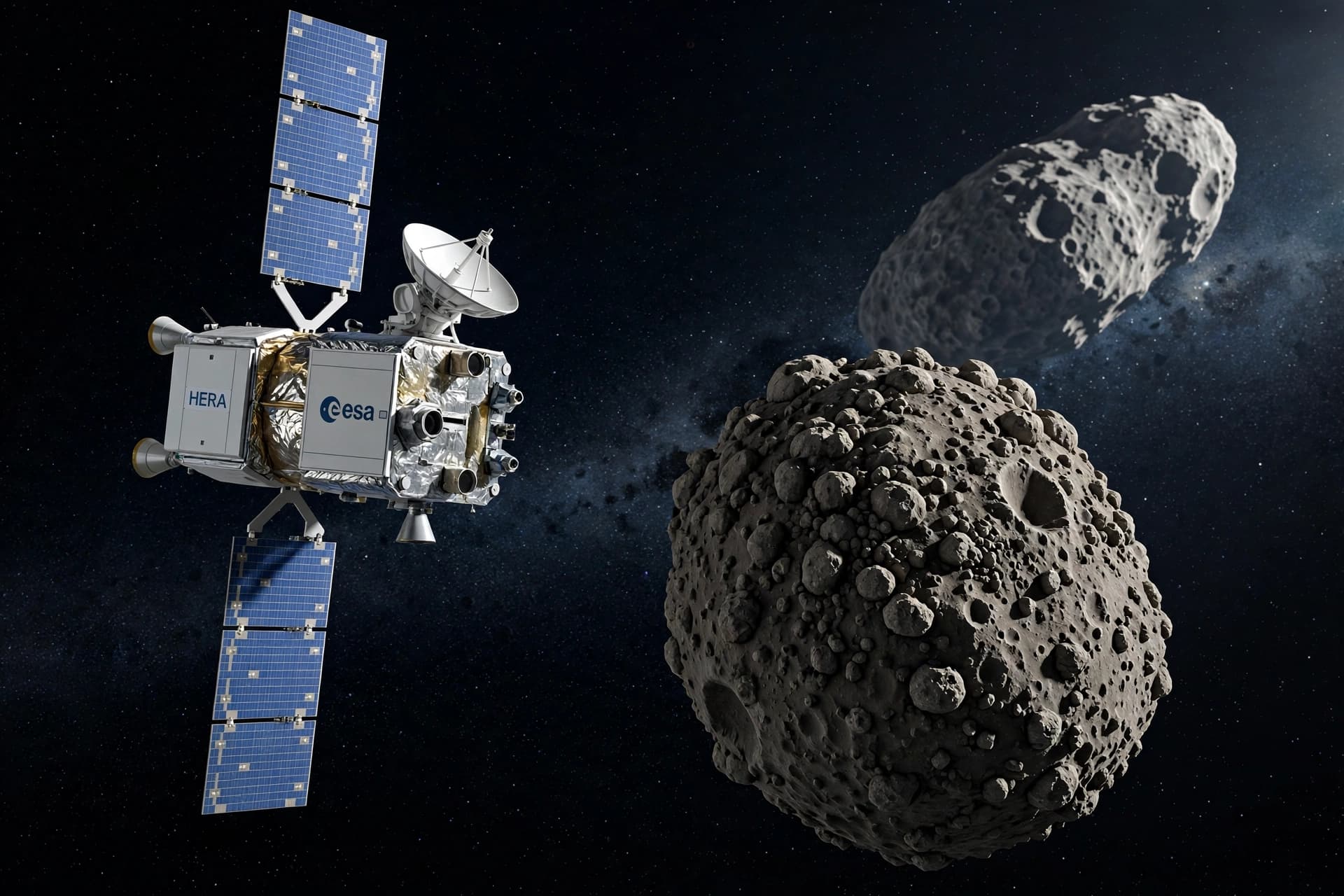
Scientific discovery has often advanced through a partnership between curiosity and technology. Telescopes expanded humanity's view of the cosmos, microscopes revealed hidden worlds, and supercomputers transformed data analysis. Today, artificial intelligence appears poised to become the next major tool shaping scientific progress.
Researchers increasingly argue that AI systems are entering a new phase in which they can contribute directly to scientific exploration rather than simply processing information. Advances in machine learning have enabled algorithms to identify patterns within enormous datasets that would be difficult for humans to detect independently.
Across disciplines ranging from biology to astronomy, scientists are already employing AI to accelerate research. In drug development, machine learning models help identify promising molecular compounds. In astrophysics, AI assists researchers in analyzing vast quantities of observational data collected by modern telescopes.
Experts suggest that future AI systems may not only analyze existing information but also generate hypotheses, design experiments, and recommend entirely new research directions. Such capabilities could significantly reduce the time required for major discoveries.
Despite this optimism, researchers caution that AI should be viewed as a scientific partner rather than a replacement for human expertise. Interpretation, validation, ethical oversight, and creative reasoning remain essential components of the scientific process.
Questions concerning transparency and reliability also remain central. Scientists emphasize that AI-generated conclusions must be rigorously tested through established scientific methods before being accepted.
Many institutions are now investing heavily in AI infrastructure, interdisciplinary collaboration, and training programs aimed at integrating computational tools into research environments.
As artificial intelligence continues to evolve, its influence on science is expected to expand. Whether uncovering new medicines or revealing hidden features of the universe, AI may increasingly help humanity navigate the frontiers of knowledge.
AI Image Disclaimer: The visual elements included in this article were generated using AI for illustrative and educational purposes.
Sources: Science News, Nature, Science Magazine, MIT Technology Review
Published by Banx Network. This article is part of the Banx decentralized media programme, powered by the BXE token on the XRP Ledger.