Scientific discovery has traditionally been associated with laboratories, field expeditions, and years of patient experimentation. Today, a new tool is steadily joining that process: artificial intelligence, capable of analyzing vast amounts of information at unprecedented speed.
Researchers increasingly believe that artificial intelligence is entering a new phase in scientific research, moving beyond data analysis to assist in generating hypotheses, designing experiments, and identifying previously unnoticed patterns.
AI systems are already being applied across numerous disciplines, including medicine, materials science, astronomy, climate research, and biology. By processing enormous datasets, these systems can help scientists identify relationships that might otherwise remain hidden.
In drug discovery, for example, AI tools are accelerating the search for promising compounds and reducing the time required to evaluate potential treatments. Similar approaches are being used to develop advanced materials and optimize industrial processes.
Astronomers are employing machine learning techniques to analyze observations collected by modern telescopes, while climate scientists use AI models to improve forecasting and better understand complex environmental systems.
Experts caution that artificial intelligence remains a complementary tool rather than a replacement for scientific expertise. Human judgment, creativity, and experimental validation continue to play central roles in the scientific method.
Questions surrounding transparency, reproducibility, and ethical use also remain subjects of ongoing discussion within the scientific community. Researchers are exploring ways to ensure that AI-assisted discoveries meet established standards of rigor and reliability.
Despite these challenges, many scientists believe AI has the potential to significantly accelerate the pace of discovery. The technology may enable researchers to address increasingly complex questions that were previously difficult to investigate.
As artificial intelligence becomes more deeply integrated into scientific practice, it is reshaping how knowledge is produced, opening new possibilities while reinforcing the enduring partnership between human curiosity and technological innovation.
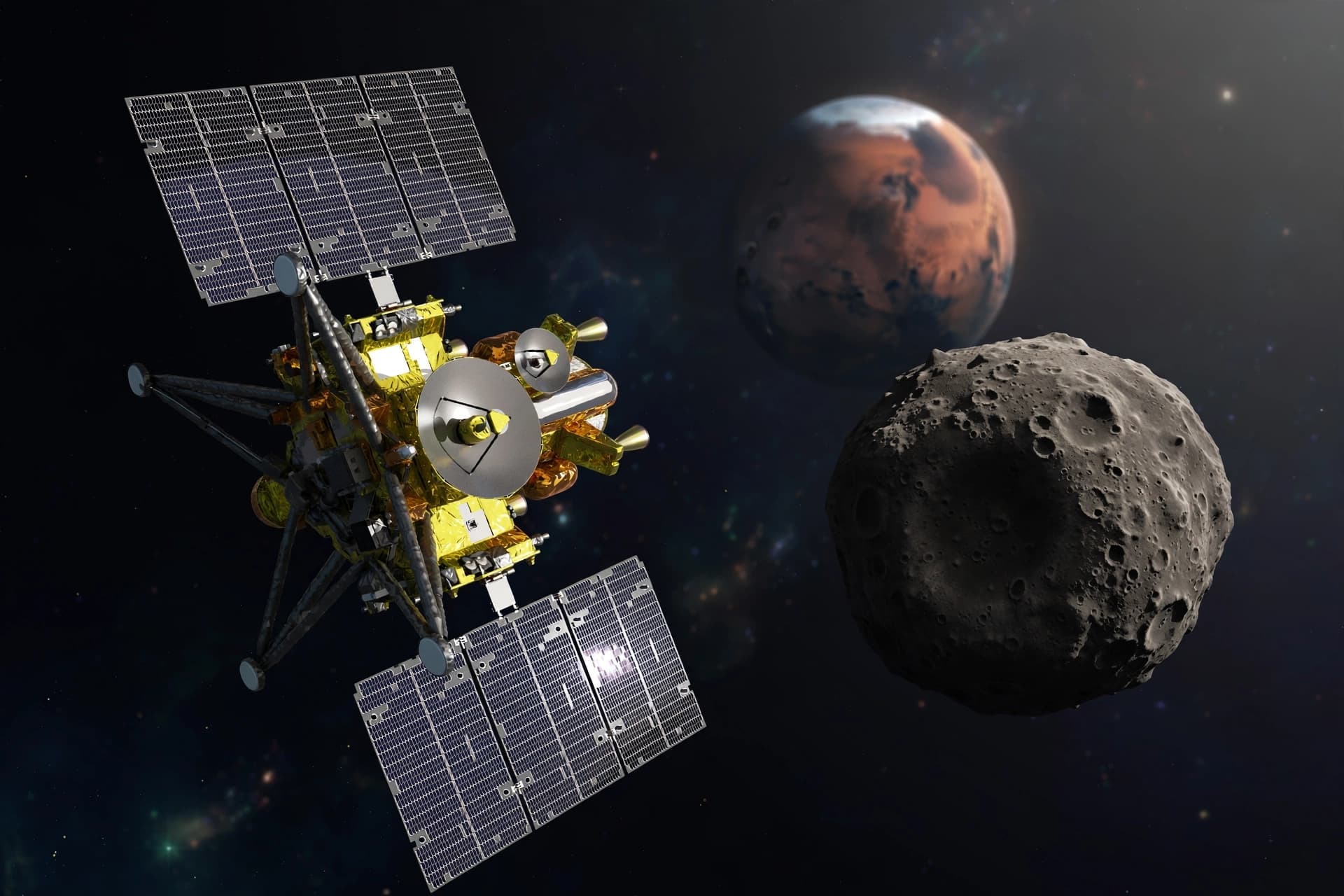
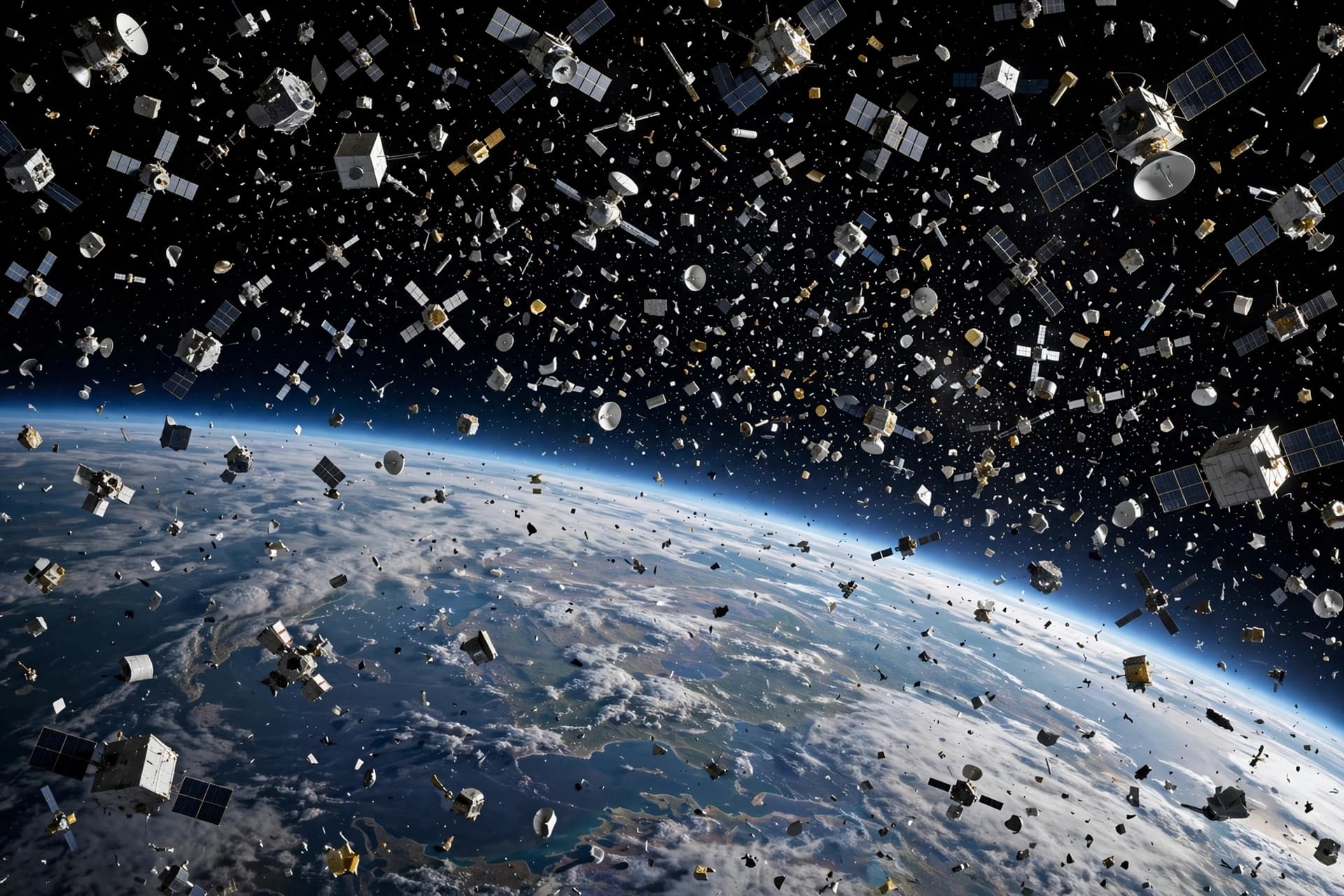
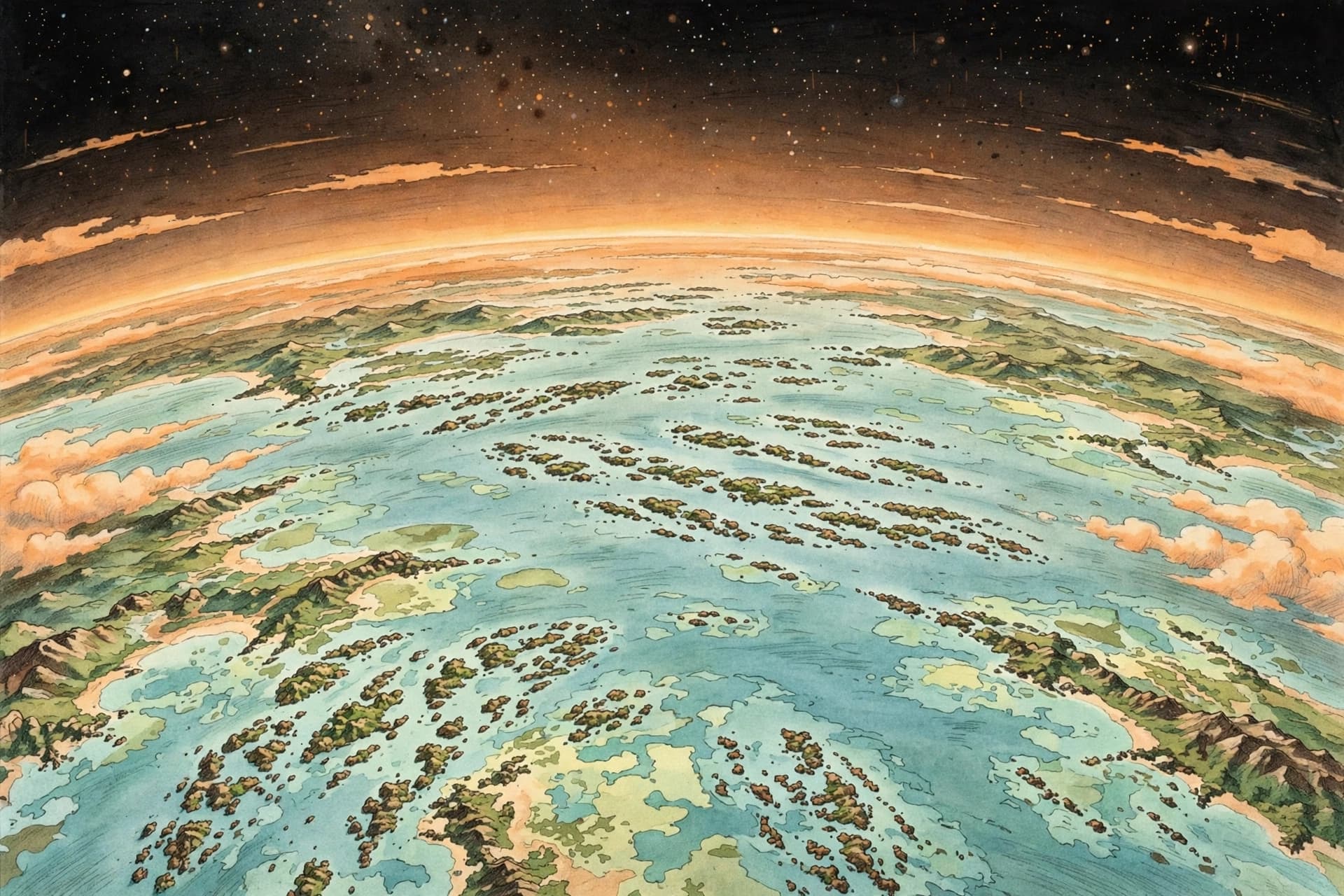
AI Image Disclaimer: Illustrations included in this article are AI-generated visual representations intended to support editorial storytelling.
Source Verification Check: Science News, Nature, Reuters, Science, MIT Technology Review
Published by Banx Network. This article is part of the Banx decentralized media programme, powered by the BXE token on the XRP Ledger.