For more than half a century, the Apollo missions remained symbols of humanity’s ability to move beyond earthly boundaries and step into the unknown. Since then, generations have grown up viewing the Moon not as a destination within reach, but as a distant reminder of an earlier era of exploration. Now, NASA is preparing to send humans farther from Earth than any crew has traveled since Apollo.
The Artemis II mission, scheduled as part of NASA’s broader lunar exploration program, will carry astronauts around the Moon in what officials describe as a critical step toward long-term deep space exploration. The mission represents the first crewed flight of NASA’s Orion spacecraft beyond low Earth orbit.
Unlike the Apollo missions, Artemis is designed not only as a symbolic return to lunar exploration but also as preparation for future missions involving sustained lunar presence and eventual human travel toward Mars. NASA officials view the Moon as an essential testing ground for long-duration space operations.
The Artemis II crew will conduct a lunar flyby rather than a landing, traveling hundreds of thousands of miles from Earth before returning home. The mission will test spacecraft systems, navigation technology, communication infrastructure, and astronaut performance during deep-space conditions.
NASA has partnered closely with international space agencies and private aerospace companies throughout the Artemis program. The mission reflects a broader shift toward global cooperation and commercial involvement within modern space exploration efforts.
Scientists and engineers involved in the project emphasize that deep-space missions involve extraordinary technical complexity. Radiation exposure, life-support reliability, communication delays, and spacecraft durability remain major challenges requiring extensive testing and preparation.
Public interest surrounding Artemis II has also revived wider cultural fascination with space exploration. For many observers, the mission represents not only scientific progress but also a symbolic reminder of humanity’s continuing desire to explore environments far beyond Earth.
The Artemis program additionally carries geopolitical significance as multiple nations accelerate lunar exploration initiatives. Governments increasingly view space technology as strategically important for scientific research, communications, and future economic development.
As Artemis II moves closer to launch, the mission stands at the intersection of memory and ambition. Decades after the Apollo era first carried humans toward the Moon, a new generation now prepares to travel once again into the vast darkness beyond Earth, guided by technologies far more advanced yet driven by the same enduring curiosity.
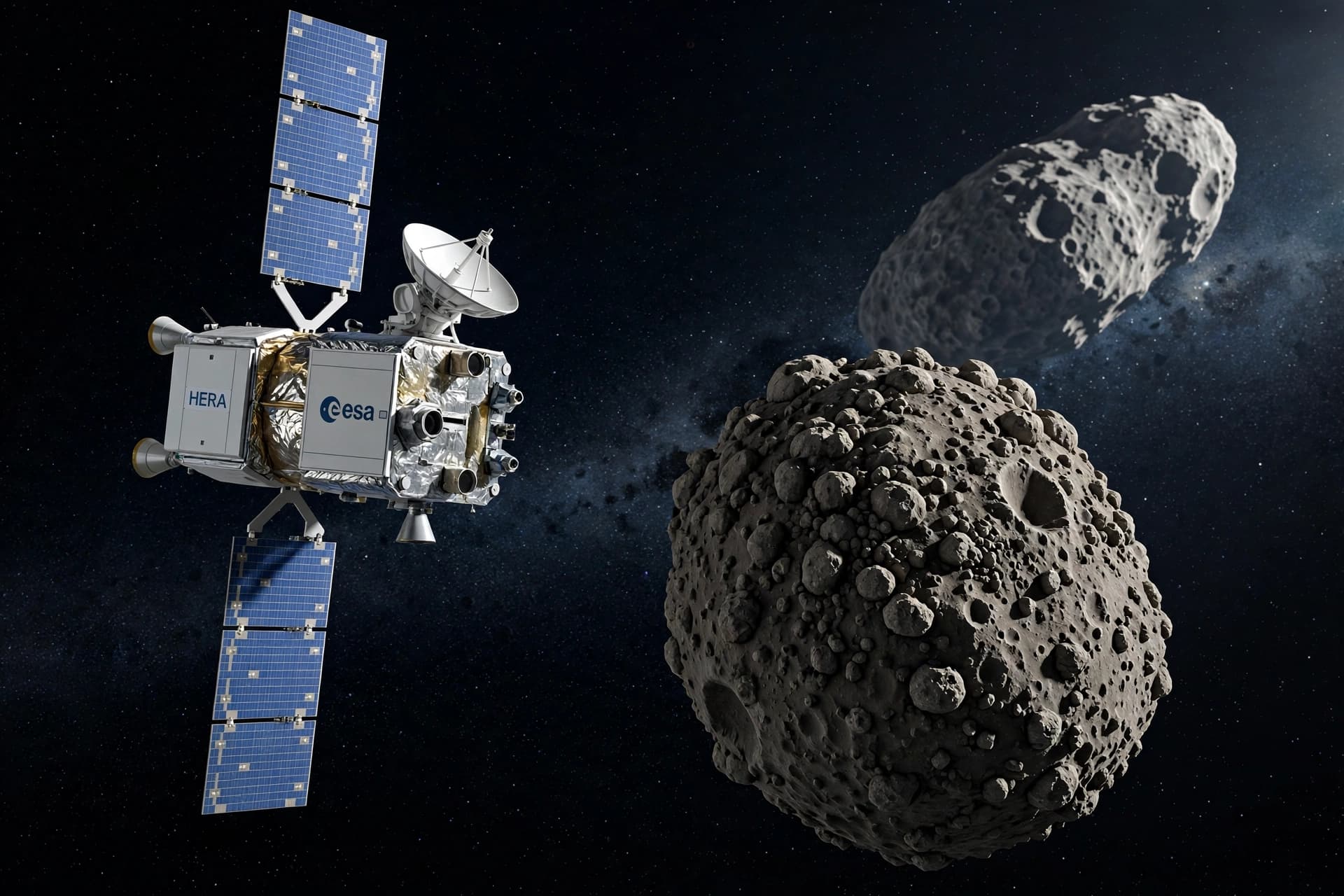
AI Image Disclaimer: Some visual materials accompanying this article were generated using AI-assisted imagery for scientific and editorial illustration.
Sources: NASA, Reuters, Space.com, BBC Science, Associated Press
Published by Banx Network. This article is part of the Banx decentralized media programme, powered by the BXE token on the XRP Ledger.