
Key Highlights
- Record Distance:Artemis II sets a new record for the farthest distance traveled by humans in space.
- Diverse Crew:The mission features a diverse team of astronauts testing human endurance.
- Future Missions:Artemis II prepares for sustained lunar missions and future Mars exploration.
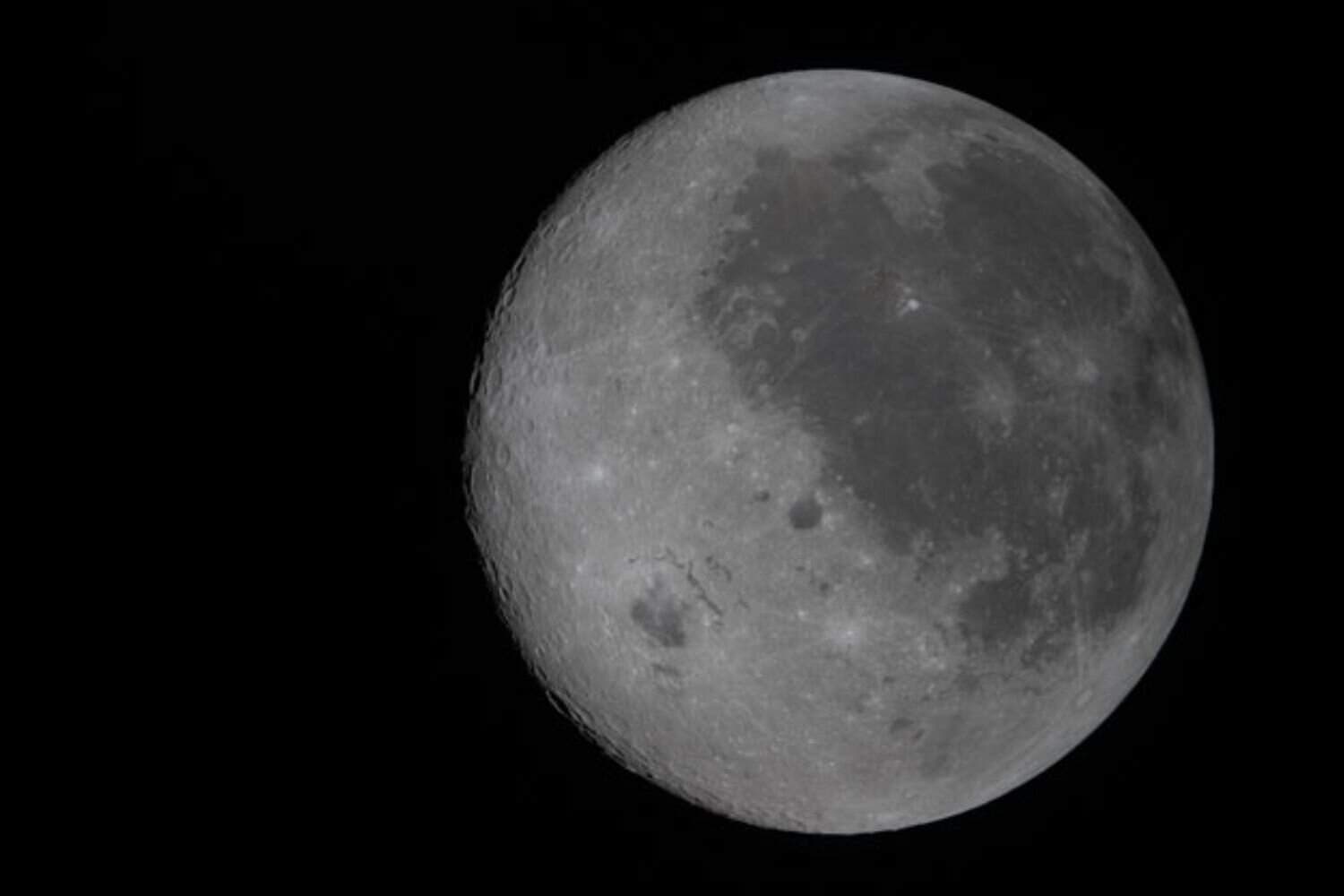
NASA's Artemis II mission has officially set a record for the farthest distance traveled by humans in space. This monumental achievement was realized as the spacecraft journeyed beyond the Moon, reaching a distance that eclipses previous human spaceflights. The mission marks a significant milestone in the Artemis program, which aims to return humans to the Moon and eventually send astronauts to Mars.
The Artemis II crew, comprising a diverse team of astronauts, embarked on this historic mission to not only test the limits of human endurance but also to pave the way for future lunar exploration. The crew includes experienced astronauts from various backgrounds, showcasing NASA's commitment to diversity and inclusion in space exploration. By pushing the boundaries of human travel, Artemis II aims to prepare for sustained missions to the Moon and eventually Mars, aligning with NASA's long-term vision for human spaceflight.
During the mission, the crew conducted a variety of scientific experiments and engaged in system checks necessary for longer missions. These experiments are crucial for understanding the effects of extended space travel on the human body and for testing new technologies that will be essential for future missions. The successful execution of these objectives proves vital for the upcoming Artemis III, which is slated to land humans on the Moon's surface, marking the first time astronauts will set foot on the lunar terrain since the Apollo missions.
This achievement highlights the advancements in space technology and international cooperation in space exploration. The Artemis program is not just a NASA initiative; it involves partnerships with international space agencies and private companies, fostering a collaborative approach to exploring the cosmos. As Artemis II breaks new ground, it reignites public interest and enthusiasm for the future of space travel, emphasizing humanity’s relentless quest to explore beyond our home planet.
With this new record, the Artemis program moves closer to its ultimate goal: establishing a long-term human presence on the Moon and setting the stage for future exploration of Mars. The mission's success is expected to inspire a new generation of scientists, engineers, and explorers, encouraging young people to pursue careers in STEM fields. As the world watches, the legacy of Artemis II will likely inspire the next generation to dream big and reach for the stars.
Published by Banx Network. This article is part of the Banx decentralized media programme, powered by the BXE token on the XRP Ledger.



