
Key Highlights
- Arrests:Eleven individuals detained in connection with the killing of a far-right activist.
- Political Implications:The case has drawn attention from lawmakers and raised concerns about political extremism.
- Ongoing Investigation:Authorities are examining potential links between political affiliations and the violence.
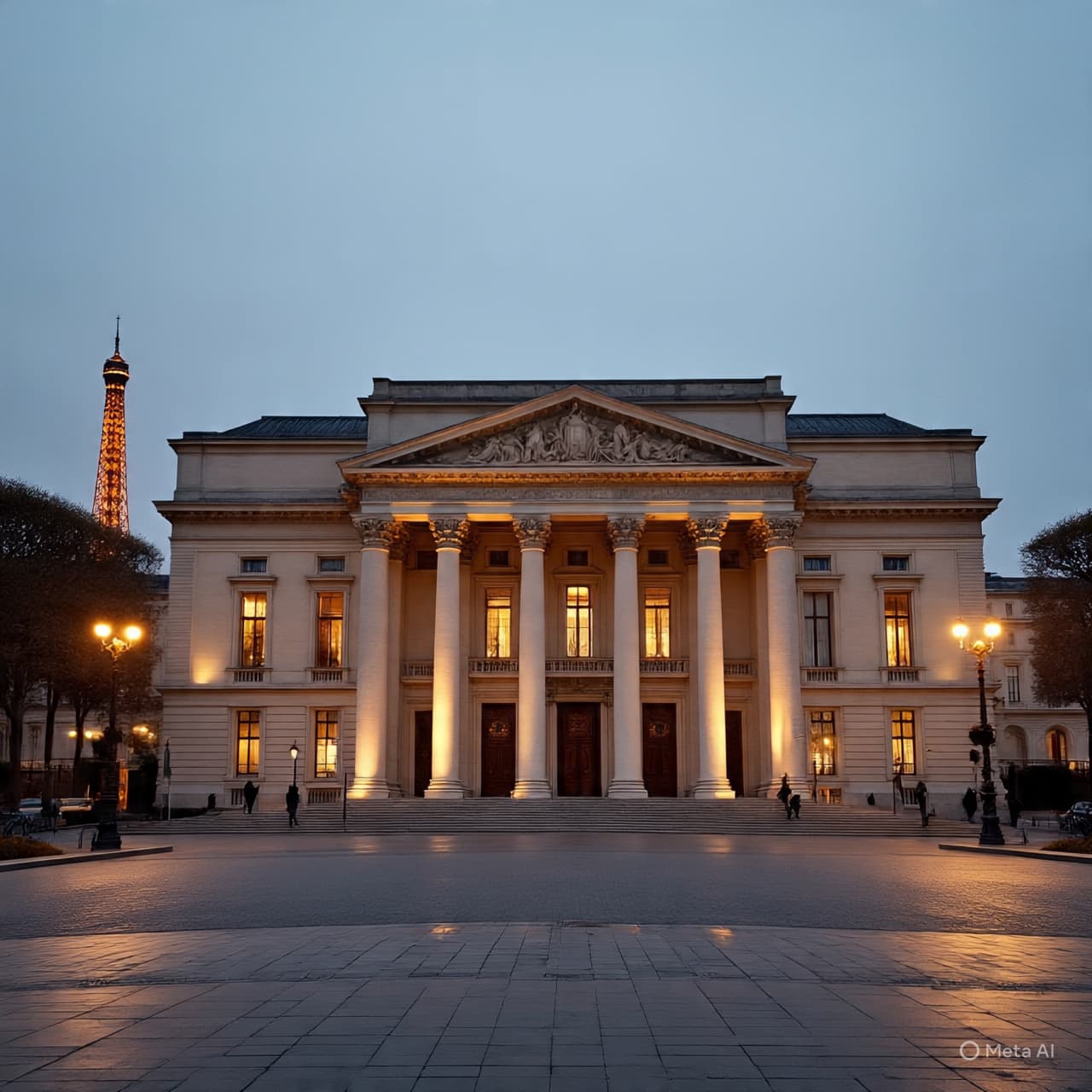
In the early light of a Paris morning, the city seemed suspended between routine and reckoning. Café chairs were being set out, traffic murmured along the boulevards, and yet beneath the familiar rhythm lay the aftershock of violence that had cut through France’s already fraught political landscape.
Among eleven people arrested in connection with the killing of a French far-right activist is a parliamentary aide, a development that has drawn the nation’s political class into a widening investigation. Authorities confirmed the arrests as part of a coordinated police operation, saying the suspects are being questioned over their alleged roles in the fatal attack.
The victim, identified by French media as a figure associated with far-right activism, was killed in an incident that prosecutors are treating as a targeted act. Details surrounding the confrontation remain under judicial scrutiny, but investigators have indicated that the inquiry is examining possible links between political affiliations and the violence that followed.
The inclusion of a parliamentary aide among those detained has added a layer of gravity to the case. While officials have not publicly detailed the aide’s alleged involvement, the arrest has prompted calls for transparency and due process from across the political spectrum. Lawmakers stressed that the presumption of innocence must be upheld, even as the investigation advances.
French prosecutors said the arrests were carried out to clarify individual responsibilities and to determine whether the killing was premeditated or the result of an escalating dispute. Legal representatives for some of the suspects have urged caution, noting that detention for questioning does not equate to formal charges.
The killing has reignited debate in France over political extremism and the tone of public discourse. In recent years, tensions between rival activist groups have flared periodically, particularly during protests and campaign seasons. The government has repeatedly warned of the risks posed by radicalized factions operating on the margins of mainstream politics.
As the judicial process unfolds, the case is likely to test both the resilience of France’s legal institutions and the temperature of its political climate. For now, the story rests in courtrooms and interrogation rooms rather than on campaign stages, though its implications may ripple outward in the months ahead.
By evening, the city’s lights once again traced the Seine in gold. Yet beneath the surface calm, the questions remain—about responsibility, about rhetoric, and about how a democracy absorbs shock without losing its balance.
Published by Banx Network. This article is part of the Banx decentralized media programme, powered by the BXE token on the XRP Ledger.



