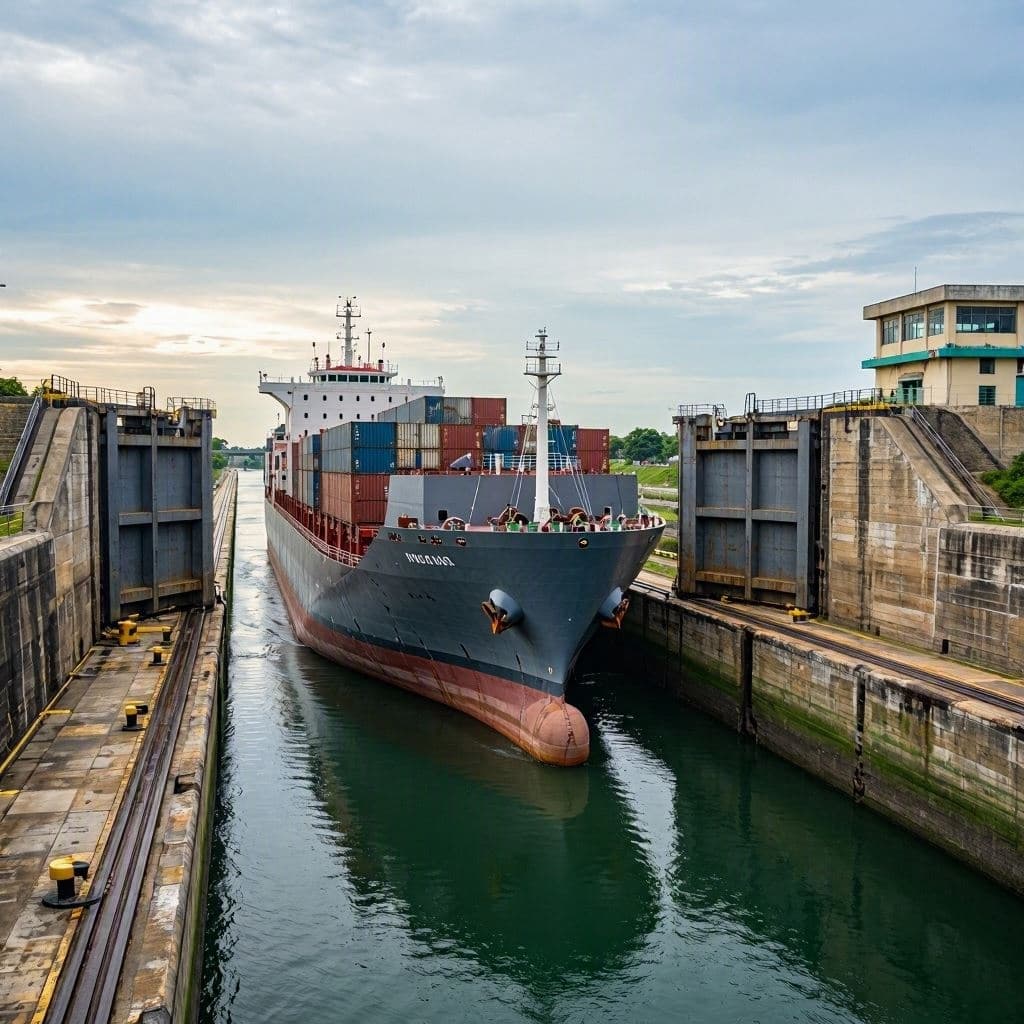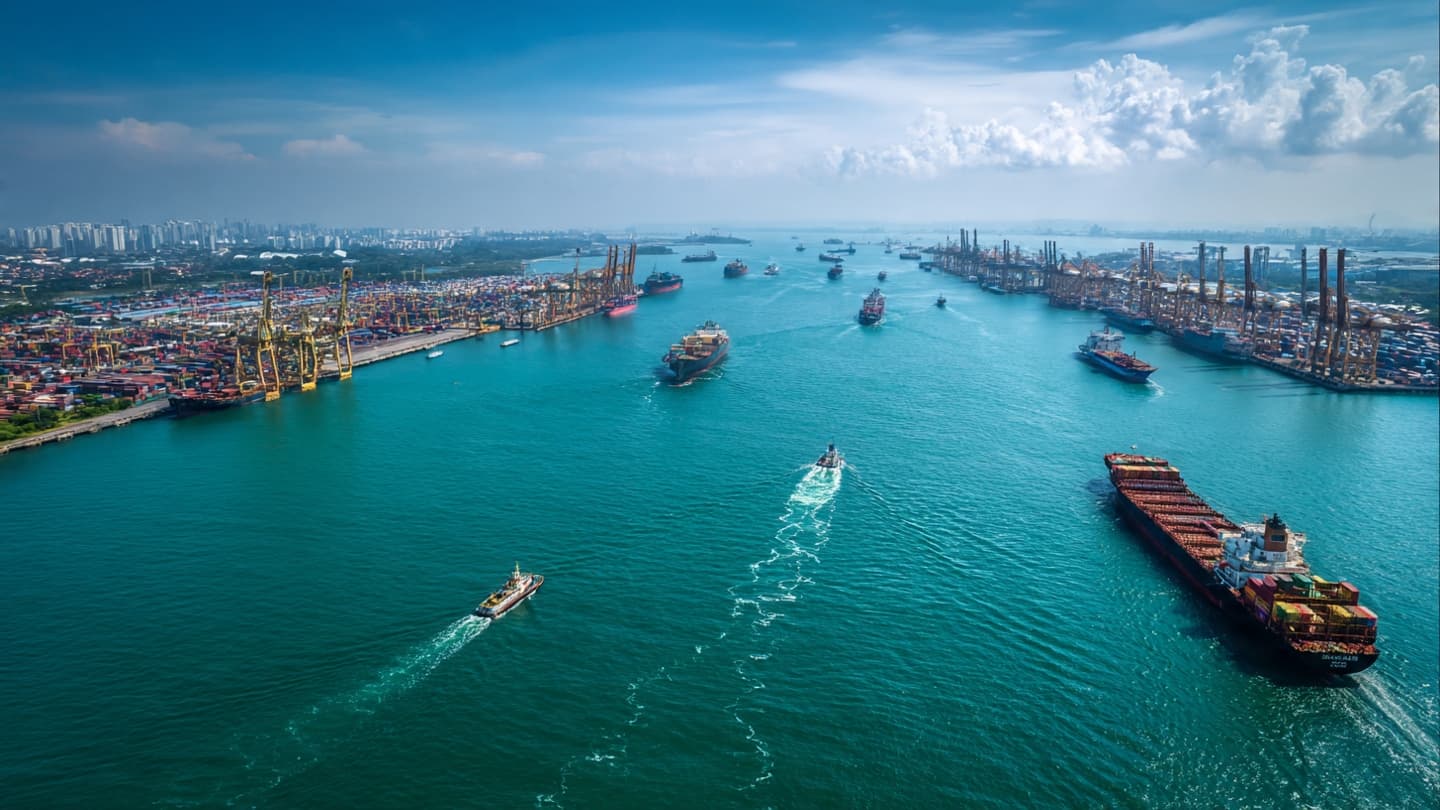
At Singapore's port, movement rarely stops. Ships arrive, cargo is transferred, fuel is supplied and vessels depart toward destinations across the world. But beneath that constant rhythm, the marine-fuel market has entered a more complicated period as supplies tighten and costs rise.
Singapore, the world's largest marine fuel bunkering hub, is facing pressure from tighter global fuel supplies. The development has increased costs for shipping companies and placed additional attention on how vessels obtain the fuel needed to continue their journeys.
Marine fuel is an essential part of international trade. Every container vessel, tanker and bulk carrier depends on reliable supplies to move between ports, meaning changes in fuel availability can quickly influence the economics of global shipping.
Singapore's importance makes the situation particularly significant. The port serves as a major refueling center for vessels traveling through some of the world's busiest maritime routes. When supplies become tighter, the impact can extend beyond Singapore itself and reach shipping companies operating across Asia and other regions.
Higher fuel costs can also affect the price of transporting goods. Shipping companies generally have to consider fuel expenses when calculating operating costs, and prolonged increases can eventually influence freight rates and the cost structure of international trade.
The current environment has encouraged shipping companies and fuel suppliers to pay closer attention to inventories and delivery schedules. Vessels need predictable access to fuel, particularly when routes become longer or when market conditions make alternative supplies more difficult to obtain.
Singapore's port infrastructure gives it an important advantage in this environment. Its extensive network of terminals, storage facilities, refueling services and maritime businesses allows it to remain one of the world's central shipping hubs even as market conditions change.
Yet the latest pressure demonstrates how interconnected maritime logistics have become. A disruption in one part of the global fuel system can travel through shipping routes, port operations and commodity markets, creating effects that may eventually be felt far away from the original source.
For Singapore, the challenge is one of maintaining reliability while the global shipping industry adjusts. The port's importance means that fuel availability is not simply a local concern; it is part of the larger infrastructure supporting international commerce.
As vessels continue to pass through Singapore's waters, the market will be watching fuel supplies closely. The ships may continue moving almost seamlessly across the horizon, but behind that movement lies a complex network of prices, inventories and supply routes that must remain balanced for global trade to keep flowing.
AI IMAGE DISCLAIMER:
These illustrations were generated using AI technology for conceptual purposes and should not be considered actual photographs of current shipping operations.
SOURCES:
Reuters
Published by Banx Network. This article is part of the Banx decentralized media programme, powered by the BXE token on the XRP Ledger.

.jpg&w=3840&q=75 "Land Rover Enters Competition to Build the Army’s Next 4x4")