

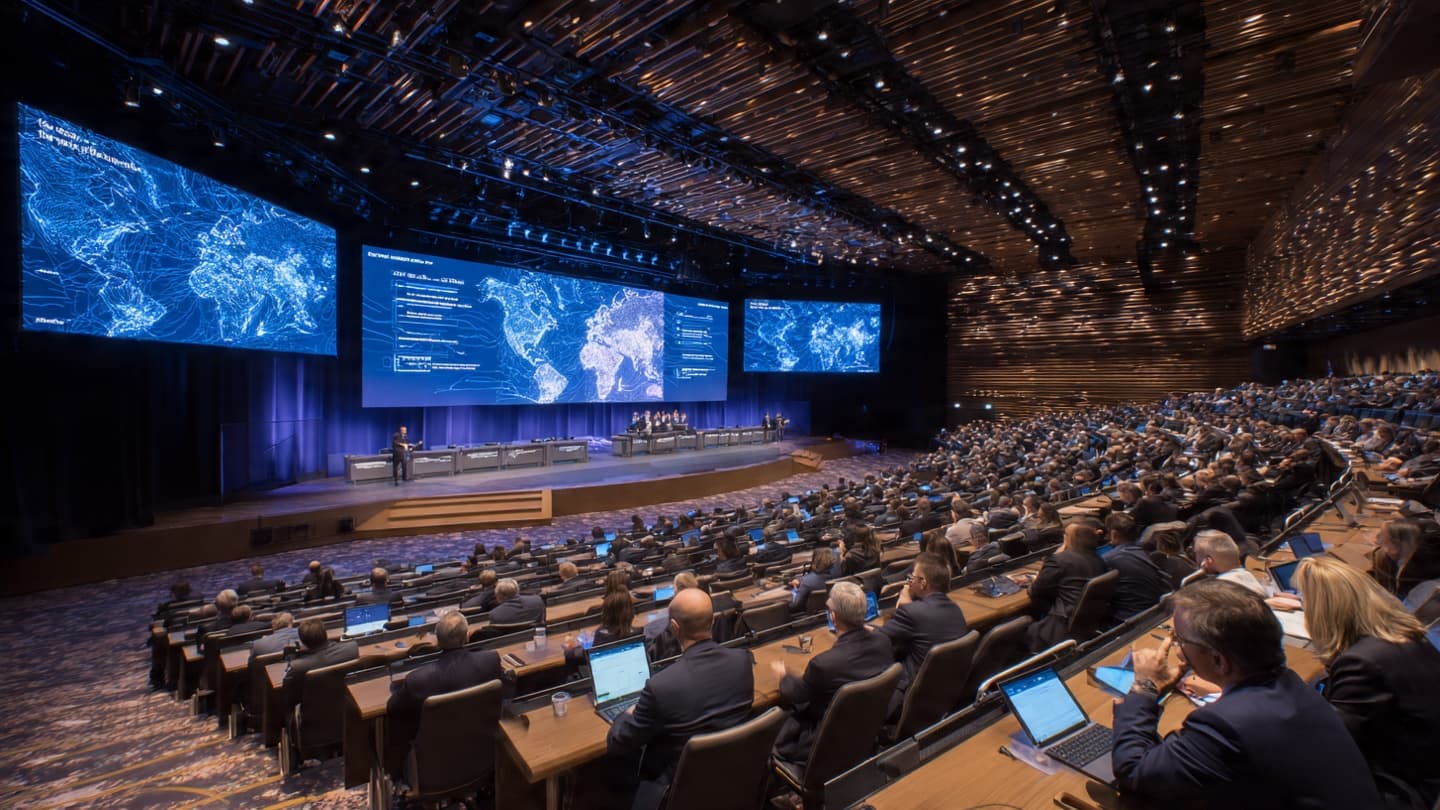
Key Highlights
- G7 Summit:Global leaders convened to discuss pressing international issues.
- Ukraine Conflict:Ongoing support for Ukraine remains a central focus.
- Energy Security:Strategies for reliable energy supplies were evaluated.
In a world increasingly shaped by interconnected challenges, international summits often resemble crossroads where many roads converge. The latest G7 summit, held in Hiroshima, Japan, brought together leaders from several of the world's largest advanced economies to address issues that extend far beyond national borders. This year's discussions were particularly urgent, reflecting the complex geopolitical landscape and the pressing need for collaborative solutions.
Support for Ukraine remained a central topic throughout the summit. Participating nations reviewed military, economic, and humanitarian assistance programs while considering additional measures aimed at maintaining international support for Kyiv. The ongoing war in Ukraine continues to influence global security, energy markets, and humanitarian efforts, making it a priority for leaders who recognize the need for a united front against aggression.
At the same time, leaders devoted considerable attention to developments in the Middle East. Recent diplomatic efforts involving regional powers and international stakeholders have created new opportunities for reducing tensions, though many challenges remain unresolved. The summit provided a platform for discussing potential pathways to peace and stability in a region marked by conflict and uncertainty.
Energy security also emerged as a key issue during the discussions. Governments continue to evaluate strategies for maintaining reliable supplies while advancing long-term energy transition goals. The relationship between geopolitical stability and energy markets remains particularly important for policymakers, especially in light of recent disruptions caused by the Ukraine conflict and other global events.
Economic resilience formed another major theme of the summit. Participants discussed inflation, trade dynamics, supply chain security, and emerging technologies that are reshaping global industries and labor markets. The interconnected nature of these issues underscores the importance of coordinated responses to economic challenges that affect nations worldwide.
Observers noted that the summit reflected the increasingly interconnected nature of modern policymaking. Decisions regarding security, economics, climate policy, and technology are rarely isolated, often influencing one another across regions and sectors. Although differences in approach occasionally surfaced, leaders emphasized the importance of continued cooperation. The ability to coordinate responses to complex international issues remains a defining feature of multilateral diplomacy.
As the summit concluded, member nations reaffirmed their commitment to ongoing dialogue. The discussions highlighted both the challenges facing the international community and the continuing role of diplomacy in addressing them. The G7 summit serves as a reminder of the necessity for collaboration in an era marked by uncertainty and rapid change, as leaders seek common ground to navigate the complexities of today's world.
Published by Banx Network. This article is part of the Banx decentralized media programme, powered by the BXE token on the XRP Ledger.




