
Key Highlights
- Deployment Date:The U.S. Army's 2nd Armored Brigade Combat Team begins preparations on May 4, 2026.
- Troop Withdrawal:Approximately 5,000 U.S. troops are set to be withdrawn from Germany.
- Strategic Focus:The brigade will enhance NATO's defenses in Eastern Europe, particularly in Poland.
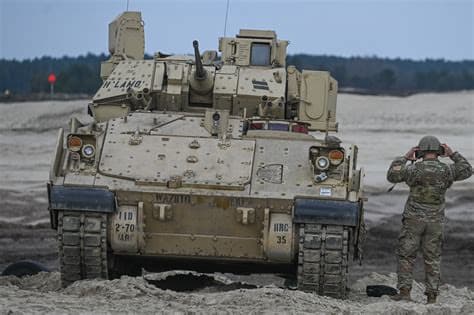
On May 4, 2026, the U.S. Army's 2nd Armored Brigade Combat Team, part of the 1st Cavalry Division, commenced preparations for a nine-month deployment to Europe. This deployment aligns with the Pentagon's recent announcement regarding the withdrawal of approximately 5,000 troops from Germany, indicating a significant shift in the U.S. military's posture in Europe.
The 2nd Armored Brigade, often referred to as the “Black Jack” brigade, comprises nearly 4,000 soldiers. Their mission is to bolster NATO's eastern defenses, particularly in Poland and other strategic locations along the border with Russia. Maj. Gen. Tom Feltey, the brigade's commander, emphasized the importance of this deployment, stating, "When an armored brigade combat team deploys forward, it sends a clear and unmistakable signal." This statement underscores the U.S. commitment to its NATO allies amid rising tensions in the region.
The decision to deploy the brigade comes in response to escalating concerns regarding Russian aggression in Eastern Europe. The U.S. military aims to reassure its allies of their security, coordinating closely with forces in Poland and the Baltic states to enhance military readiness. Current operations include joint exercises and strategic planning to ensure a robust defense posture against potential threats.
However, the announcement of troop withdrawals has raised concerns among U.S. lawmakers and military analysts. Senator Roger Wicker and Representative Mike Rogers, both Republican leaders on military committees, have voiced apprehensions that reducing troop levels could weaken deterrence against Russian threats. Their concerns reflect a broader debate about the implications of U.S. military presence in Europe and its impact on regional security.
Germany's Defense Minister, Boris Pistorius, has acknowledged the necessity for European nations to enhance their own security capabilities. He stressed that Germany and its allies must take on greater responsibility for their defense, particularly in light of the changing geopolitical landscape. Recent initiatives include increasing military funding and fostering cooperative defense strategies among NATO allies to address these challenges.
As the 2nd Cavalry Regiment, currently stationed in Germany, participates in ongoing training exercises across the region, uncertainty looms regarding their future relocation if the U.S. proceeds with its withdrawal plan. The discussions surrounding troop reductions continue, with critics arguing that such moves could embolden adversaries like Russia, potentially destabilizing the region further.
As the situation evolves, both U.S. officials and European leaders will closely monitor military readiness and alliances, striving for stability amid shifting geopolitical tides. The deployment of the 2nd Armored Brigade is a critical component of this strategy, reinforcing the U.S. commitment to NATO and the defense of Europe.
Published by Banx Network. This article is part of the Banx decentralized media programme, powered by the BXE token on the XRP Ledger.



