
Key Highlights
- Switzerland's army is exploring the revival of disused bunkers.
- The initiative is in response to escalating geopolitical tensions in Europe.
- Modernization efforts aim to integrate contemporary weapon systems into existing structures.
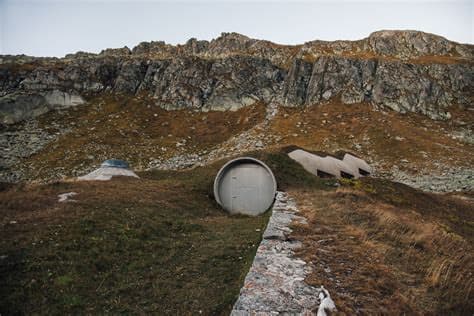
Switzerland’s armed forces are currently evaluating the potential to reactivate parts of its extensive network of dormant bunkers as the security landscape in Europe becomes increasingly precarious. Reports based on Swiss defense procurement notices indicate that the army is considering modern roles for these former wartime fortifications, particularly focusing on older mortar and mine-launcher sites that have remained inactive since the 1990s.
The Swiss military's strategy involves updating the existing infrastructure with contemporary weapon systems while preserving much of the original bunker structure. This approach is designed to facilitate rapid operational readiness with minimal staffing requirements. By leveraging existing facilities, the army aims to enhance its defensive capabilities without the extensive costs associated with building new installations from scratch.
The decision to explore the reactivation of these bunkers comes amid rising tensions in Europe, particularly in light of recent conflicts and military posturing among neighboring nations. As countries reassess their defense strategies, Switzerland's proactive measures reflect a broader trend of militarization and preparedness across the continent. The Swiss government has historically maintained a policy of neutrality, but the changing geopolitical climate is prompting a reevaluation of its defense posture.
In addition to the physical upgrades, the Swiss army is also seeking collaboration with technology firms and researchers to innovate and adapt these bunkers for modern warfare. This initiative aims to ensure that the facilities can support advanced military operations, including cyber defense and drone warfare, which have become increasingly relevant in contemporary conflicts.
The revival of these bunkers is not merely a logistical consideration but also a symbolic one. It underscores Switzerland's commitment to maintaining its sovereignty and security in an uncertain world. As the army moves forward with its plans, it will likely face scrutiny from both domestic and international observers regarding the implications of reactivating such military infrastructure.
Overall, the Swiss army's consideration of its disused bunkers is a significant development in the context of European security. It highlights the need for nations to adapt their defense strategies in response to evolving threats and underscores the importance of preparedness in an era marked by uncertainty and rapid change.
Published by Banx Network. This article is part of the Banx decentralized media programme, powered by the BXE token on the XRP Ledger.



