

Key Highlights
- Economic Impact:Europe's rivers are drying up, leading to increased transport costs and supply chain disruptions.
- Energy Crisis:Hydroelectric power generation is declining due to low water levels, straining national grids.
- Agricultural Struggles:Farmers face irrigation challenges, resulting in lower yields and higher food prices.
[The Economic Impact of Drying Rivers]
Rivers are the lifeblood of Europe’s economy, carrying goods, generating power, and cooling industrial plants. However, as severe drought grips the continent, these vital arteries are running dry, exposing the fragility of a system built on abundant water. From the Rhine to the Danube, receding levels have forced governments and businesses to take drastic measures to keep economies afloat. This situation is more than an environmental concern; it is an economic crisis that threatens energy security, supply chains, and livelihoods. It serves as a stark lesson in how climate change can disrupt the very foundations of modern society.
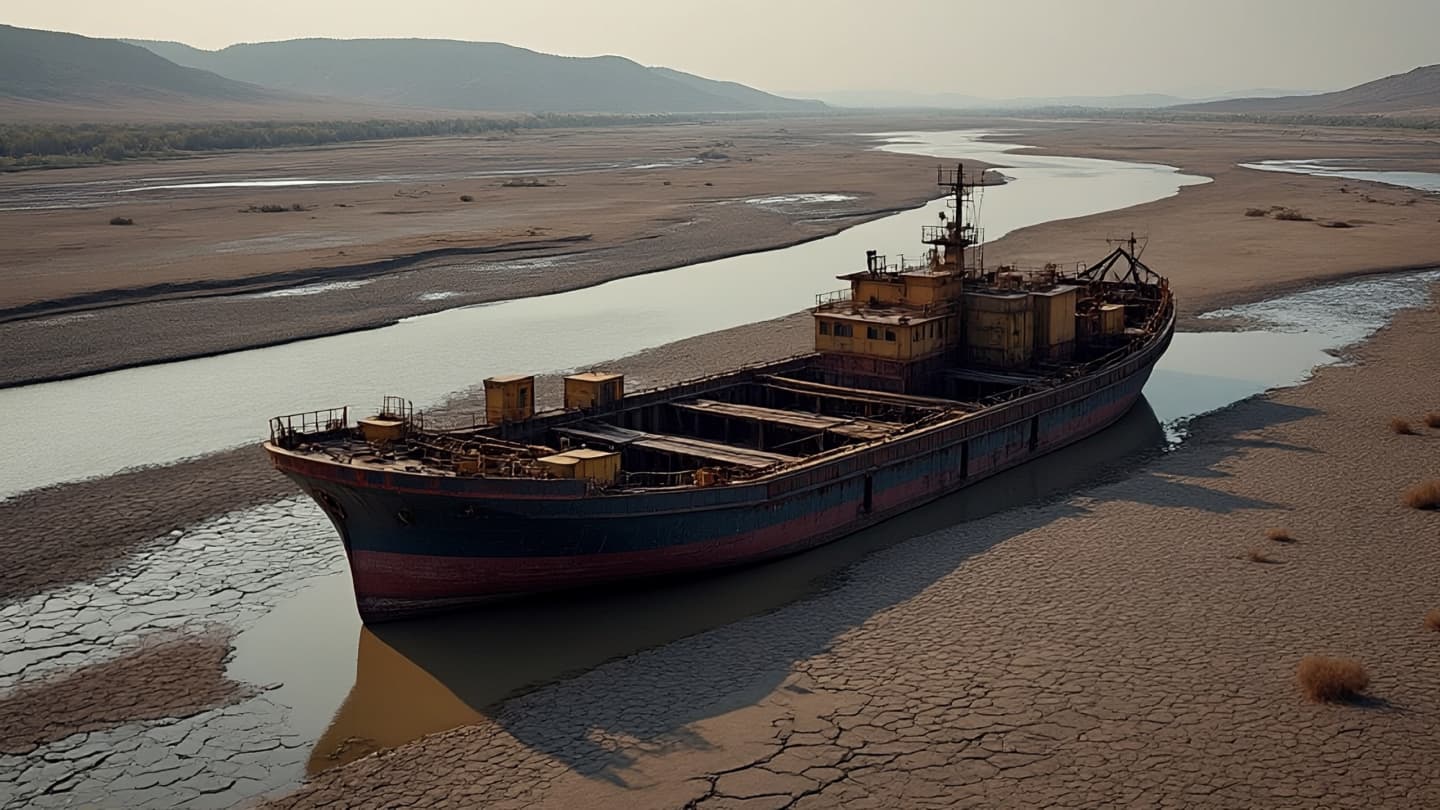
The Rhine, one of Europe’s busiest waterways, has dropped to critically low levels, restricting the cargo capacity of barges. Companies that rely on cheap river transport for coal, grain, and chemicals are facing higher costs and delays. Some shipments have been suspended entirely, forcing a shift to more expensive rail and road transport. This bottleneck ripples through the supply chain, affecting prices and availability of goods across the continent. The economic ramifications are profound, as industries grapple with the increased costs of logistics and the potential for inflation.
[Energy Generation Challenges]
Hydroelectric power generation has also suffered due to the drought. In countries like Norway, France, and Italy, reduced water flow means less electricity production. This shortfall comes at a time when energy demand is high, exacerbating the pressure on national grids. Nuclear power plants, which require large amounts of water for cooling, have had to reduce output or shut down temporarily to comply with environmental regulations that protect river ecosystems from overheating. The energy crisis is compounded by rising prices and the need for alternative energy sources, prompting governments to seek immediate solutions.
[Agricultural Struggles]
Agriculture is another sector hit hard by the drought. Farmers in Spain, Italy, and Germany are struggling to irrigate crops, leading to lower yields and higher food prices. Livestock owners face shortages of feed and water, forcing difficult decisions about herd sizes. The rural economy, already under stress, is feeling the pinch of a changing climate. As crop failures become more common, the long-term sustainability of food production in Europe is called into question, raising concerns about food security.
[Government Responses]
Governments are responding with emergency measures, including water rationing, subsidies for affected industries, and investments in alternative energy sources. However, these are short-term fixes. Long-term solutions require a fundamental rethink of water management, infrastructure resilience, and energy diversity. The crisis highlights the need for sustainable practices that can withstand extreme weather. Policymakers are urged to prioritize investments in technology and infrastructure that promote water conservation and efficient energy use.
[Social and Cultural Impacts]
The social impact is also significant. Communities dependent on river tourism and recreation are seeing a decline in visitors. Fish populations are threatened by low oxygen levels and high temperatures. The cultural connection to these rivers is deep, and their degradation is felt personally by many Europeans. As the rivers dry up, the loss of biodiversity and recreational opportunities poses a threat to the cultural heritage tied to these waterways.
Europe’s drying rivers are a warning sign of broader climatic shifts. As economic and energy pains mount, the continent must adapt to a new reality. Investment in resilience and sustainability is no longer optional but essential for future stability. The need for a coordinated response across nations is critical to address the multifaceted challenges posed by climate change.
Published by Banx Network. This article is part of the Banx decentralized media programme, powered by the BXE token on the XRP Ledger.




