
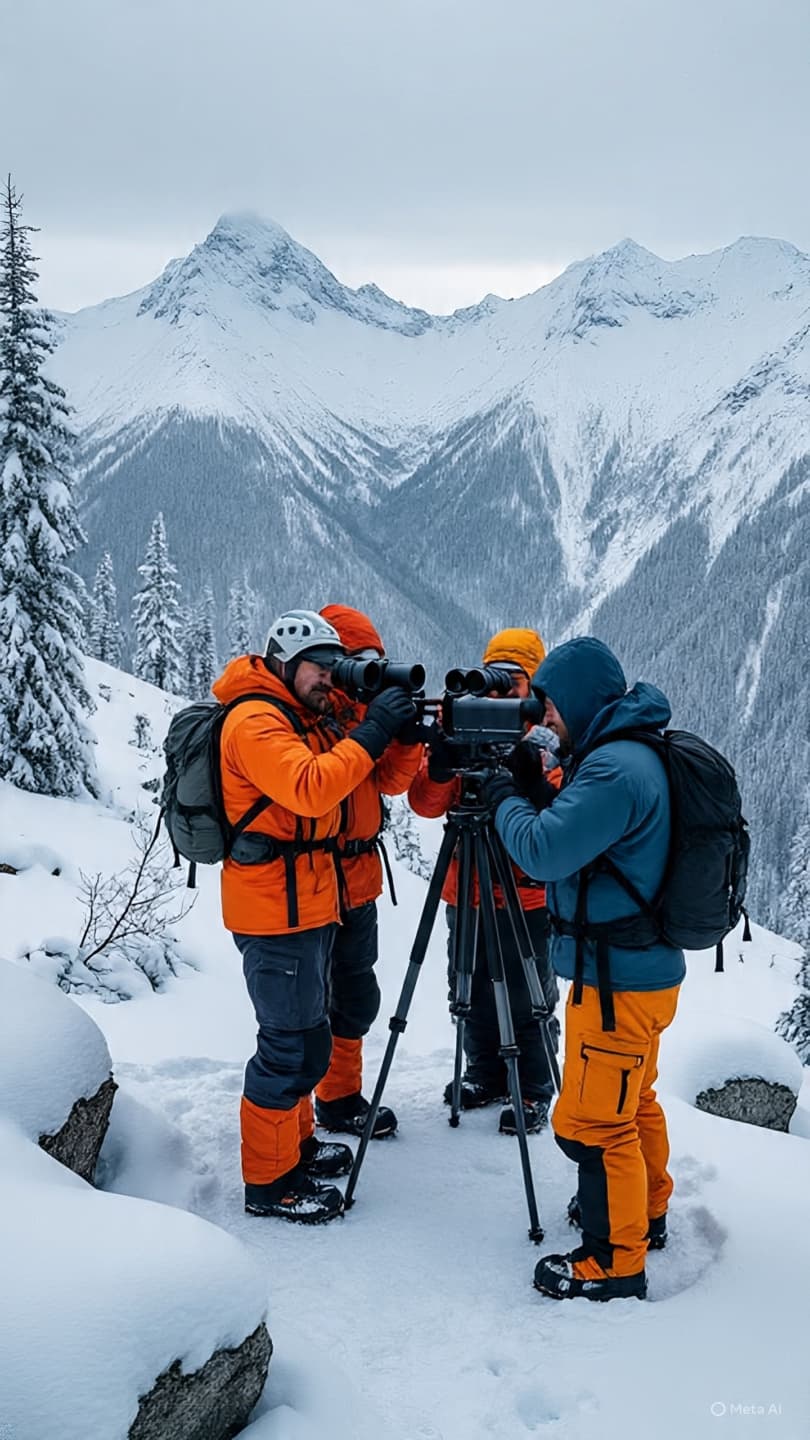
Key Highlights
- Increased Avalanche Risks:The Swiss Alps are facing heightened avalanche risks due to climate change and unstable snow layers.
- Monitoring Efforts:The Swiss Avalanche Institute is closely monitoring conditions to ensure safety for communities and visitors.
- Impact on Tourism:Skiing and hiking regions are adapting to rapidly changing weather patterns, emphasizing safety and preparedness.
The Swiss Alps, renowned for their breathtaking beauty and stability, are increasingly becoming a focal point of concern as climate change alters their landscape. Recent observations indicate that the region is experiencing a rise in avalanche risks, particularly during periods of rapid temperature fluctuations following heavy snowfall. This phenomenon has prompted the Swiss Avalanche Institute (SLF) to issue warnings about unstable snow layers in various mountainous zones, raising alarms about the potential for sudden snow movements.
As temperatures rise and weather patterns shift, the implications for local communities and visitors are significant. The SLF has reported that these changes not only threaten the safety of those engaging in winter sports but also impact travel routes that are vital for accessing remote alpine areas. Ski resorts and hiking trails, which rely heavily on predictable weather conditions, are now under closer scrutiny as conditions can shift dramatically without warning.
Local authorities are taking proactive measures to address these challenges. Enhanced monitoring systems and advanced forecasting technologies are being employed to provide timely updates on avalanche risks. However, despite these advancements, the unpredictable nature of the mountains means that safety protocols must be continually adapted. Authorities emphasize the importance of awareness and preparedness, urging both locals and tourists to respect the mountain environment and remain vigilant.
The evolving relationship between human activity and natural forces in the Swiss Alps highlights a broader narrative of adaptation. As climate change continues to reshape the landscape, the region's winter environment serves as a reminder of the delicate balance between beauty and danger. Communities are learning to navigate these changes, fostering a culture of respect for the mountains that have long been a source of inspiration and adventure.
In conclusion, the Swiss Alps are not just a picturesque backdrop; they are a dynamic environment that requires constant attention and adaptation. As the effects of climate change become more pronounced, the region's inhabitants and visitors alike must remain informed and prepared to face the challenges that lie ahead.
Published by Banx Network. This article is part of the Banx decentralized media programme, powered by the BXE token on the XRP Ledger.



