

Key Highlights
- New Pricing Regulations:New Brunswick shifts to tax-exclusive pricing for alcohol.
- Consumer Impact:Changes aim to reduce confusion at checkout.
- Retail Standardization:The move aligns pricing practices across Canada.
New Brunswick is implementing a significant change in how alcohol prices are displayed, moving away from tax-inclusive pricing to a tax-exclusive model. This adjustment is designed to standardize pricing across various retail environments, potentially easing confusion for consumers who often compare prices in-store with those from other regions. The decision reflects a growing trend towards transparency and clarity in retail pricing, particularly in the alcohol sector.
Historically, tax-inclusive pricing provided consumers with a straightforward understanding of the total cost at the point of sale. Shoppers could see the price they would pay without needing to calculate additional taxes. However, the new approach requires customers to mentally adjust to seeing the base price first, with taxes added later during the checkout process. This shift may require some consumers to recalibrate their budgeting strategies, as they adapt to a pricing model that is less immediate in its total cost presentation.
Supporters of the new pricing strategy argue that it will create consistency across product categories and retail sectors. In provinces where tax-inclusive pricing is less common, consumers are already accustomed to seeing the base price followed by additional charges. This change may help align New Brunswick's pricing practices with those of other provinces, making it easier for consumers to navigate their shopping experiences.
Critics, however, express concern that the lack of immediate visibility of total costs could complicate budgeting for everyday shoppers. When the total price is not readily apparent, it may lead to confusion and frustration at the checkout counter. Many consumers rely on clear upfront pricing to make informed purchasing decisions, and any deviation from this norm could impact their shopping habits.
As the retail landscape continues to evolve, the emphasis on transparency and simplicity in pricing is becoming increasingly important. With the rise of digital price comparison tools and mobile apps, consumers are now more equipped than ever to seek out the best deals. This shift in pricing display may be part of a larger trend where shelf pricing is just one element of a more complex informational ecosystem that consumers navigate.
The change in labeling practices may seem subtle, but it represents a significant step towards balancing clarity and standardization in retail communication. Over time, consumers are likely to adapt to these new pricing structures, just as they have with previous changes in how prices are presented. As New Brunswick moves forward with this initiative, it will be interesting to observe how it affects consumer behavior and retail practices in the province.
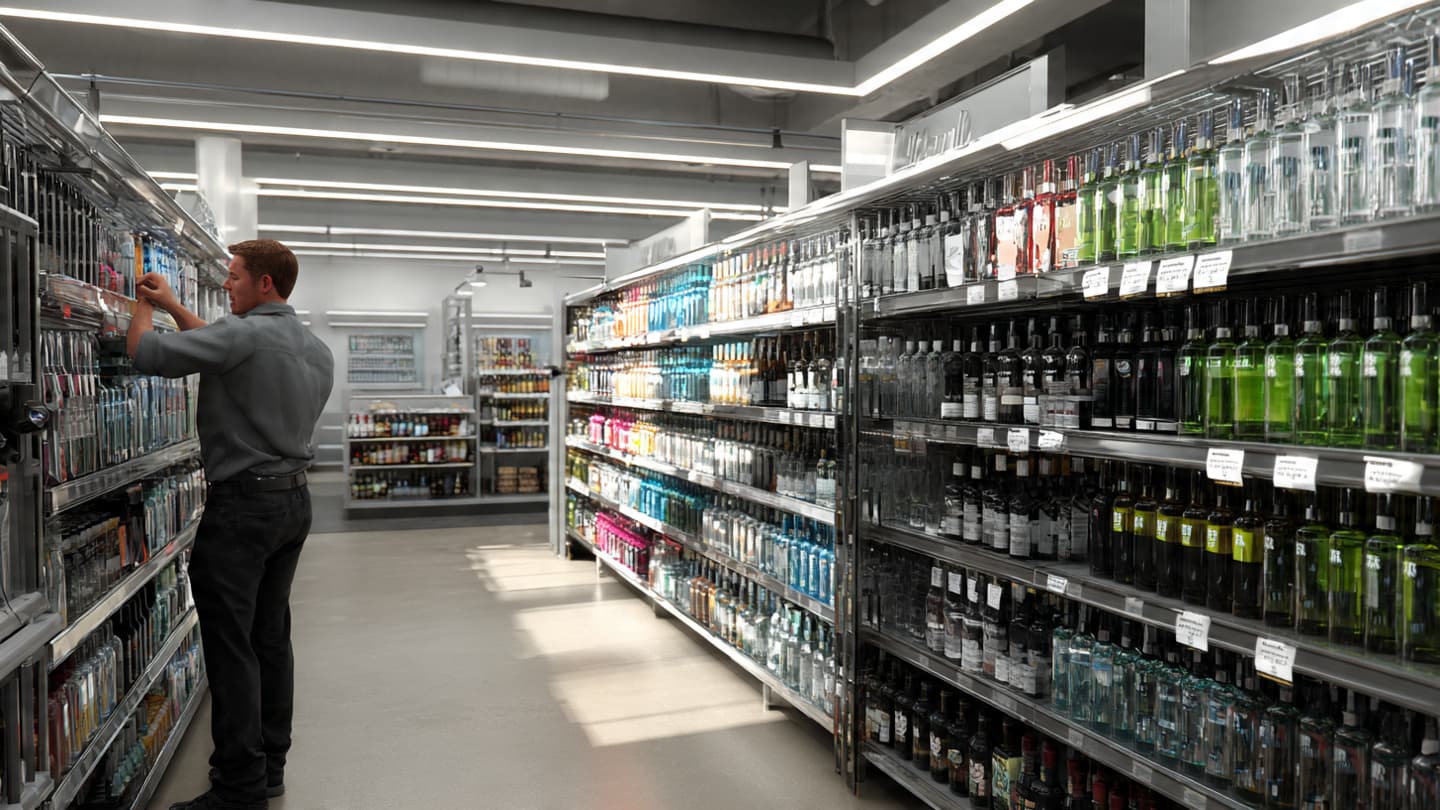
AI Image Disclaimer: Images accompanying this article may be AI-generated for illustrative purposes and do not represent real-time photography of the events described.
Published by Banx Network. This article is part of the Banx decentralized media programme, powered by the BXE token on the XRP Ledger.




