There is a quiet hour in the life of every technology enthusiast when anticipation hums like a distant tide — a sense that something new is on the horizon, that tomorrow’s advancements draw closer with each tick of the clock. For many gamers, this rhythm is tethered to fresh graphics chips, the silicon heartbeats that give life to virtual worlds. Yet this year, the horizon seems unusually still, as if the sea of innovation has paused to listen.
Nvidia, an icon in the realm of graphics and gaming silicon, has signaled that the arrival of its next gaming GPU may not come in 2026 as expected. According to reports from people familiar with the matter, the company is delaying the launch of its new gaming chip — a rare departure from a tradition that has seen a yearly refresh of Nvidia’s gaming lineup for decades. The cause, it seems, traces back to a global memory chip shortage driven by surging demand for artificial intelligence infrastructure, which has limited the availability of critical components that graphics cards rely on.
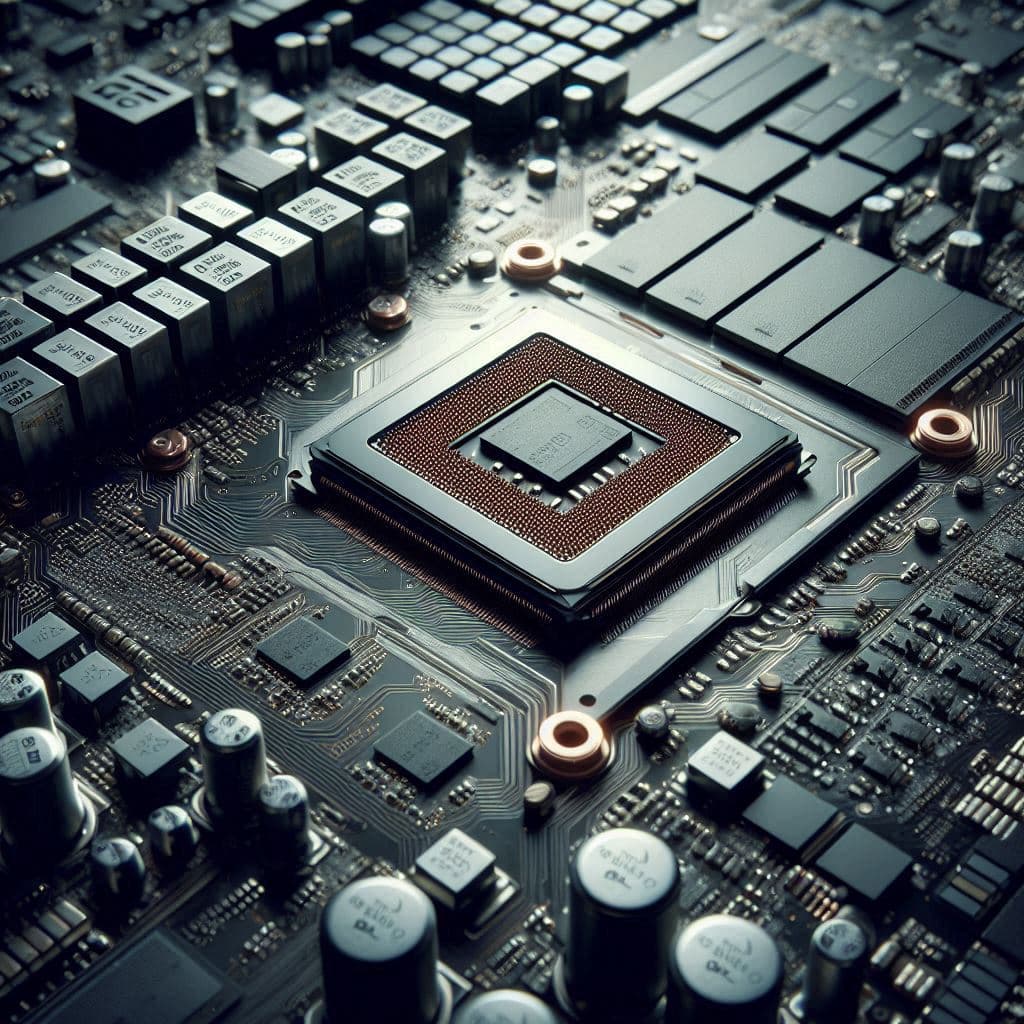
In the delicate choreography of semiconductor supply chains, memory chips play a pivotal role. They act as both the short-term workspace and storage reservoir for GPUs, enabling breathtaking graphics and smooth performance in games and creative applications alike. But with cloud computing and AI workloads gobbling up memory modules for data centers, the pool of available memory has tightened, and Nvidia is reportedly prioritizing those limited supplies where they yield the most strategic impact: in AI accelerators.
This shift has led to expected reductions in production of current gaming GPUs, including the GeForce RTX 50 series, as the company allocates scarce chips to other parts of its business and supply chain. Reporters note that this would mark the first calendar year since the early 1990s that Nvidia does not release a new gaming GPU — signaling both how serious the supply issue has become and how Nvidia’s priorities have evolved.
For gamers and PC builders, the implications may ripple outward. Reduced availability could lead to higher prices and longer wait times for the latest GPUs, as retailers grapple with limited inventory. At the same time, shortages of memory chips are not confined to Nvidia products alone; they reflect a broader stress across the semiconductor ecosystem that has affected components from DRAM to high-bandwidth memory used in both consumer and enterprise applications.
Industry watchers see this as part of a larger narrative: one where the explosive growth of AI workloads has reshaped priorities across tech, drawing resources away from traditional consumer markets toward data-center scale computing. In this sense, the delay becomes not simply a corporate decision but a symptom of deeper shifts in how technology is built, distributed, and used across global markets.
Even as this news settles among gaming communities and supply-chain analysts alike, Nvidia continues to ship existing products and work with suppliers to ease bottlenecks where possible. What remains clear is that 2026 will be remembered — not for the arrival of a new GPU flagship — but for a moment when memory scarcity cast a shadow over the industry’s usual rhythms.
AI Image Disclaimer (Rotated) “Illustrations were produced with AI and serve as conceptual depictions.”
sources covering this topic:
The Information (exclusive report) GameSpot The Verge TipRanks News Breaking The News
Published by Banx Network. This article is part of the Banx decentralized media programme, powered by the BXE token on the XRP Ledger.