When the plans were laid out, the ambition was vast — a railway snaking through rich soil, carrying the metals of a future economy toward the ports of a changing world. The tentative lines on a map promised connection: from the heart of southern Congo’s mining belts to the Atlantic shores of Angola. A corridor of copper, cobalt, and other minerals essential to batteries and clean-energy dreams. Yet beneath that promise lies a quieter tremor, unsettling long-established lives and communities.
In a recent investigation by Global Witness, the proposed Lobito Corridor — backed by the European Union and the United States as part of a broader push to secure “critical minerals” — is cast under a harsh light. The analysis warns that up to 6,500 people may be displaced along the railway route between the mining city Kolwezi and the Angolan border.
The plan involves rehabilitating a colonial-era railway line — part of the old Benguela railway — and extending it across borders. For many residents of Kolwezi, especially those settled informally along disused tracks and buffer zones, the corridors of “progress” may translate into lost roofs, demolished buildings, disrupted livelihoods. Global Witness estimates that some 1,200 structures — homes, small businesses — might be demolished to clear space for railway expansion.
Supporters of the project argue that it could open new economic opportunities. For the West, that's access to critical minerals like cobalt and copper — essential for batteries, electric vehicles, and the renewable-energy transition. For the DRC, proponents say, foreign investment and infrastructure could bring long-term benefits.
Yet critics and local advocates warn that the human cost must not be dismissed. Many of these communities have existed for decades, building lives even when land ownership remained informal; to them, buffer zones and legal definitions may feel like sudden, alien rules that erase their presence. Under national law, displaced people might receive little or no compensation; only if “international standards” are upheld could there be real protections — but those standards may be weakened under proposed revisions to EU due-diligence law.
There is also a deeper tension: the very minerals projected as green-tech enablers are being extracted in a context of social vulnerability — uneven governance, ambiguous property status, and a population already bearing the burdens of instability. The infrastructure now symbolizes supply-chain security for the West; for those on the ground, it threatens home and community cohesion.
As the project moves forward — with feasibility studies and environmental-social assessments slated for 2026 — the coming months may decide more than rail alignments. They may decide whether the Lobito Corridor becomes a bridge to progress, or a fault line of displacement and loss.
In the end, these corridors aren’t just lines on a map. They are the resting places of memories, livelihoods, and futures for ordinary people in Kolwezi — and whether their voices are heard may determine what kind of “progress” this corridor really brings.
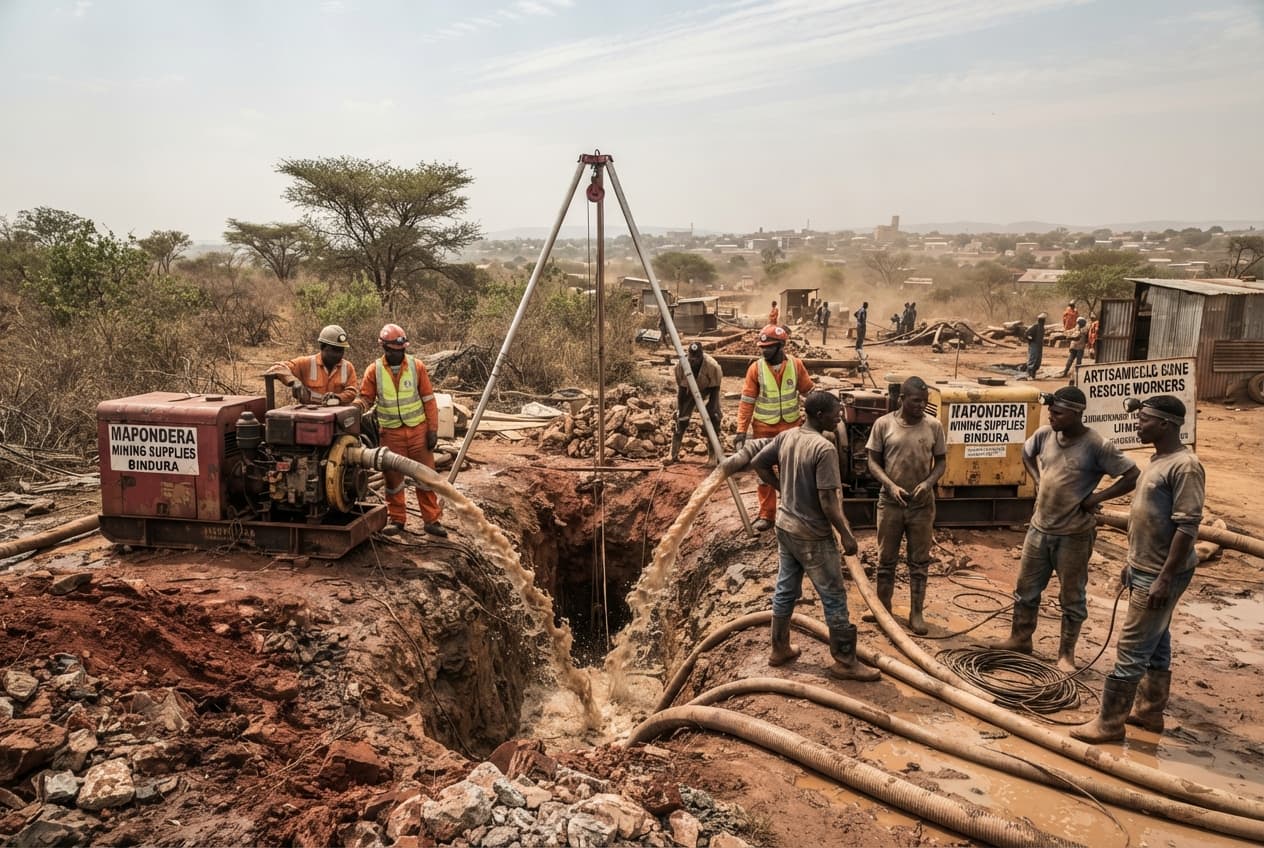
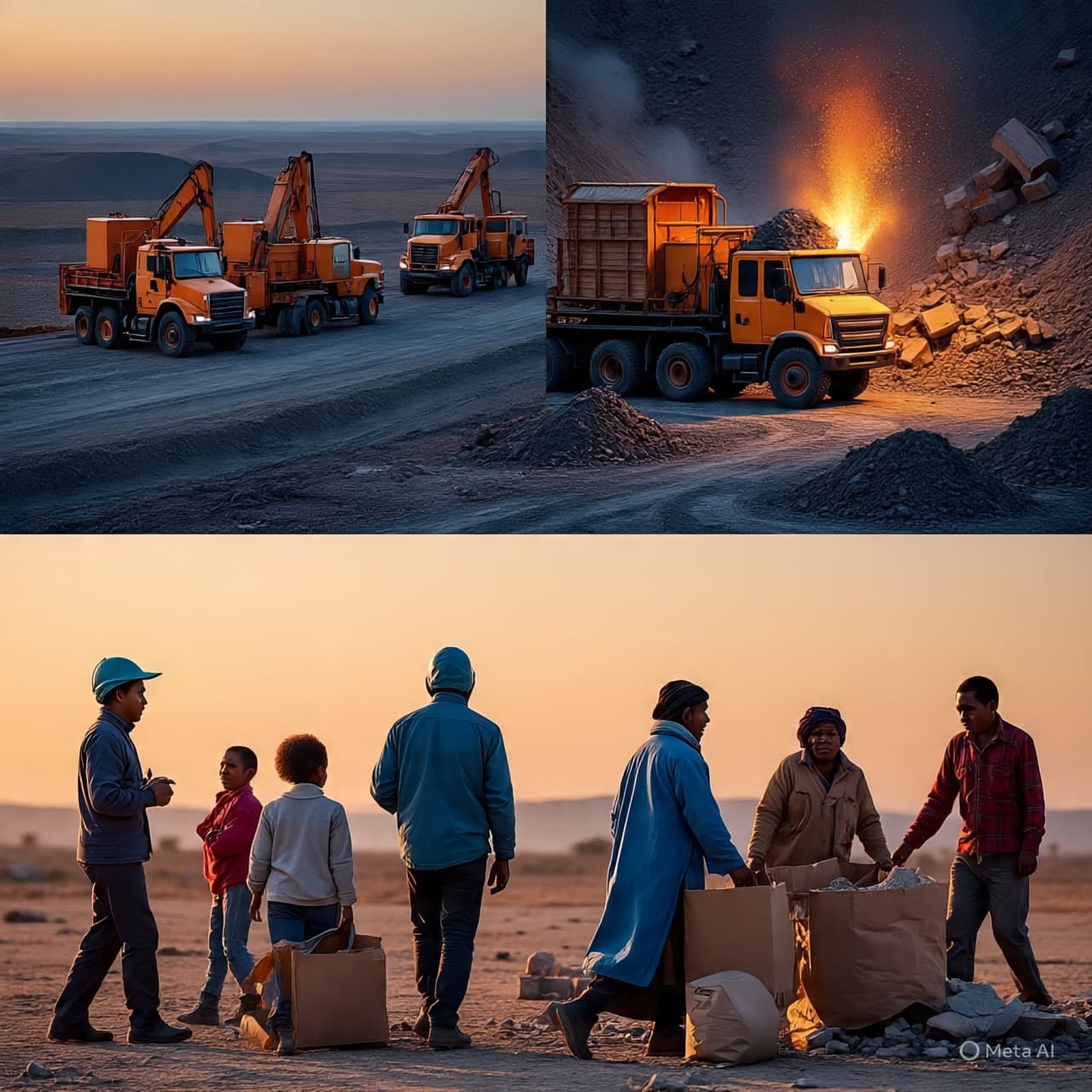
AI Image Disclaimer Visuals were produced with AI tools and serve as conceptual depictions, not real photographs.
Sources The Guardian, AllAfrica / Global Witness reporting, Adnkronos, Global Witness official report, IPIS analysis
Published by Banx Network. This article is part of the Banx decentralized media programme, powered by the BXE token on the XRP Ledger.