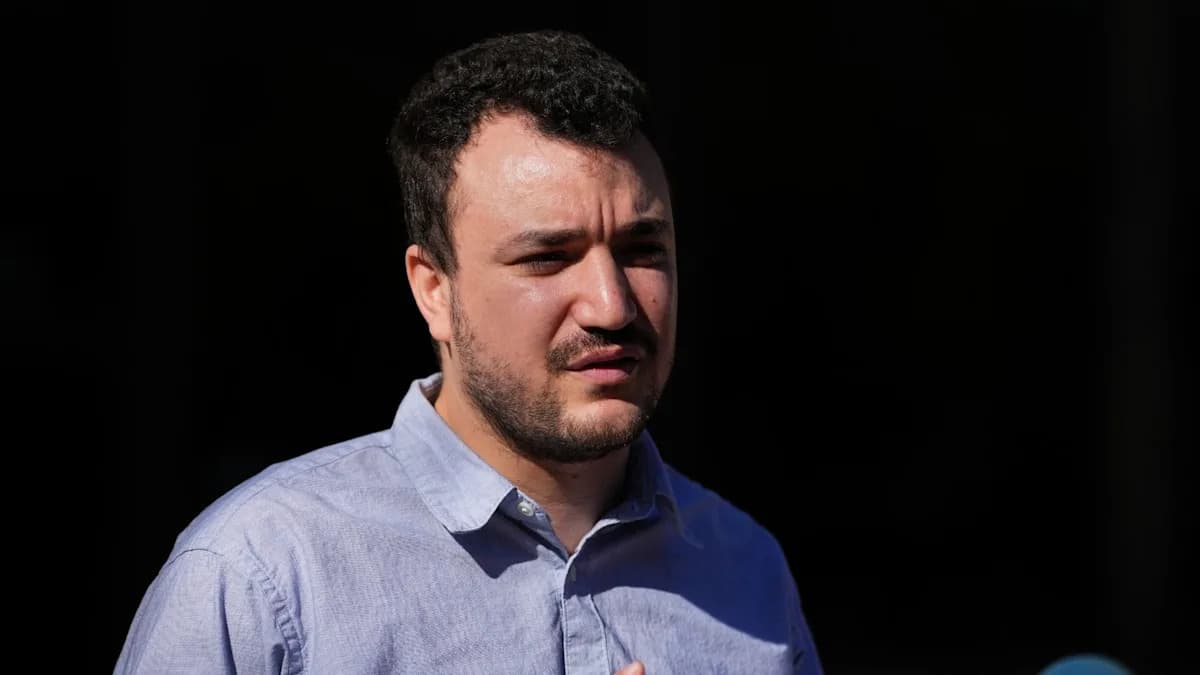
On January 15, 2026, an appeals court announced its decision to reverse the earlier ruling that had allowed pro-Palestinian activist Mahmoud Khalil to be released from custody. Khalil was previously detained on charges related to his activism and organization of protests advocating for Palestinian rights, which have increasingly sparked debates about freedom of speech and activism in the United States.
The appeals court cited procedural errors in the initial ruling, stating that the lower court had not adequately considered the implications of Khalil’s actions in relation to public safety and potential incitement. This development has led to mixed reactions, with some applauding the court's decision as necessary for upholding the law, while others decry it as a suppression of free speech and political dissent.
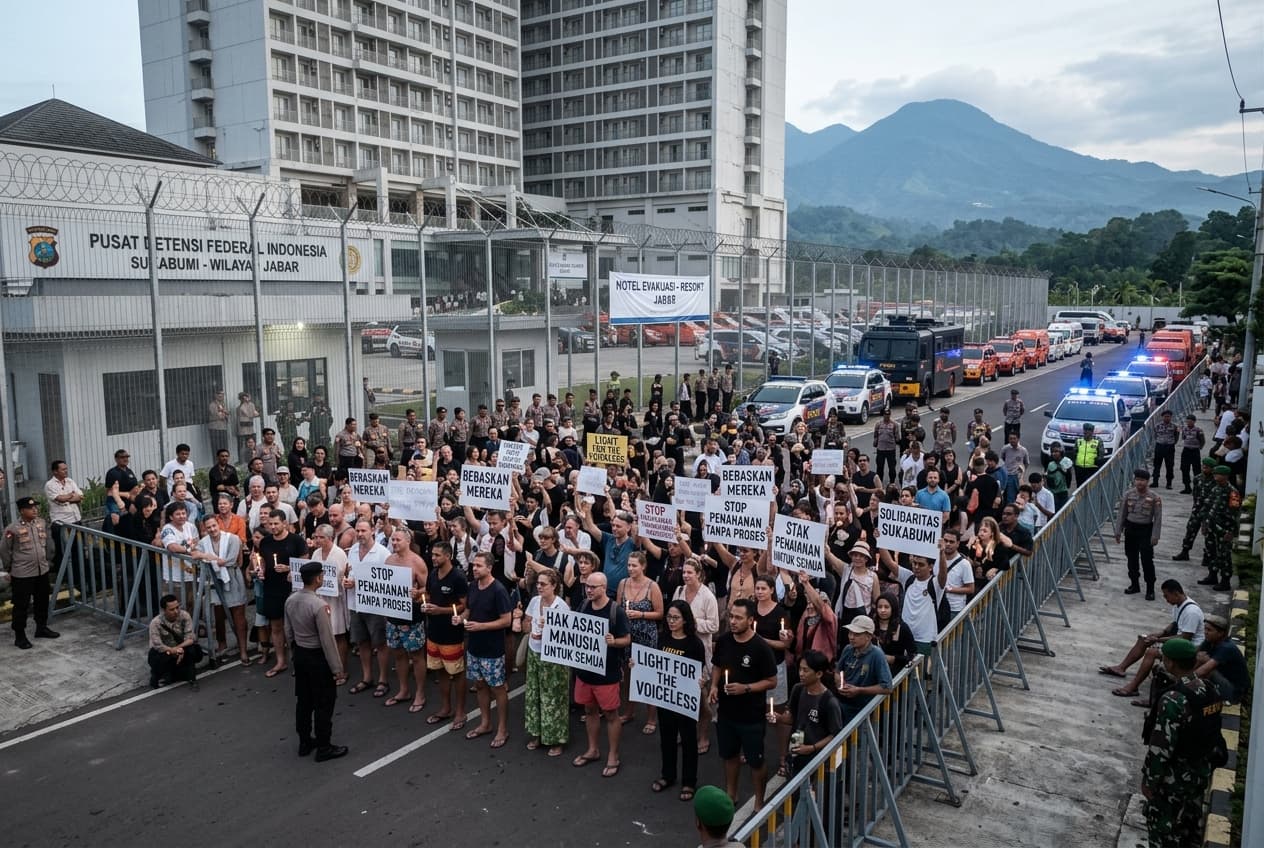
Khalil’s supporters, including various human rights organizations, argue that his activism is protected under the First Amendment. They contend that this reversal represents a broader crackdown on individuals advocating for social justice and political change. Activist groups are mobilizing to express their concerns, organizing rallies and petitions to demand Khalil's release once more.
The backlash reflects ongoing tensions related to political activism, particularly around the Israeli-Palestinian conflict, highlighting the complexities involved in balancing legal considerations with civil liberties.
As this case proceeds, legal experts are watching closely to see how it may set precedents for future cases involving activism and free speech in the United States. The developments are likely to influence discussions around similar cases and the treatment of activists in the current political climate. Khalil's legal team is preparing to appeal the appeals court's decision, aiming to overturn the ruling once again.
Published by Banx Network. This article is part of the Banx decentralized media programme, powered by the BXE token on the XRP Ledger.