

In the corridors of London’s financial district, a subtle but significant transformation is under way. The Financial Conduct Authority (FCA) has announced plans to stop publicly revealing the identities of investors who take large short positions in UK-listed companies.
Under the proposed regime, short-selling disclosures will shift from name-by-name transparency to an aggregated and anonymised format. Instead of listing the specific parties holding short positions above the threshold, the FCA will publish only the total net short positions once they cross a reporting trigger.
Why is this happening now? The UK, having shed some of its EU-derived rules post-Brexit, is increasingly focused on making its capital markets more “competitive, streamlined and growth-oriented.” The FCA describes the reform as part of this drive: “reducing burdens for capital market participants while ensuring the market still gets the transparency it needs.”
Hedge funds and active managers have broadly welcomed the change, arguing that naming short-sellers exposes proprietary strategies, invites copy-cat behaviour and can amplify short-squeeze risk.
But critics raise concerns: without individual names, companies and investors may lose sight of who is stepping into large short positions—and that could reduce market visibility of potentially abusive behaviour or bear-raid risks.
In straight-news terms: The UK’s FCA is proposing reforms under which short sellers betting on declines in stocks will no longer have their identities disclosed publicly. Instead the regulator will report anonymised aggregated short positions above a threshold. The move aligns the UK’s regime more closely with U.S. rules and departs from stricter EU-based disclosure requirements.
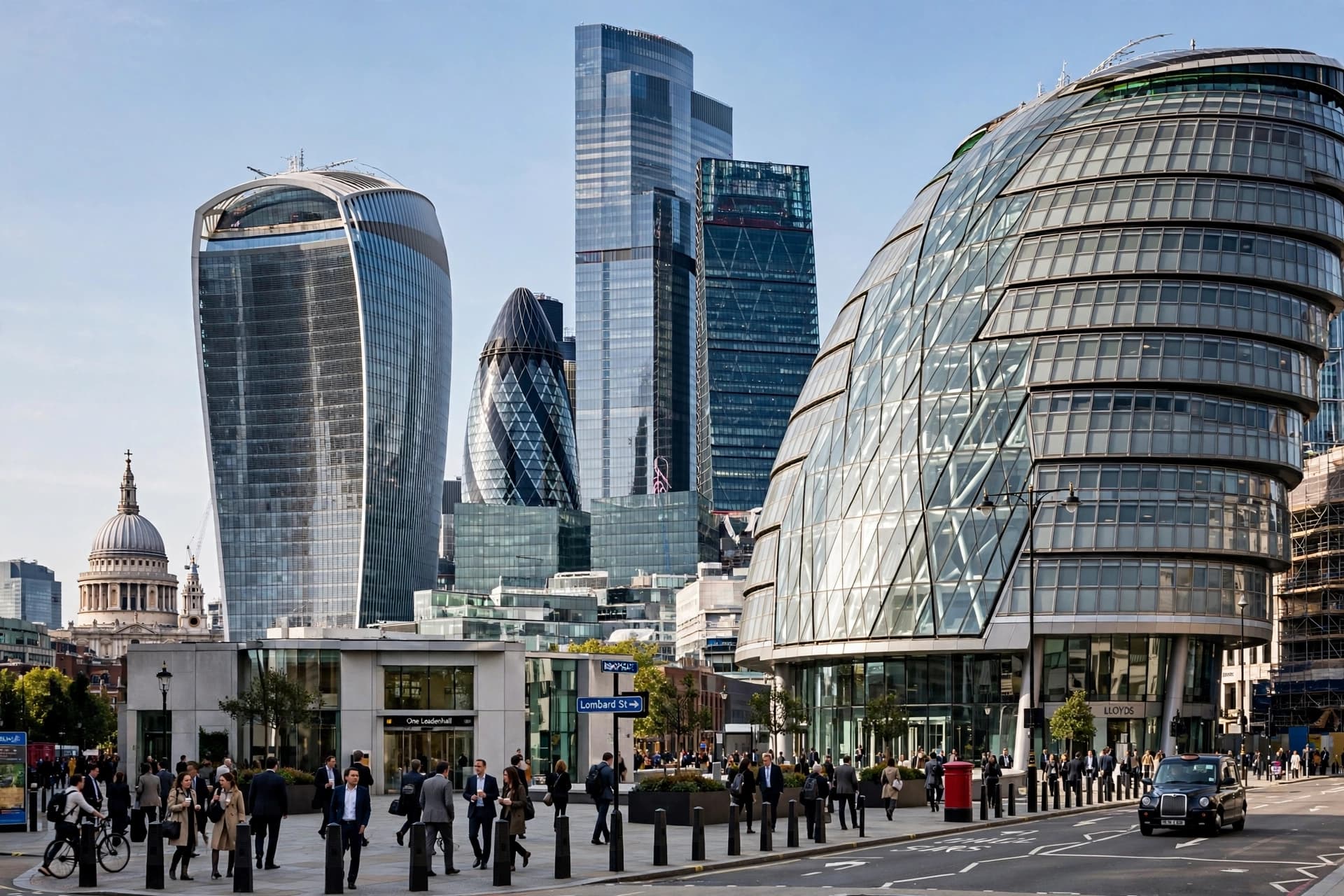
AI image disclaimer: Images generated by AI may not depict real people, places or events with perfect accuracy.
Published by Banx Network. This article is part of the Banx decentralized media programme, powered by the BXE token on the XRP Ledger.


.jpeg&w=3840&q=75 "Evernorth Goes Public: Could XRPN Change the Way Wall Street Invests in XRP?")