Long before humans synthesized plastics in laboratories, nature had already perfected its own version of durable, flexible materials. Polyhydroxyalkanoates (PHAs), often referred to as natural bioplastics, have been produced by bacteria for billions of years. Recent studies suggest that animals, from tiny insects to large mammals, have been consuming and digesting these natural polymers for millennia, integrating them into their biological cycles without harm.
PHAs are stored by bacteria as energy reserves, similar to how humans store fat. When bacteria die or shed these granules, they enter the soil and water, becoming part of the food web. Herbivores ingest them along with plant matter, while detritivores consume them in decaying organic material. This natural circulation has created a baseline exposure to biodegradable plastics that ecosystems have adapted to over evolutionary time.
The discovery challenges the notion that all plastic-like materials are inherently harmful. While synthetic plastics persist for centuries, causing pollution and health issues, natural PHAs break down relatively quickly and are metabolized by many organisms. This distinction is crucial for developing sustainable alternatives to conventional plastics. By mimicking nature’s design, scientists hope to create materials that fit seamlessly into existing ecological processes.
Research has shown that certain enzymes in animal digestive systems can break down PHAs efficiently. This capability suggests that the biological machinery for processing these polymers is widespread and ancient. It offers a promising avenue for waste management, where natural degradation could replace mechanical recycling or landfilling. However, the rate of breakdown depends on environmental conditions, such as temperature and microbial activity.
Understanding this natural history also provides context for the current plastic crisis. The problem is not the concept of polymer-based materials but their persistence and toxicity. Synthetic plastics lack the chemical markers that allow for easy biological breakdown, leading to accumulation. By studying how animals interact with natural bioplastics, researchers can identify key features that make materials eco-friendly.
Conservationists emphasize the importance of preserving natural habitats where these cycles occur. Healthy soils and waters support the bacterial communities that produce and degrade PHAs. Disruption of these ecosystems could alter the balance of natural plastic consumption, with unknown consequences. Protecting biodiversity is thus linked to maintaining the planet’s innate ability to manage organic waste.
The narrative of natural bioplastics is one of harmony rather than conflict. It reminds us that nature has solutions to many of the problems we face, if only we look closely enough. By learning from these ancient processes, we can innovate in ways that respect ecological limits. It is a shift from dominating nature to collaborating with it.
As we move toward a circular economy, the lesson from millennia of animal consumption is clear: materials should be designed for return, not just use. Natural bioplastics offer a model for sustainability that is both proven and practical. Embracing this wisdom can help us reduce our environmental footprint and restore balance to our relationship with the earth.
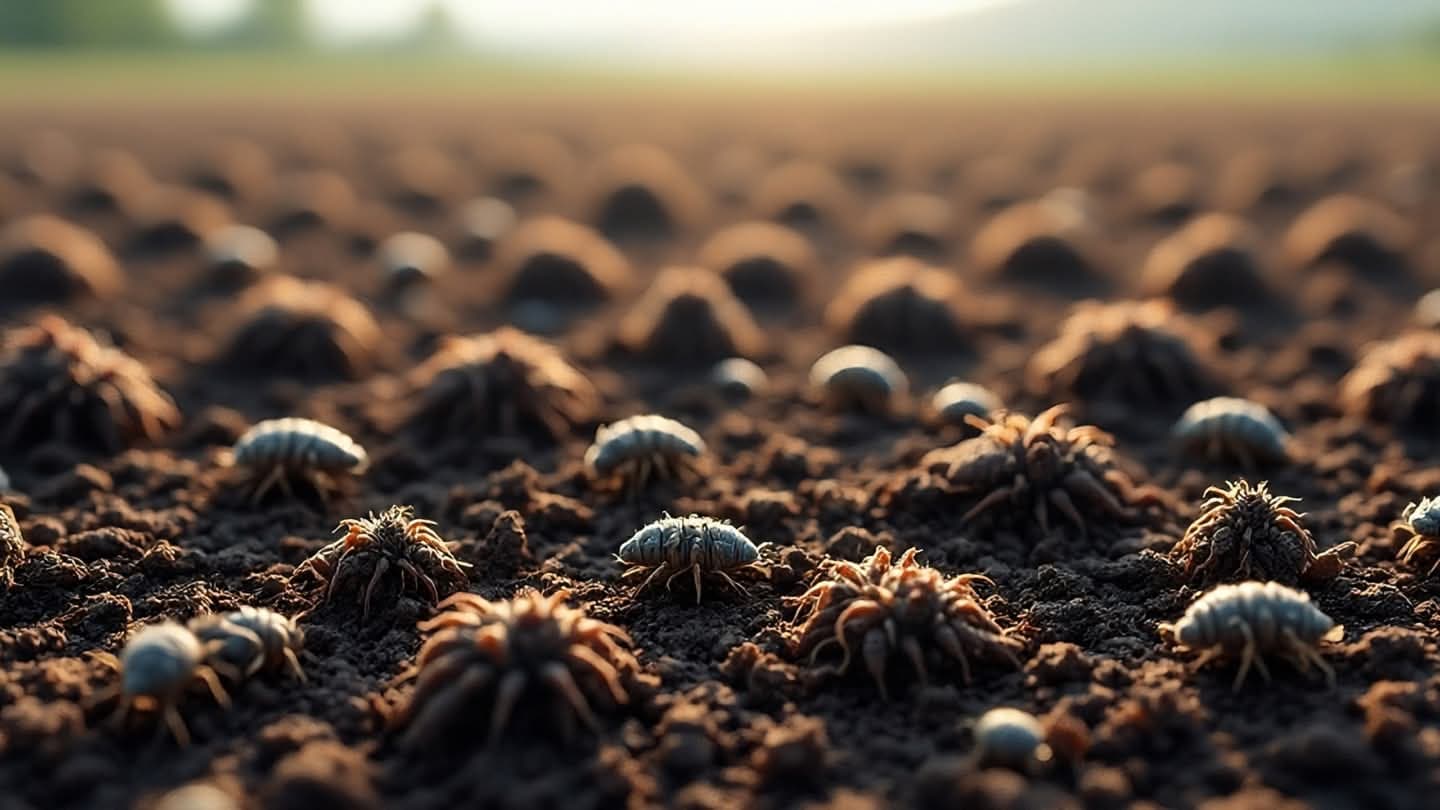
AI Image Disclaimer: Images accompanying this report are AI-generated depictions of natural ecosystems and microscopic biological structures, intended to illustrate the concept of natural bioplastics.
Sources: Nature Communications, National Geographic, ScienceDirect, Environmental Science & Technology
Published by Banx Network. This article is part of the Banx decentralized media programme, powered by the BXE token on the XRP Ledger.