
Key Highlights
- Protests erupted in India and Bangladesh following the killing of a Hindu man.
- Diplomatic tensions escalated with both nations summoning each other's envoys.
- Analysts warn of the potential for deeper divides affecting regional stability.
In the dense streets of South Asia, where shared rivers and centuries of cultural ties bind communities, a sudden surge of anger has reminded neighbors that harmony is delicate. Relations between India and Bangladesh, once often celebrated for cooperation and goodwill, have now been pulled into turbulence by violent protests, diplomatic recriminations, and public outrage across both nations.
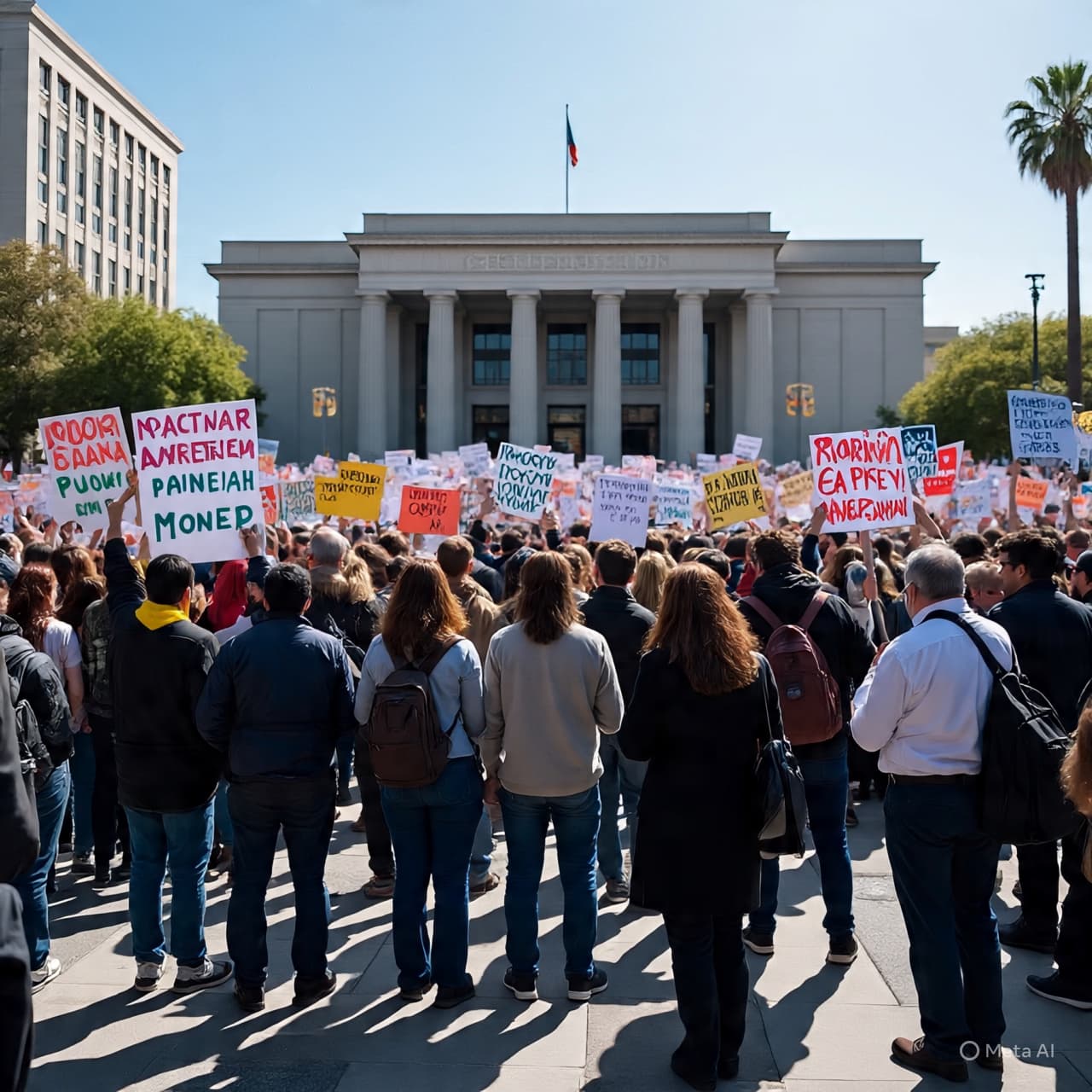
The immediate catalyst was the brutal killing of Dipu Chandra Das, a 27-year-old Hindu man in Bangladesh’s Mymensingh district, reportedly attacked by a mob over blasphemy allegations. His death ignited mass demonstrations in Indian cities, including New Delhi, Kolkata, Mumbai, and Hyderabad. Protesters gathered outside Bangladeshi diplomatic missions, demanding justice and urging the Indian government to press Dhaka for action.
Clashes with police occurred as demonstrators attempted to breach barricades near the Bangladesh Deputy High Commission in Kolkata and the High Commission in New Delhi. Security forces detained several protesters, and security was heightened in anticipation of further unrest. In response, Bangladesh’s Foreign Ministry summoned India’s high commissioner, describing the incidents as violent, while India summoned the Bangladeshi envoy in a reciprocal move, escalating diplomatic tensions.
Adding to the unrest, Bangladesh faced its own internal turmoil following the killing of youth leader Sharif Osman Hadi. Demonstrations targeted government offices, media buildings, and occasionally Indian diplomatic missions, raising concerns in New Delhi about minority protections and the overall stability of Bangladesh. The situation has prompted fears that the unrest could spill over into broader regional instability, affecting not only bilateral relations but also the socio-political landscape of South Asia.
This series of events has tested the fragile threads holding regional harmony together. Economic partnerships, cultural exchanges, and decades of cooperation now face strain under the weight of nationalist sentiment and mutual suspicion. Analysts urge restraint and dialogue, warning that retaliation and inflammatory rhetoric may deepen the divide and affect South Asia’s overall peace. The potential for escalation remains high, with both governments under pressure to respond to their respective constituencies.
As evening descends over Dhaka and New Delhi, streets marked by slogans and impassioned crowds reflect not only grief and anger but a quiet yearning for resolution. In the end, it may be diplomacy, patience, and mutual respect that restore a sense of stability between these neighboring nations. The international community watches closely, hoping for a peaceful resolution to the crisis that has emerged from this tragic incident.
Published by Banx Network. This article is part of the Banx decentralized media programme, powered by the BXE token on the XRP Ledger.



