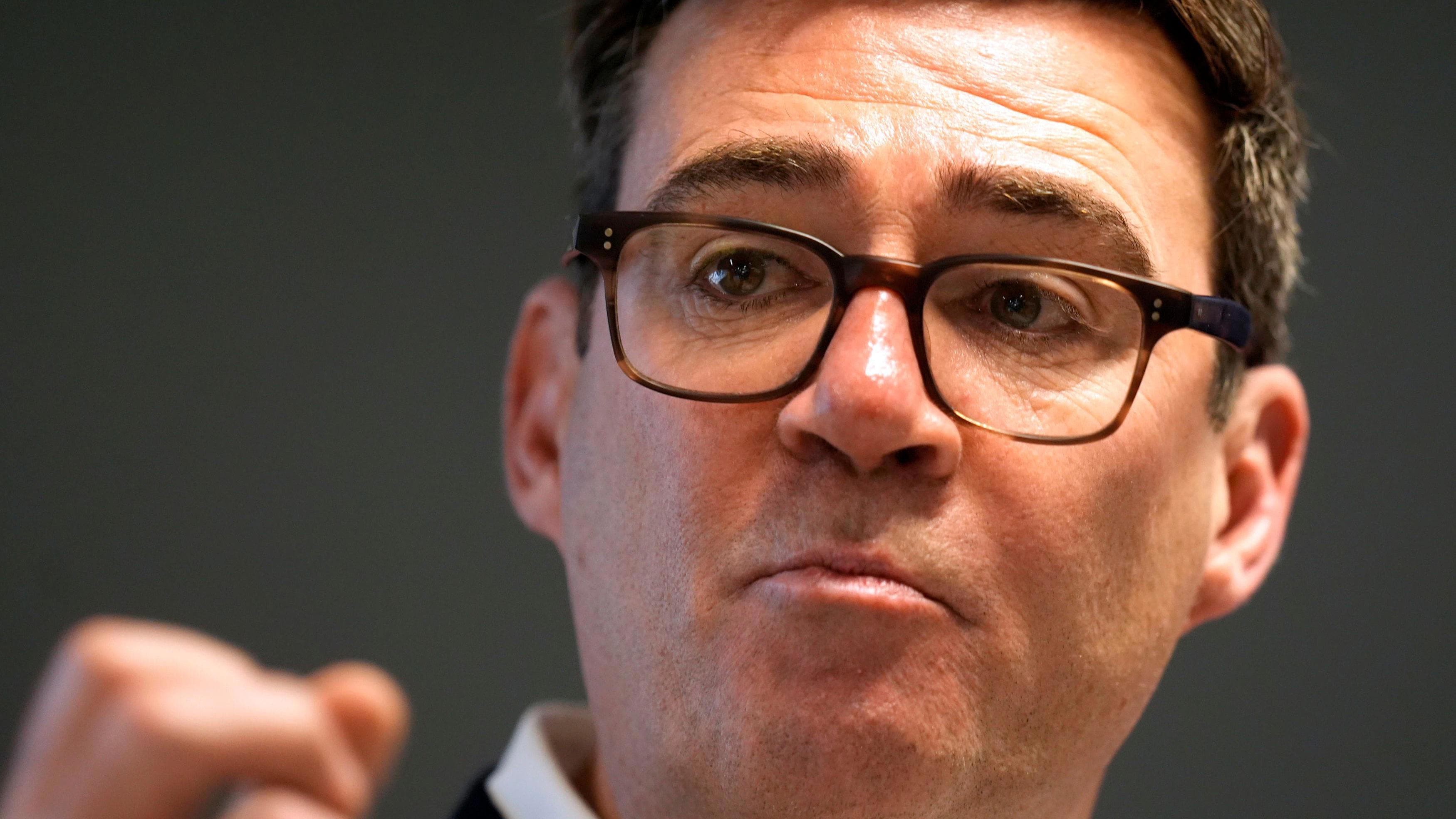
In a surprising and contentious move, Andy Burnham, the Mayor of Greater Manchester and a prominent Labour figure, has been blocked from standing in the forthcoming byelection by the Labour Party's ruling committee. This decision has triggered a wave of criticism and raised questions about the party's internal dynamics and approach to leadership.
Burnham, who has been a vocal advocate for various social justice issues and known for his popular stance on public health during the pandemic, was seen by many as a strong candidate capable of galvanizing support. The ruling committee’s decision to exclude him has left supporters and analysts questioning the motivations behind this ruling, as well as the implications for Labour's political strategy.
Party members have expressed discontent, arguing that Burnham's experience and popularity could have provided a much-needed boost for Labour in the byelection. They fear that sidelining a well-regarded figure could alienate voters and undermine party unity at a critical time.
The ruling committee has not provided specific reasons for the decision, fueling speculation about internal tensions and differing views on the direction of the party. Observers are closely watching how this situation will unfold and what it means for the Labour Party's future, especially as they seek to connect with constituents beyond their traditional base.
As Burnham considers his options moving forward, the incident highlights ongoing debates within the Labour Party about leadership, representation, and electoral strategies. The outcome of the byelection remains uncertain, but the exclusion of a prominent figure like Burnham has undoubtedly reshaped the political landscape in this context.
Published by Banx Network. This article is part of the Banx decentralized media programme, powered by the BXE token on the XRP Ledger.