
Key Highlights
- Incident:Two climbers died from hypothermia in the Peruvian Andes.
- Weather:A severe cold front caused temperatures to plummet rapidly.
- Response:Local authorities have suspended high-altitude trekking permits.
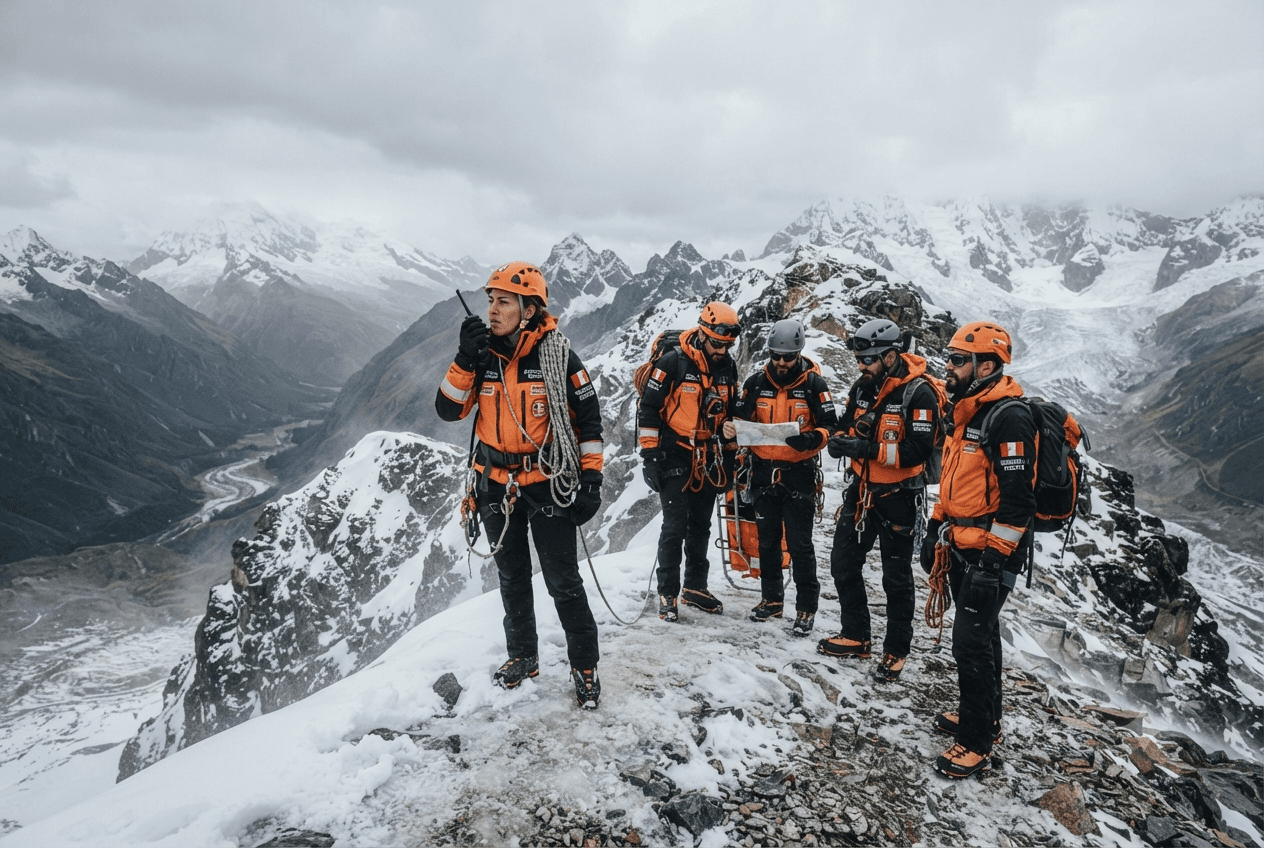
Cusco, Peru—Tragedy struck the high-altitude Ausangate circuit early this morning as rescue teams recovered the bodies of two experienced climbers who succumbed to hypothermia. The climbers were part of a local trekking expedition that faced a sudden and severe cold front, which hit the mountain range late yesterday afternoon, causing temperatures to drop by forty degrees in less than two hours.
The victims, who were reportedly well-versed in high-altitude climbing, became separated from their group when visibility deteriorated to near zero due to heavy snowfall and strong winds exceeding seventy kilometers per hour throughout the night. Rescue operators launched a recovery mission at dawn, navigating treacherous terrain to reach the site located at an altitude of five thousand meters. Initial search efforts were hampered by a heavy snowpack, complicating the recovery process.
Local police officials confirmed that the cause of death was severe hypothermia, exacerbated by the climbers' inadequate equipment for such extreme weather conditions. Their remains have been transported to a morgue in Cusco for identification. The incident has raised serious concerns about the safety protocols followed by trekking companies operating in the region.
Authorities have noted that weather patterns in the Southern Andes have been increasingly erratic this season. Meteorologists had issued warnings about low-pressure systems moving into the area, yet many tour operators reportedly ignored these advisories. This oversight has prompted a reevaluation of safety measures and communication protocols among local guide agencies.
In a related development, the surviving members of the climbing group were located by a separate search team around noon today. They are currently receiving treatment for frostbite and exhaustion at a local clinic, where their condition is reported to be stable, although they require oxygen support due to the altitude.
In response to the tragic events, the regional government has placed a temporary moratorium on all high-altitude trekking permits. This ban will remain in effect until the current weather front passes through the mountain range. Inspectors are actively reviewing the safety protocols of local trekking companies to prevent future incidents.
The Ministry of Environment has stated that the intensity of the storm was anomalous for July, and ongoing data collection aims to determine whether structural shifts in the climate are contributing to an increase in storm frequency in the region. Officials are also focusing on the legal status of the trekking company involved in the incident, as they assess the implications of this tragedy on the local tourism industry.
Published by Banx Network. This article is part of the Banx decentralized media programme, powered by the BXE token on the XRP Ledger.



