The human body is often viewed as a fortress, defended against invaders by a sophisticated immune system. Yet, buried within the very code of life lies a testament to ancient collaborations with those same invaders. Approximately eight percent of human DNA is composed of remnants from retroviruses that infected our ancestors millions of years ago. Far from being mere junk or scars, some of these viral fragments have been repurposed by evolution to perform essential functions, including the development of the placenta.
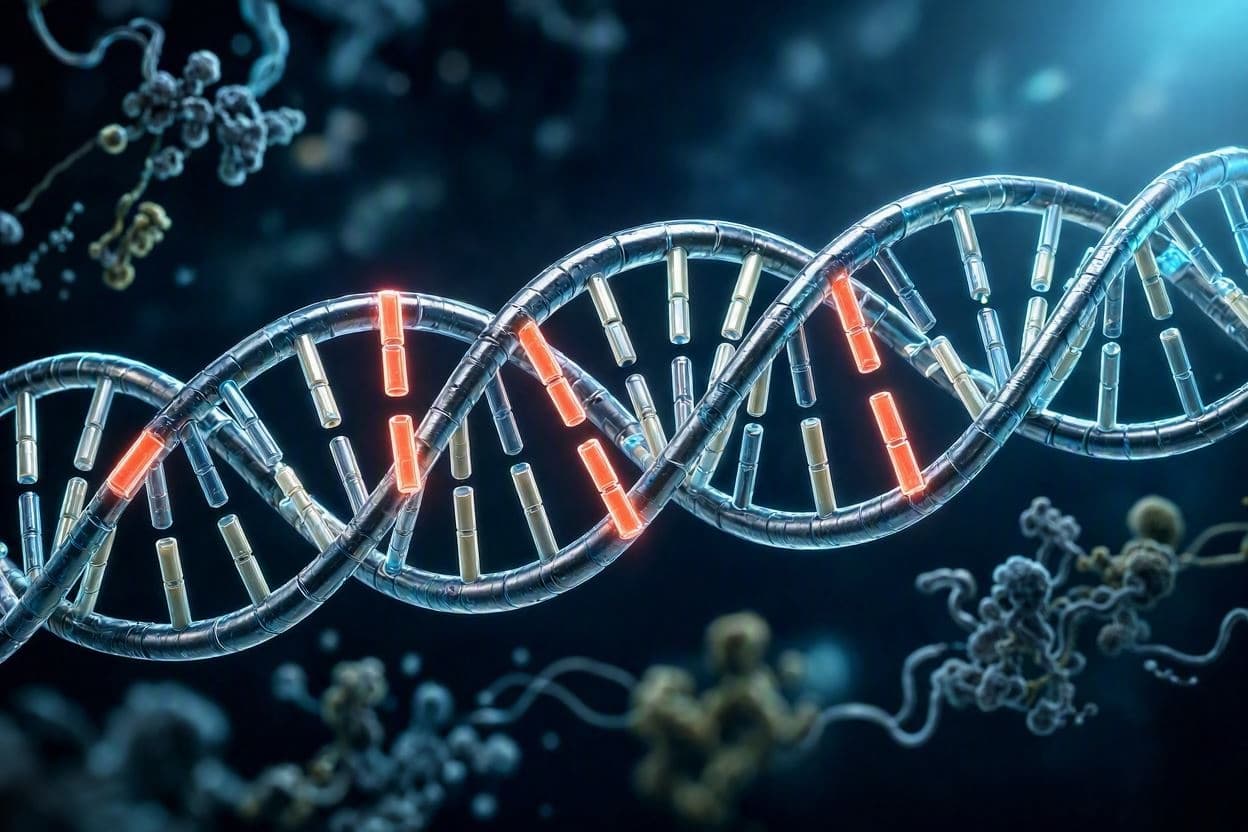
This phenomenon, known as endogenization, occurred when retroviruses inserted their genetic material into the germ cells of early mammals. Instead of causing disease, these viral sequences were passed down through generations, becoming a permanent part of the host genome. Over time, natural selection favored those sequences that offered beneficial traits, leading to their preservation and integration into biological processes.
One of the most striking examples of this symbiosis is the gene syncytin. Originally derived from a viral envelope protein, syncytin plays a critical role in the formation of the placenta. It helps create the barrier between mother and fetus, allowing for the exchange of nutrients and waste while protecting the developing baby from the mother’s immune system. Without this viral contribution, the complex pregnancy characteristic of mammals might not have evolved.
This discovery reshapes our understanding of evolution, suggesting that it is not always a slow, gradual process of mutation and selection. Sometimes, major evolutionary leaps are driven by the sudden acquisition of new genetic tools from external sources. In this case, a virus provided the molecular machinery necessary for live birth, fundamentally changing the reproductive strategy of mammals.
The implications extend beyond reproduction. Researchers are investigating other viral remnants in the human genome to understand their roles in immunity, brain development, and disease. Some studies suggest that these ancient sequences may influence susceptibility to certain conditions, offering new avenues for medical research. By understanding our viral heritage, we may unlock secrets to better health and treatment.
It is a humbling realization that we are, in part, made of viruses. The boundary between self and non-self is more porous than previously thought. This genetic mosaic reflects a history of interaction and adaptation, where survival depended on the ability to incorporate foreign elements into the fabric of life. It is a reminder that life is interconnected in ways that are both profound and unexpected.
For the general public, this information can be surprising, even unsettling. The idea that a virus played a role in our existence challenges the narrative of viruses as solely harmful agents. Instead, it highlights their dual nature as both pathogens and partners in evolution. This perspective encourages a more nuanced view of the microbial world and its impact on human biology.
As science continues to decode the human genome, the story of our viral ancestors becomes clearer. It is a narrative of resilience and innovation, where life finds a way to thrive by borrowing from others. Every time a child is born, it is a testament to an ancient infection that became a gift, ensuring the continuation of our species through the miracle of the placenta.
AI Image Disclaimer: Images accompanying this report are AI-generated artistic interpretations of DNA structures and cellular processes, intended to visualize the concept of genetic integration without depicting real medical imagery.
Sources: Nature, Scientific American, The Conversation, National Institutes of Health (NIH)
Published by Banx Network. This article is part of the Banx decentralized media programme, powered by the BXE token on the XRP Ledger.