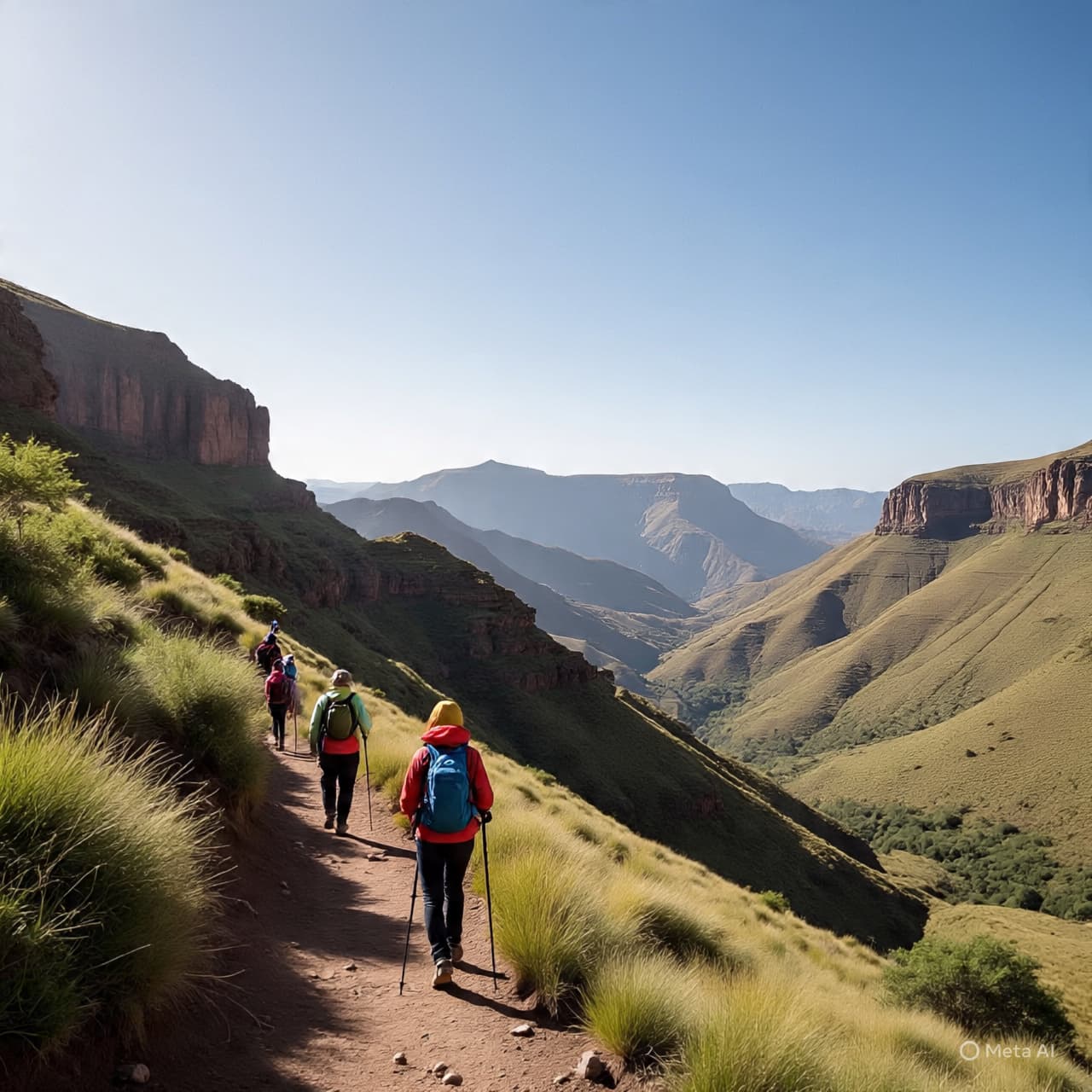
There are seasons when a country seems to exhale, and the world quietly leans in to listen. Mountains that have stood for millennia, rock-hewn churches carved from devotion and patience, markets humming with layered histories — these are not new. Yet sometimes, recognition arrives like morning light, revealing what has long been there.
According to the latest data from UN Tourism, Ethiopia has emerged as one of the fastest-growing tourism destinations globally, recording a 15 percent surge in international arrivals. The figure places the East African nation among the standout performers in a period marked by uneven global recovery in travel.
Tourism is often described in numbers — percentages, arrivals, receipts — but behind those figures are journeys. Visitors drawn to Ethiopia’s highlands, its archaeological treasures, and its cultural festivals are part of a wider rediscovery of destinations beyond traditional circuits. In a world recalibrating after years of disruption, travelers appear increasingly open to places rich in heritage and distinct identity.
Ethiopia’s appeal lies in contrasts that coexist rather than compete. From the ancient obelisks of Axum to the dramatic escarpments of the Simien Mountains, the country offers landscapes that feel both expansive and intimate. In Addis Ababa, diplomatic corridors and coffee ceremonies unfold within the same urban rhythm, reflecting a nation balancing modernity with continuity.
The 15 percent increase in arrivals signals more than a statistical uptick. It suggests renewed confidence among international travelers and improving connectivity through carriers such as Ethiopian Airlines, whose growing route network has positioned Addis Ababa as a continental gateway. Accessibility, often a decisive factor in tourism growth, has steadily improved.
UN Tourism’s broader report highlights how global travel continues its recovery trajectory, though progress varies by region. Against this backdrop, Ethiopia’s performance stands out. Growth at this pace reflects not only demand but also coordinated efforts in promotion, infrastructure development, and destination management.
Government initiatives have increasingly emphasized tourism as a pillar of economic diversification. Investment in heritage site restoration, hospitality facilities, and promotional campaigns has gradually strengthened Ethiopia’s profile abroad. The country’s unique religious landmarks, UNESCO-recognized sites, and biodiversity reserves contribute to a narrative that feels both authentic and layered.
Still, growth invites careful stewardship. Rapid increases in visitor numbers can place pressure on fragile ecosystems and historic locations. Sustainable tourism strategies — balancing economic opportunity with preservation — remain essential to ensuring that expansion does not outpace protection.
The momentum also carries symbolic significance. Tourism, at its best, fosters exchange. It allows stories to travel in both directions — visitors learning from local traditions, and host communities engaging with global perspectives. In Ethiopia’s case, a 15 percent surge may reflect curiosity, but it also signals openness.
As airlines add routes and tour operators expand offerings, the coming months will reveal whether this upward trend stabilizes into sustained growth. For now, the data from UN Tourism provides a snapshot of movement — a measure of footsteps crossing borders toward a destination that has long held quiet distinction.
Ethiopia’s tourism sector has recorded a 15 percent increase in international arrivals, according to UN Tourism’s latest figures. Officials continue to position the sector as a driver of economic growth while emphasizing sustainability and infrastructure development.
AI Image Disclaimer Graphics are AI-generated and intended for representation, not reality.
Source Check: Credible coverage found from the following mainstream and industry outlets:
1. Reuters 2. BBC News 3. Al Jazeera 4. Travel Weekly 5. UN Tourism (official reports)
Published by Banx Network. This article is part of the Banx decentralized media programme, powered by the BXE token on the XRP Ledger.