

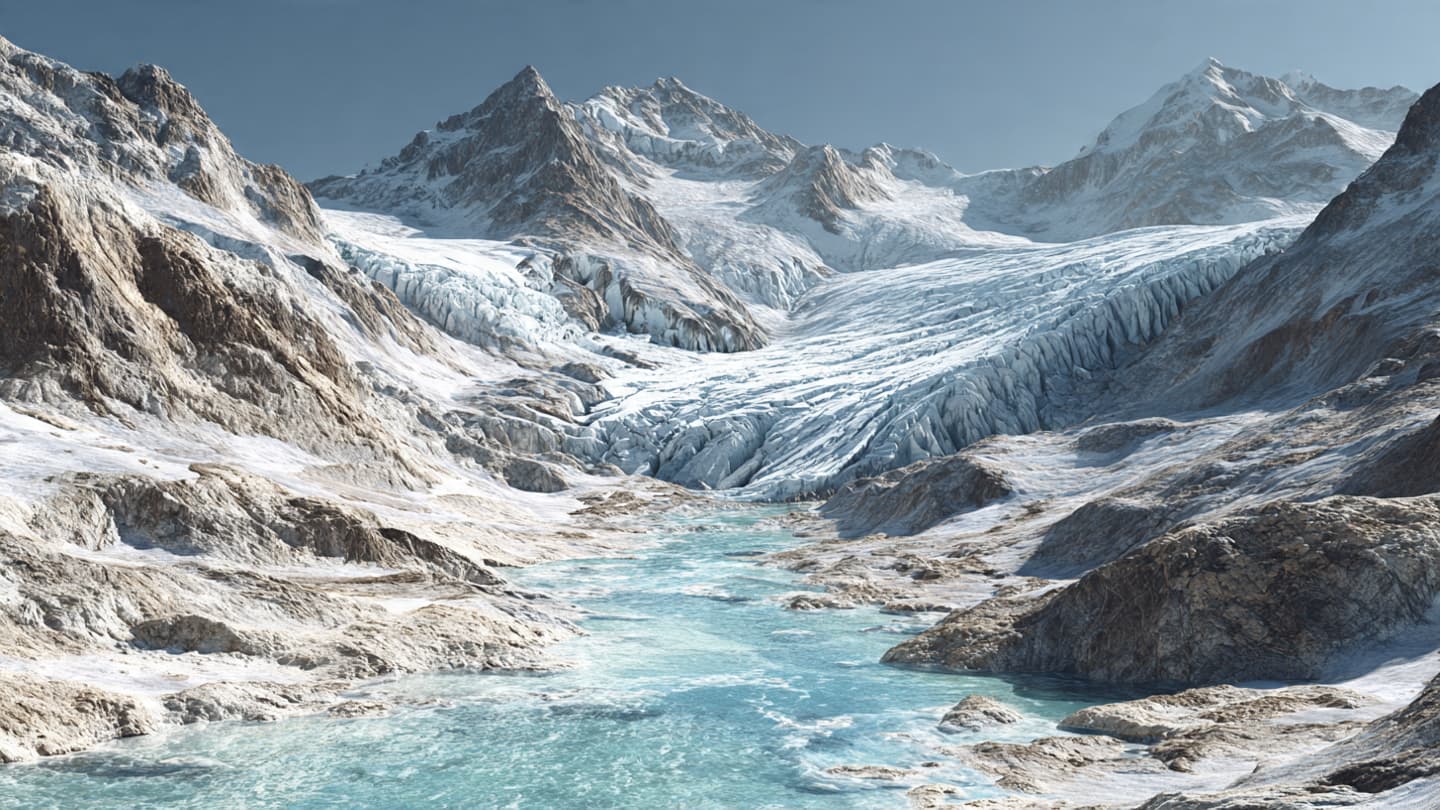
Key Highlights
- Glacier melting is accelerating, raising flood risks in China.
- Changes in ice dynamics affect river systems and local communities.
- Advances in satellite technology aid in monitoring glacier behavior.
High in the world's mountain ranges, glaciers have long acted as frozen reservoirs, storing water accumulated over years and sometimes centuries. Their gradual seasonal cycles have helped shape river systems and support communities downstream. Today, however, scientists and authorities are paying closer attention to signs that these patterns may be changing.
Chinese officials have issued warnings regarding elevated flood risks associated with accelerated glacier melting in parts of the country. Rising temperatures have increased concern about the stability of glacial environments and the potential impact on nearby communities. As glaciers melt at an unprecedented rate, the implications for water supply and flood management are becoming increasingly critical.
Glaciers play an important role in regional water systems. As ice melts, water enters rivers and lakes that support agriculture, industry, and population centers across large geographic areas. The melting of glaciers can lead to a significant increase in river flow, which, while beneficial in the short term, can also create additional challenges. In some cases, water may accumulate behind natural barriers, forming glacial lakes that carry the risk of sudden flooding if those barriers fail.
Researchers have observed similar concerns in mountainous regions around the world. Monitoring glacier behavior has become an important aspect of environmental science and disaster preparedness. The rapid changes in glacial dynamics necessitate a proactive approach to managing water resources and mitigating flood risks.
Advances in satellite technology and remote sensing have improved the ability of scientists to track changes in ice coverage and water movement. These tools help authorities assess potential risks more effectively. By utilizing these technologies, researchers can gather data on glacier retreat and its effects on river systems, providing critical information for local governments and disaster response teams.
Local governments are working to strengthen preparedness measures in areas considered vulnerable. Early-warning systems and infrastructure planning form part of broader efforts to reduce the impact of possible flooding events. These initiatives are essential for safeguarding communities that rely on glacial meltwater for their livelihoods.
Environmental experts emphasize that glacier dynamics involve multiple factors, including temperature, precipitation, and regional geography. Continued observation remains essential for understanding long-term trends. As scientists gather more data and authorities expand monitoring efforts, the situation underscores the importance of adapting to environmental changes. The warning serves as a reminder that developments occurring high in the mountains can have significant implications for communities far below.
Published by Banx Network. This article is part of the Banx decentralized media programme, powered by the BXE token on the XRP Ledger.




