
Key Highlights
- Groundbreaking DNA research reveals the disappearance of ancient populations in France around 1,000 BCE.
- The study indicates a significant decline in genetic diversity, suggesting external influences or migrations.
- Climate change and societal upheavals are identified as potential factors contributing to this population decline.
[Findings from the DNA Analysis]
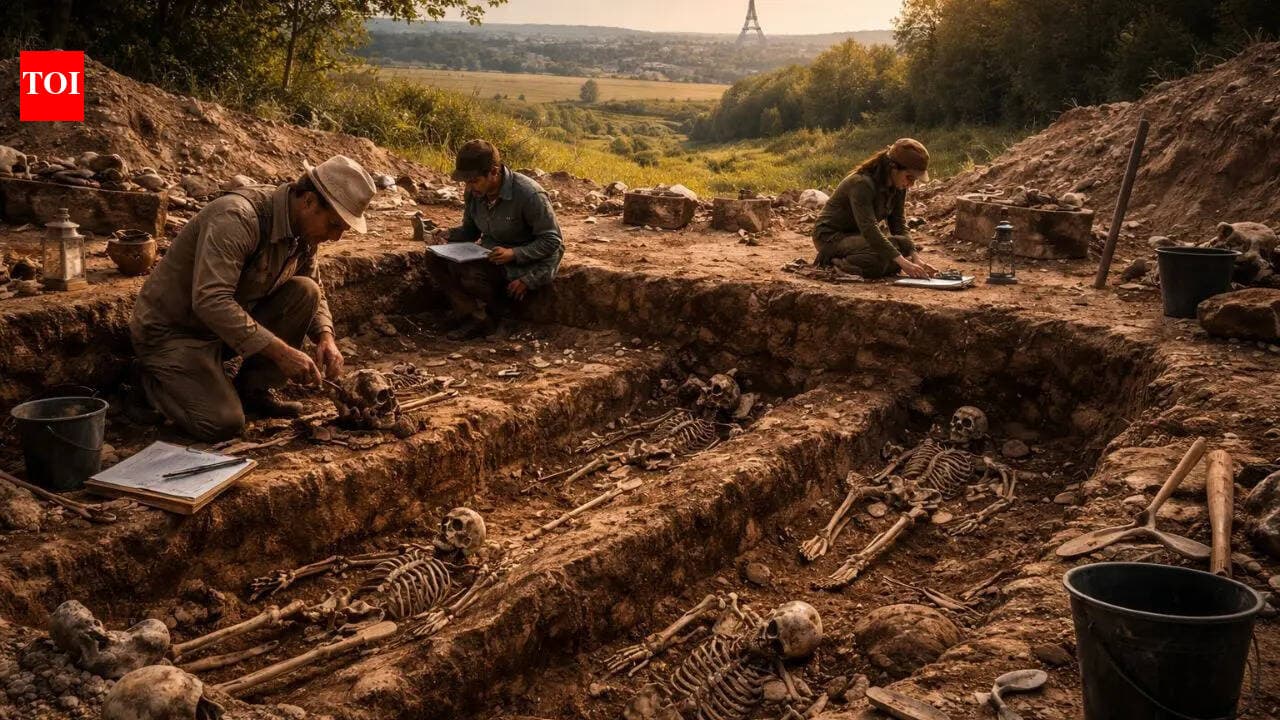
A recent DNA study has shed light on the mysterious disappearance of ancient human populations in France around 1,000 BCE. Conducted on skeletal remains unearthed from a tomb in Paris, the research has unveiled a complex genetic landscape that indicates a sudden decline in genetic diversity among local populations. The analysis revealed a shift from indigenous genetic groups to the emergence of new lineages, suggesting that significant external influences or migrations may have played a role in this demographic change.
[The Role of Climate Change]
One of the most striking findings of the study is its correlation with climate fluctuations during this period. Experts believe that drastic climate changes around 1,000 BCE could have led to agricultural failures and resource scarcity, compelling populations to migrate or even vanish. The transition to a cooler and drier climate likely had severe repercussions on food production, which in turn could have destabilized societies that relied heavily on agriculture for sustenance.
[Societal Upheavals]
In addition to environmental factors, the study points to potential societal upheavals as a contributing factor to the decline of these ancient populations. The rise of new cultural influences may have exacerbated existing tensions, leading to conflicts among competing groups. Such societal strife could have further diminished the populations in the region, compounding the effects of climate change and resource scarcity.
[Implications for Understanding Ancient Societies]
These revelations challenge previous assumptions about the stability of ancient populations in Europe. The findings underscore the interconnectedness of climate, society, and genetics, illustrating how external factors can drastically reshape human history. This research not only enhances our understanding of ancient France but also provides a framework for studying similar phenomena in other regions, highlighting the importance of considering multiple factors when examining historical population dynamics.
As researchers continue to explore the mysteries of our past, the insights gained from the Parisian tomb serve as a crucial reminder of the complex interplay between environment and human societies throughout history. The implications of this study extend beyond France, offering valuable lessons for understanding how ancient populations adapted to changing conditions and the consequences of societal upheaval.
Published by Banx Network. This article is part of the Banx decentralized media programme, powered by the BXE token on the XRP Ledger.



