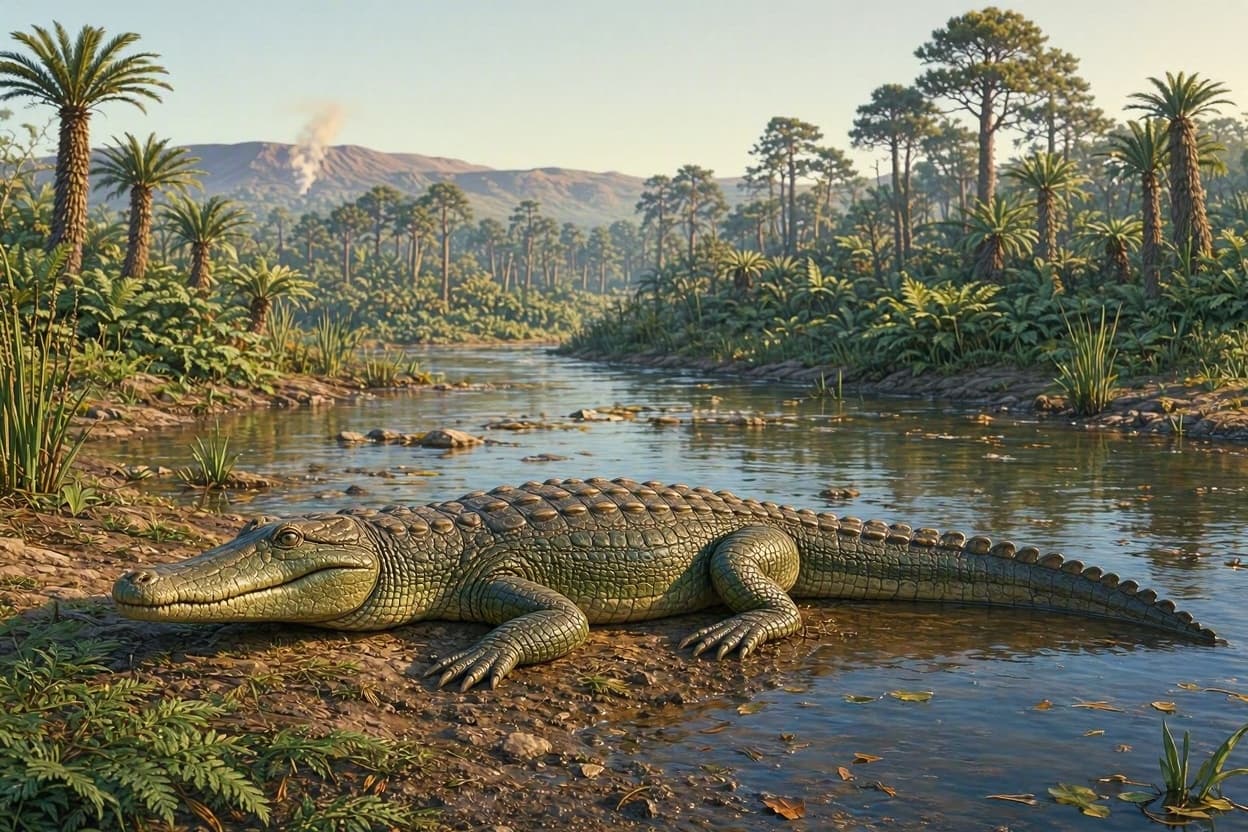
In the deep history of life on Earth, few creatures have demonstrated as much resilience as the crocodile. These armored survivors have witnessed the rise and fall of dinosaurs, the shifting of continents, and the cooling of climates. Yet, a new study of fossilized bones suggests that their defining trait—cold-bloodedness—may not have been their original state. Instead, evidence indicates that ancient crocodilian ancestors were likely warm-blooded, only evolving into the ectothermic reptiles we know today after a catastrophic mass extinction. This revelation rewrites our understanding of their evolutionary journey, painting a picture of adaptation driven by survival rather than design.
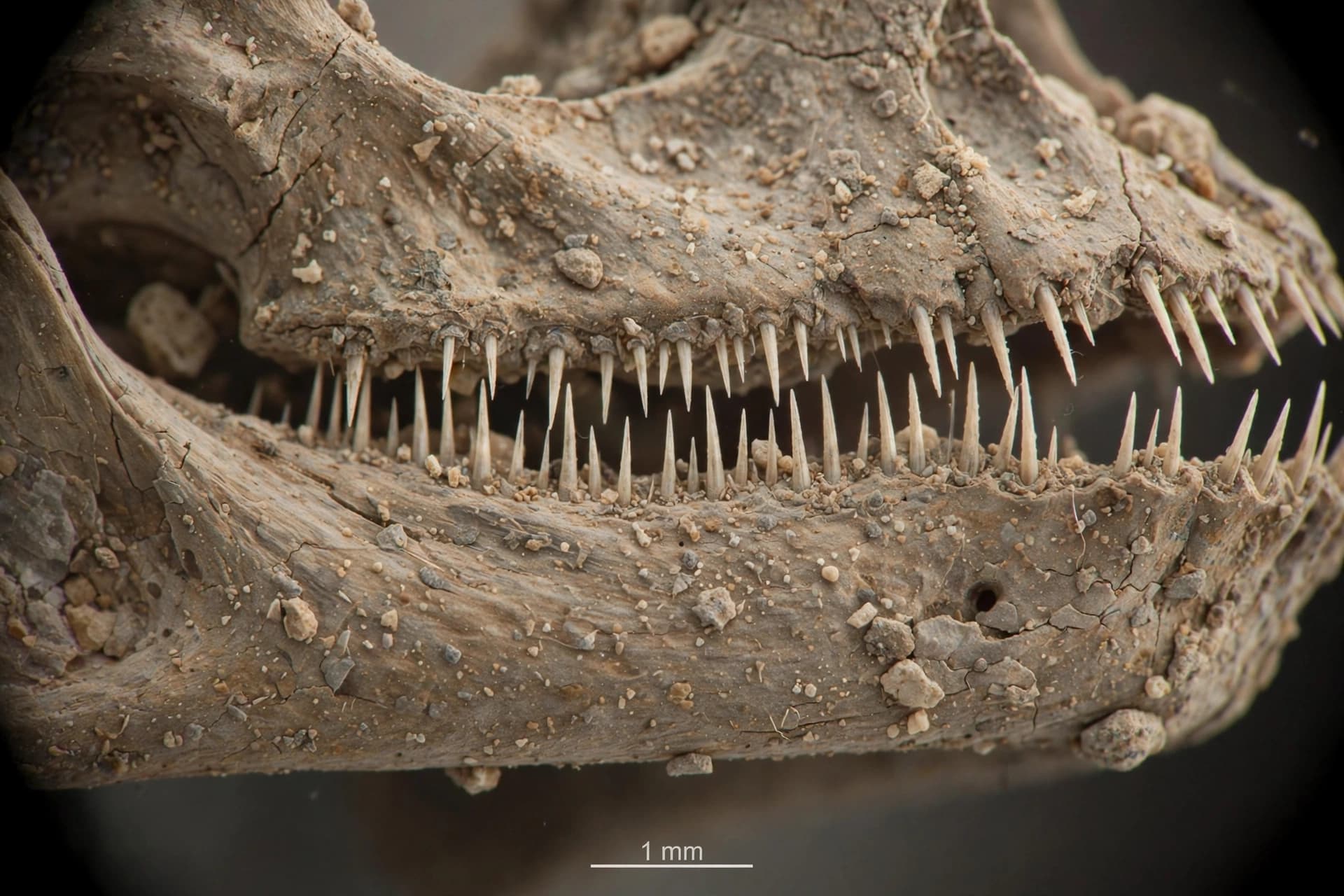
Researchers analyzed the microscopic structure of bone tissue from extinct crocodile relatives, known as pseudosuchians, which lived during the Triassic and Jurassic periods. Bone growth patterns can reveal metabolic rates; fast-growing, vascularized bone typically indicates high energy consumption and warm-bloodedness. The fossils showed signs of rapid growth and high metabolism, suggesting that these early ancestors maintained a constant body temperature, much like modern mammals and birds.
The shift to cold-bloodedness appears to have occurred after the Triassic-Jurassic extinction event, approximately 201 million years ago. This period of environmental upheaval wiped out many large predators and competitors, creating a vacuum that surviving species had to fill. As resources became scarce and climates fluctuated, the high energy demands of warm-bloodedness may have become a liability. Evolving toward ectothermy allowed these animals to survive on less food and endure longer periods of scarcity.
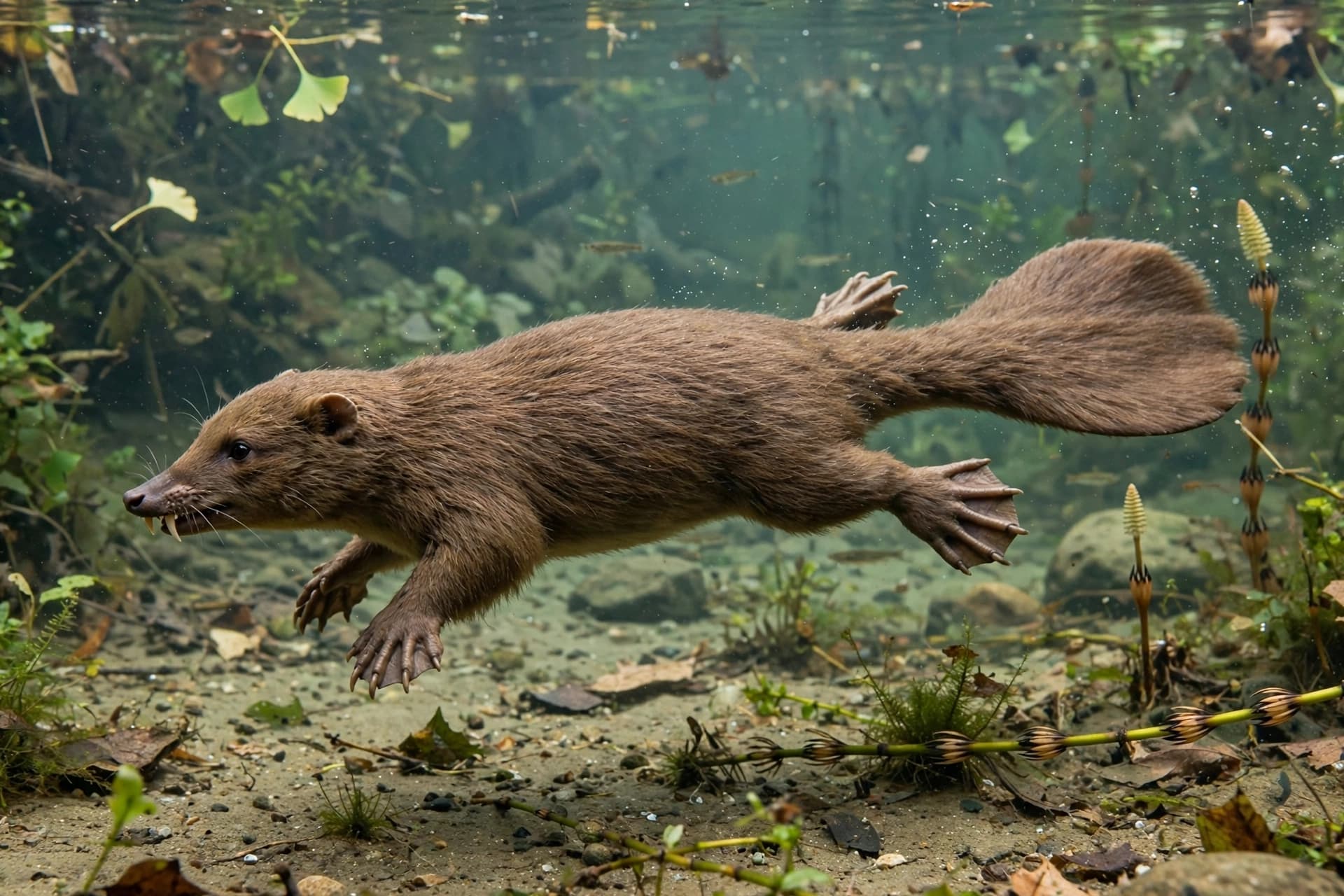
This evolutionary pivot highlights the flexibility of biological systems. Rather than being locked into a single metabolic strategy, early crocodilians adapted to changing circumstances. The transition to cold-bloodedness was not a regression but a strategic adjustment that ensured their longevity. It allowed them to occupy niches that warm-blooded predators could not, particularly in aquatic environments where heat retention is challenging.
The study challenges the traditional view of crocodiles as primitive or unchanged relics. Instead, it portrays them as dynamic organisms that underwent significant physiological transformations. Their current form is the result of millions of years of fine-tuning, shaped by the pressures of extinction and recovery. This perspective invites a deeper appreciation for their complexity and adaptability.
Understanding this history also provides insights into how modern ecosystems might respond to current climate changes. If ancient species could shift their metabolic strategies in response to environmental stress, it suggests that biological resilience is more nuanced than previously thought. However, the rate of current change may outpace the ability of many species to adapt, making conservation efforts critical.
The research methodology involved advanced imaging techniques and comparative analysis with living reptiles and mammals. By building a comprehensive database of bone histology, scientists can trace metabolic trends across deep time. This approach offers a powerful tool for reconstructing the physiology of extinct animals, bringing them to life in new ways.
As the study gains attention, it prompts further questions about other reptile lineages. Did turtles or lizards undergo similar shifts? The answers could reshape our understanding of vertebrate evolution as a whole. The story of the crocodile is thus not just about one group, but a chapter in the broader narrative of life’s persistence.
The discovery that ancient crocodiles evolved to be cold-blooded after a mass extinction adds depth to our understanding of their survival. It reminds us that evolution is a process of continuous adaptation, driven by the need to endure in a changing world. Today’s crocodiles are not just leftovers from the past, but successes of a long and complex journey.
AI Image Disclaimer: The images associated with this report are AI-generated visualizations created to provide context and should not be interpreted as documentary evidence.
Sources: Nature Communications Science Daily Smithsonian Magazine National Geographic Live Science
Published by Banx Network. This article is part of the Banx decentralized media programme, powered by the BXE token on the XRP Ledger.