

Key Highlights
- Damascus remains a focal point for political and security developments in Syria.
- Authorities emphasize public order amid ongoing diplomatic efforts.
- Millions of Syrians continue to require humanitarian assistance.
Damascus, one of the oldest continuously inhabited cities in the world, stands as a testament to resilience amid ongoing political and security challenges in Syria. As the capital, it is not only a historical symbol but also a current focal point for regional dynamics, particularly as the country navigates through a complex landscape of diplomacy and recovery.
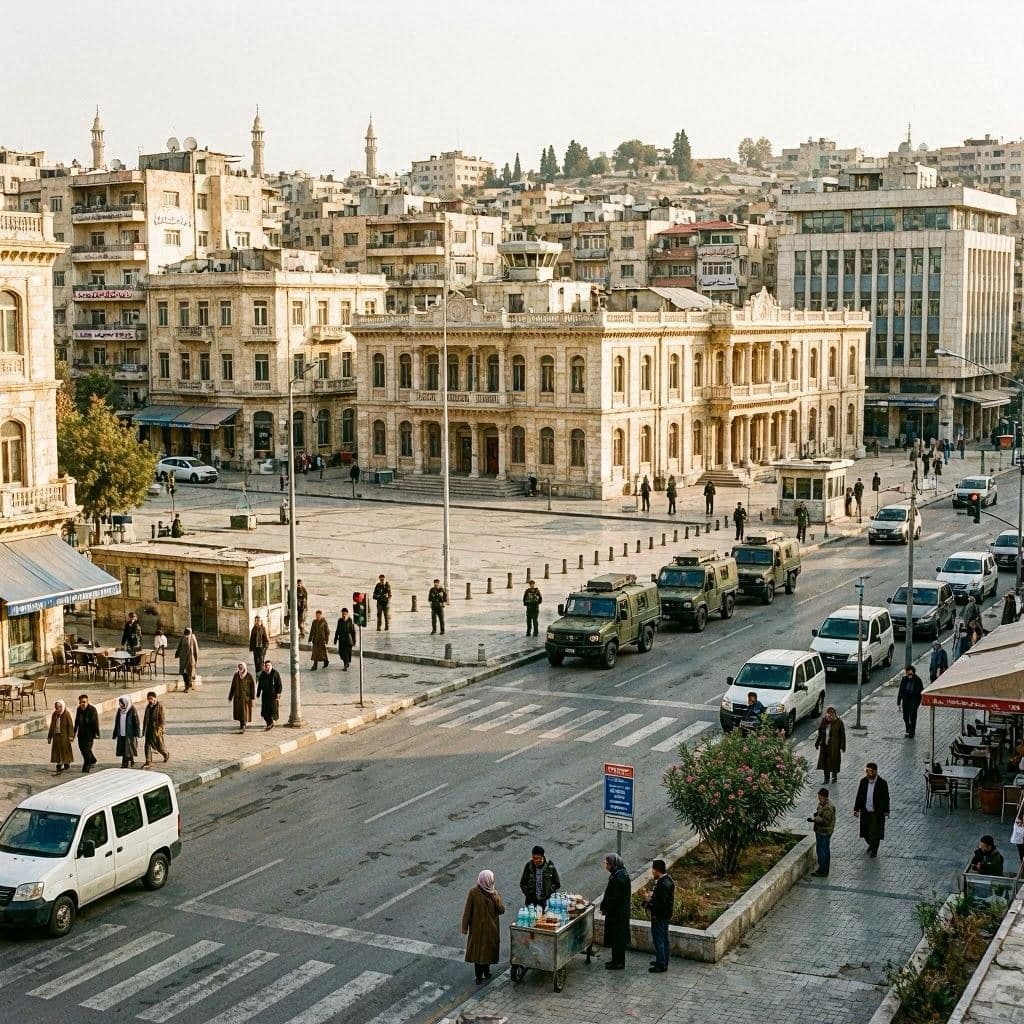
In recent weeks, the security situation in Damascus has drawn attention from both local authorities and international observers. Following significant developments involving government institutions, officials have reiterated the importance of maintaining public order. Security forces remain deployed in key areas of the city to ensure stability and protect vital public facilities. Despite the tense environment, daily life continues in many neighborhoods, although authorities remain vigilant against potential security threats.
The diplomatic landscape surrounding Syria is also evolving. Regional governments are engaged in discussions about the future of the country, focusing on humanitarian conditions, reconstruction, and long-term political stability. International organizations are actively encouraging dialogue and providing humanitarian assistance to communities affected by years of conflict. The need for coordinated efforts in addressing the humanitarian crisis is critical, as millions of Syrians still require support for basic needs such as healthcare, education, and housing.
Humanitarian agencies report that access to essential services remains a priority as recovery efforts gradually unfold across the country. The ongoing conflict has left a significant portion of the population in dire need of assistance, highlighting the urgency of international support and local initiatives aimed at rebuilding lives and communities.
Political analysts suggest that Syria's future hinges on sustained diplomatic engagement and domestic reconstruction efforts. Confidence-building measures, institutional recovery, and economic development are frequently cited as essential components for achieving long-term stability. The interplay between security and humanitarian needs is crucial, as restoring infrastructure and public services is closely linked to broader national recovery initiatives.
Security experts emphasize that maintaining public safety requires ongoing coordination among government institutions while respecting humanitarian obligations. The complexities of the situation in Damascus reflect the broader challenges faced by Syria as it seeks to navigate a path toward peace and stability.
As international observers continue to monitor developments in Damascus, the political decisions made in the capital are likely to influence regional dynamics. Neighboring countries remain engaged through diplomatic channels, aiming to promote dialogue and reduce tensions in the area. Authorities have indicated that monitoring and security measures will persist as diplomatic discussions progress, underscoring the commitment to a peaceful resolution despite the challenges ahead.
In conclusion, while Damascus faces significant hurdles, the ongoing efforts by authorities and international partners to foster dialogue and support humanitarian needs signal a cautious optimism for the future of Syria.
Published by Banx Network. This article is part of the Banx decentralized media programme, powered by the BXE token on the XRP Ledger.




