Key Highlights
- Dunedin's historic city center is undergoing seismic retrofitting to enhance safety.
- The retrofitting integrates modern steel into heritage masonry.
- The projects aim to preserve architectural character while meeting national standards.
Dunedin is a city built on the strength of stone and the conviction of those who believed in the permanence of their handiwork. Its streets are lined with the grand echoes of the Victorian and Edwardian eras, structures of heavy basalt and intricate limestone that suggest a world that is meant to last forever. However, in a land where the earth itself is prone to sudden, restless movements, even the strongest stone requires a helping hand to remain standing.
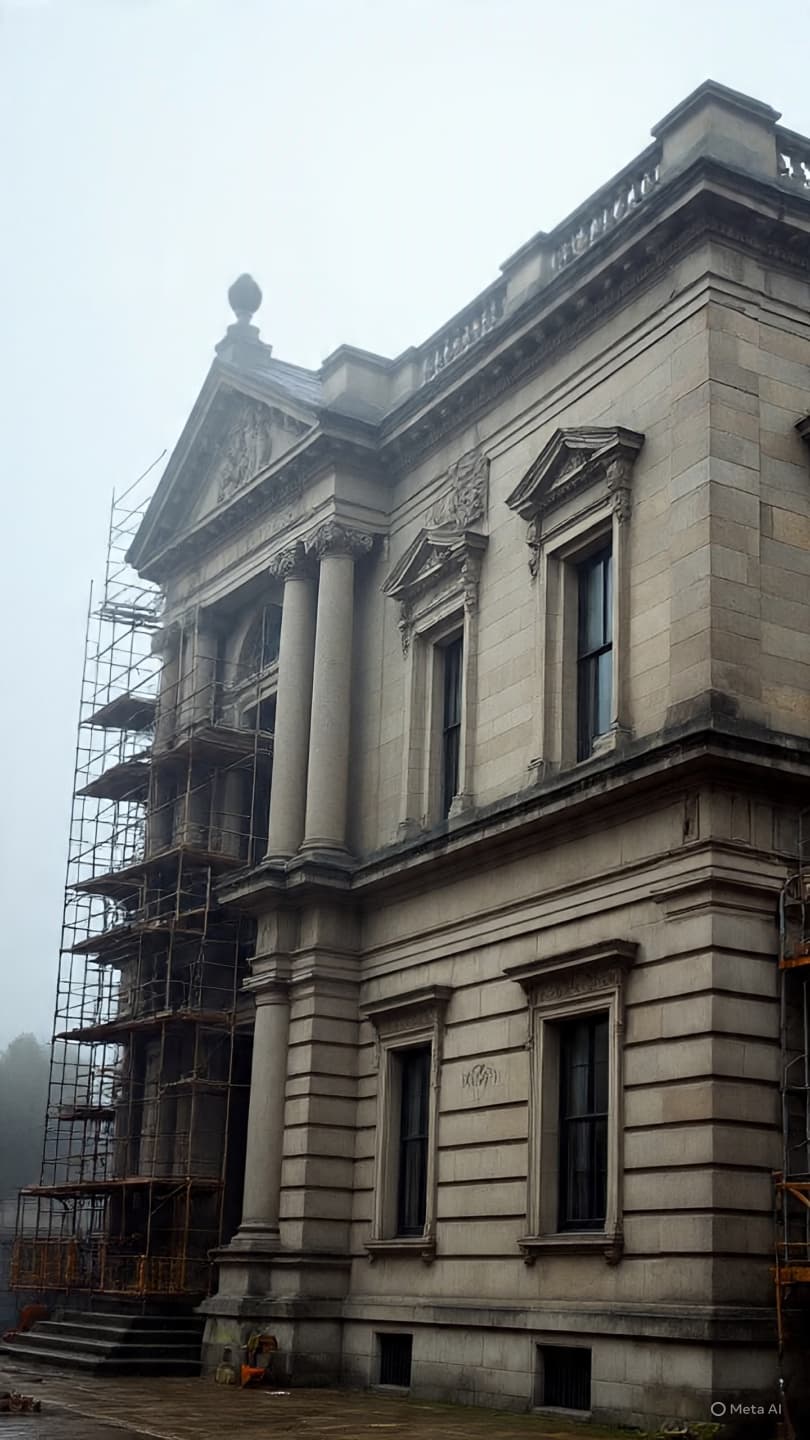
Currently, a quiet yet significant transformation is taking place behind the facades of these historic giants. This ongoing work of seismic retrofitting is a process of stitching the old bones of the city to the modern requirements of safety. To walk past a building undergoing this transformation is to witness the past being gently cradled by the future, as engineers find ways to reinforce the masonry without bruising its soul.
The retrofitting work is often invisible to the casual observer, hidden behind ornate cornices and within thick, cool walls. It involves the insertion of steel spines and the tensioning of anchors, a hidden geometry designed to absorb the energy of a tremor before it can tear the stones apart. This preservation of the spirit through the reinforcement of the physical demonstrates a commitment to keeping the city’s skyline intact.
There is a reflective melancholy in realizing that the very things we find beautiful are often the most vulnerable. The high ceilings, tall chimneys, and unreinforced brickwork are hallmarks of Dunedin’s character, yet they are also the first to tremble when the ground loses its footing. The strengthening projects acknowledge this vulnerability while refusing to let it dictate the city’s fate.
Artisans involved in this work speak of the buildings as if they are living entities, each with its own quirks and hidden weaknesses. They navigate cramped crawlspaces and dusty attics, searching for places where the past has begun to pull away from the present. This labor of love requires a deep respect for the original builders, even as they improve upon their work.
Dunedin has always valued its history, seeing its heritage buildings not as burdens but as the essential fabric of its identity. By investing in seismic resilience, the community ensures that future generations can walk these streets and feel the weight of the years. This act of intergenerational faith reflects a belief that these stones are worth the effort required to keep them still.
As the sun sets over the Octagon, the shadows of the spires stretch long across the pavement, appearing as solid and unchanging as ever. Yet, inside those walls, a new strength emerges—a hidden framework of modern steel ready to hold the line if the earth should ever choose to move. The city remains a monument to endurance, where history is not just remembered but actively protected.
The process of retrofitting is slow, expensive, and often disruptive to daily life, but it is the price of keeping the past alive in a changing world. As scaffolding comes down, buildings emerge unchanged in appearance yet fundamentally different in their core. They are now anchored to the earth with a confidence that matches the ambition of those who first laid the foundations.
Dunedin’s historic city center is undergoing extensive seismic retrofitting as property owners work to meet New Zealand’s stringent national building standards for earthquake resilience. These projects involve integrating modern structural steel into heritage masonry to preserve the architectural character of the city while significantly enhancing public safety.
Published by Banx Network. This article is part of the Banx decentralized media programme, powered by the BXE token on the XRP Ledger.