
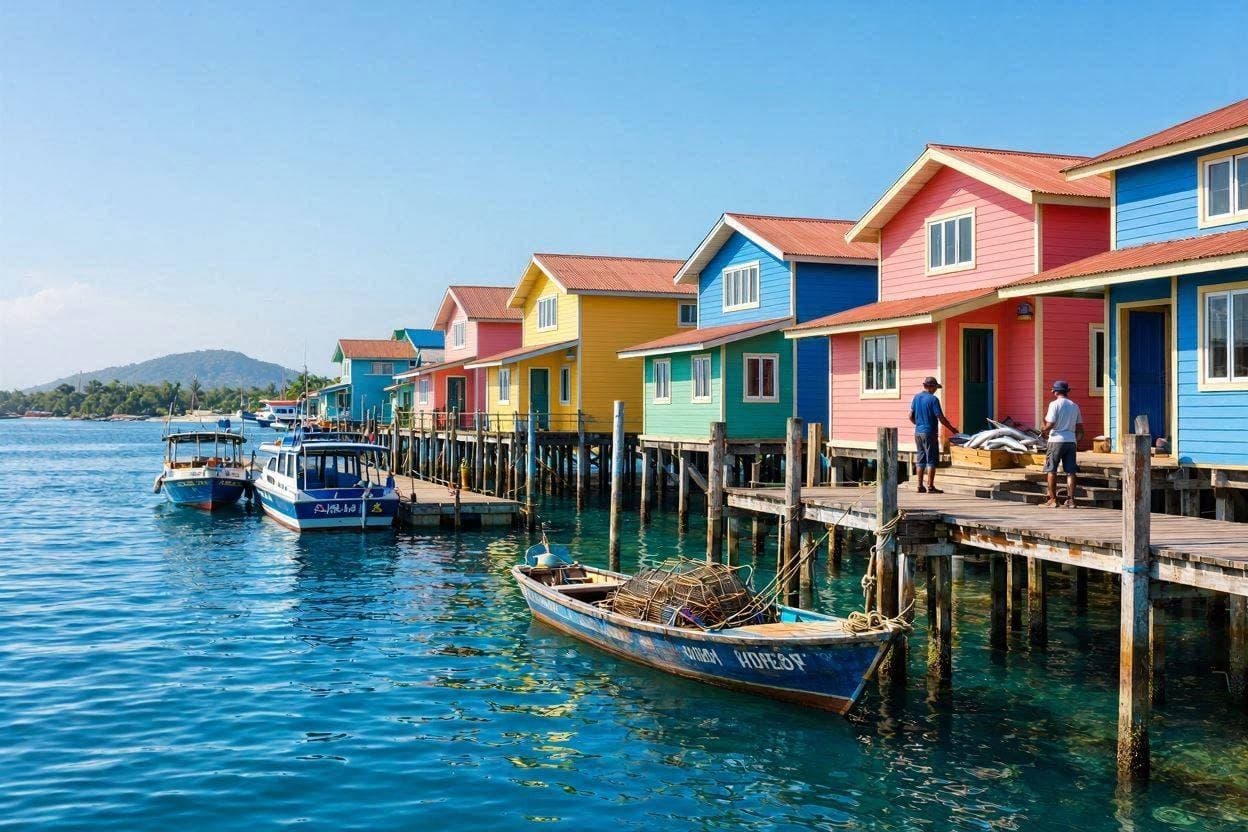
Key Highlights
- Initiative:Indonesia plans to establish 200 new fishermen's villages in Papua.
- Economic Impact:The project aims to modernize the fishing industry and improve local livelihoods.
- Sustainability:Environmental protections will be integrated to preserve marine resources.
The sea has always been both a provider and a boundary for the people of Papua, offering sustenance while isolating communities from the broader currents of development. In a bold move to transform this dynamic, the Indonesian government has announced plans to establish 200 new fishermen’s villages across the province. This initiative aims to empower local communities, modernize the fishing industry, and integrate Papua more closely into the national economy.
These planned villages are designed to be more than just clusters of homes; they are intended to be hubs of economic activity equipped with modern facilities. Each village will feature cold storage units, processing centers, and better docking infrastructure, allowing fishermen to preserve their catch and access wider markets. This upgrade addresses long-standing issues of post-harvest loss and limited bargaining power for local fishers.
The project is part of a larger strategy to unlock the potential of Papua’s vast marine resources. By investing in local infrastructure, the government hopes to increase productivity and income for fishing families, who have historically lived in poverty despite the abundance of the sea. The initiative also includes training programs to teach sustainable fishing practices and business management skills, ensuring that local fishers can thrive in a competitive market.
Socially, the establishment of these villages is expected to improve living standards by providing access to better healthcare, education, and clean water. Many current fishing settlements lack basic services, leading to poor health outcomes and limited opportunities for children. The new villages aim to rectify these disparities, offering a more dignified and secure lifestyle for residents.
Environmental sustainability is a key component of the plan. Authorities are working with marine experts to ensure that increased fishing activity does not deplete local stocks or damage coral reefs. Regulations on catch limits and protected areas will be enforced, balancing economic growth with ecological preservation. This holistic approach seeks to protect the marine environment for future generations while allowing local communities to benefit from their natural resources.
The selection of locations for the 200 villages is based on consultations with local communities and assessments of marine potential. Priority is given to areas with high fishing activity but low infrastructure development. Community leaders have been involved in the planning process to ensure that the designs meet local cultural and practical needs, fostering a sense of ownership and responsibility among residents.
Funding for the project comes from the national budget, with additional support from private sector partnerships. The government expects the initiative to create thousands of jobs, not only in fishing but also in logistics, processing, and tourism. This economic boost is seen as vital for reducing inequality and fostering stability in Papua, where economic opportunities have been historically limited.
The plan to build 200 fishermen’s villages in Papua represents a significant investment in human capital and regional development. By empowering coastal communities, Indonesia aims to turn the sea into a source of prosperity and pride for the people of Papua, ensuring that the benefits of development are shared equitably among all residents.
Published by Banx Network. This article is part of the Banx decentralized media programme, powered by the BXE token on the XRP Ledger.



