

Key Highlights
- Major airspace closures in the Middle East have disrupted global travel.
- Thousands of flights have been canceled or rerouted due to safety concerns.
- Passengers worldwide are facing delays and uncertainty in their travel plans.
Recent military strikes in the Middle East have triggered significant airspace closures, impacting some of the world's busiest air corridors. Major regional hubs, including Dubai, Abu Dhabi, Doha, Kuwait, and Bahrain, have temporarily halted civilian flight operations, resulting in an unprecedented calm over international airspace. This disruption has left travelers grappling with uncertainty as they navigate the complexities of altered flight schedules and canceled journeys.
Airlines have responded swiftly to the evolving situation, canceling thousands of flights and rerouting others to avoid conflict zones. Passengers planning to travel to or through the Middle East have found themselves stranded in airports, facing sudden cancellations and the daunting task of rebooking their travel. The ripple effects of these closures extend far beyond the region, affecting airlines and travelers across Europe, Asia, and beyond.
In Indonesia, for instance, major airports have experienced significant disruptions. Jakarta's flights to Middle Eastern destinations have been delayed or canceled, while Bali has seen over a thousand passengers affected by the sudden halt in services to the region. The impact of these airspace closures highlights the interconnectedness of global travel and the far-reaching consequences of geopolitical events.
Airlines operating in and out of the affected regions are navigating a complex landscape of safety concerns and evolving restrictions. Some carriers have temporarily suspended services, while others are adjusting their routes to circumvent closed airspace. This logistical challenge is compounded by the need for real-time updates, as the situation continues to evolve hour by hour.
Aviation authorities and ministries are urging passengers to stay informed and work directly with their airlines for the latest updates. The current disruptions serve as a stark reminder of how global travel is intricately linked to stability in the skies. As travelers await clearer signals from the region, they are encouraged to remain flexible and prepared for ongoing changes to their travel plans.
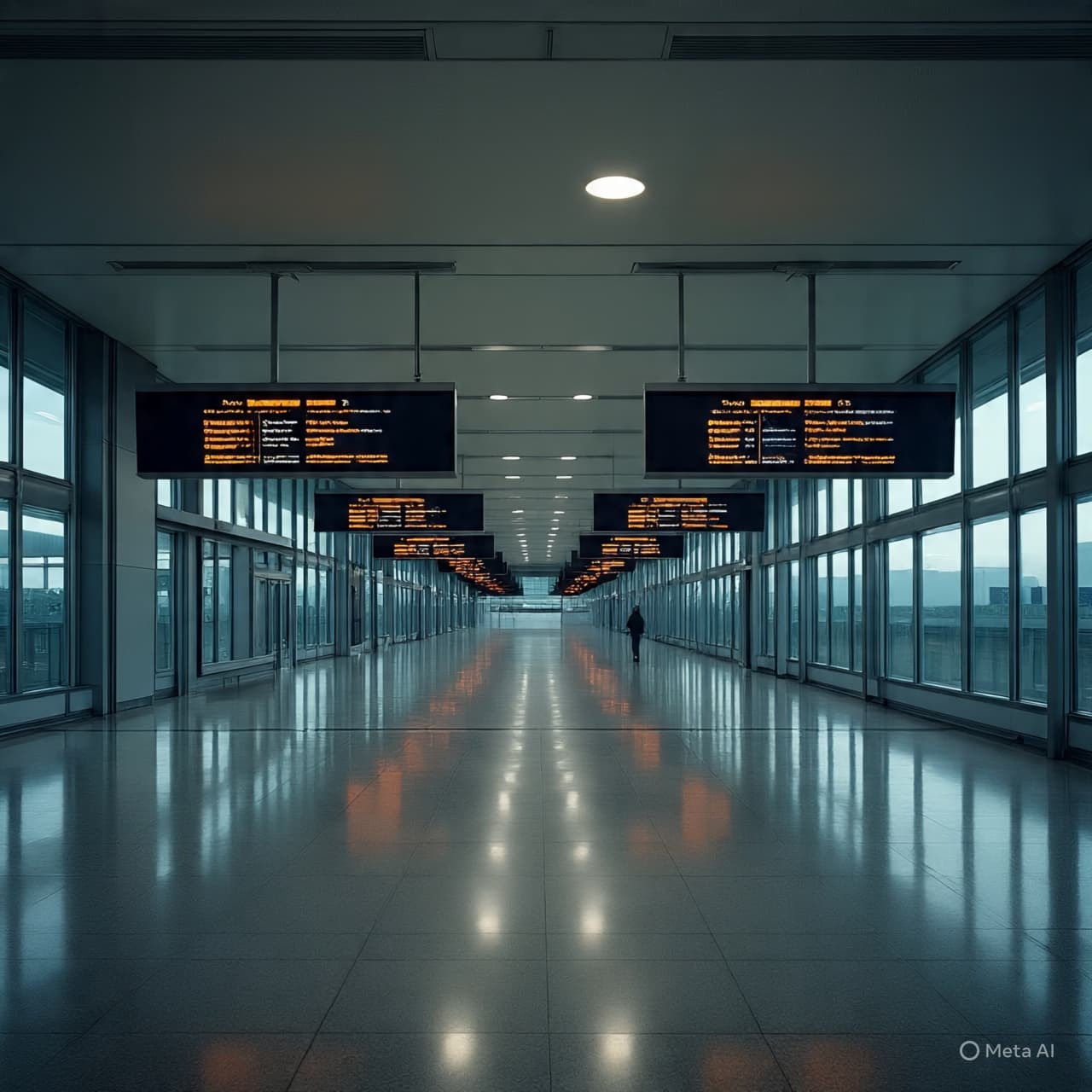
As the situation develops, airports that were once bustling with activity now stand quieter, reflecting the profound impact of distant conflicts on global travel patterns. The aviation industry is in a state of flux, and passengers must navigate this uncertainty with caution and adaptability.
Published by Banx Network. This article is part of the Banx decentralized media programme, powered by the BXE token on the XRP Ledger.




