
Key Highlights
- Ongoing Conflict:Sudan's army and RSF have been in a military stalemate for three years.
- Humanitarian Impact:Millions displaced and infrastructure severely damaged.
- Diplomatic Efforts:International mediation has yet to yield lasting results.
The conflict in Sudan has entered its third year, characterized by a military impasse between the Sudanese Armed Forces and the paramilitary Rapid Support Forces (RSF). This prolonged struggle has transformed from an initial surge of violence into a complex stalemate, where neither side can claim decisive control. The situation has created a landscape of uncertainty, particularly in urban centers like Khartoum, where the rhythm of life has been disrupted by ongoing conflict.
The dynamics of the conflict are shaped by the geographical and resource limitations faced by both factions. The Sudanese Armed Forces aim to reassert centralized authority across the country, while the RSF leverages its mobility and decentralized control to maintain influence in various regions. This tug-of-war has resulted in a fragmented control of urban areas, with shifts occurring street by street, building by building.
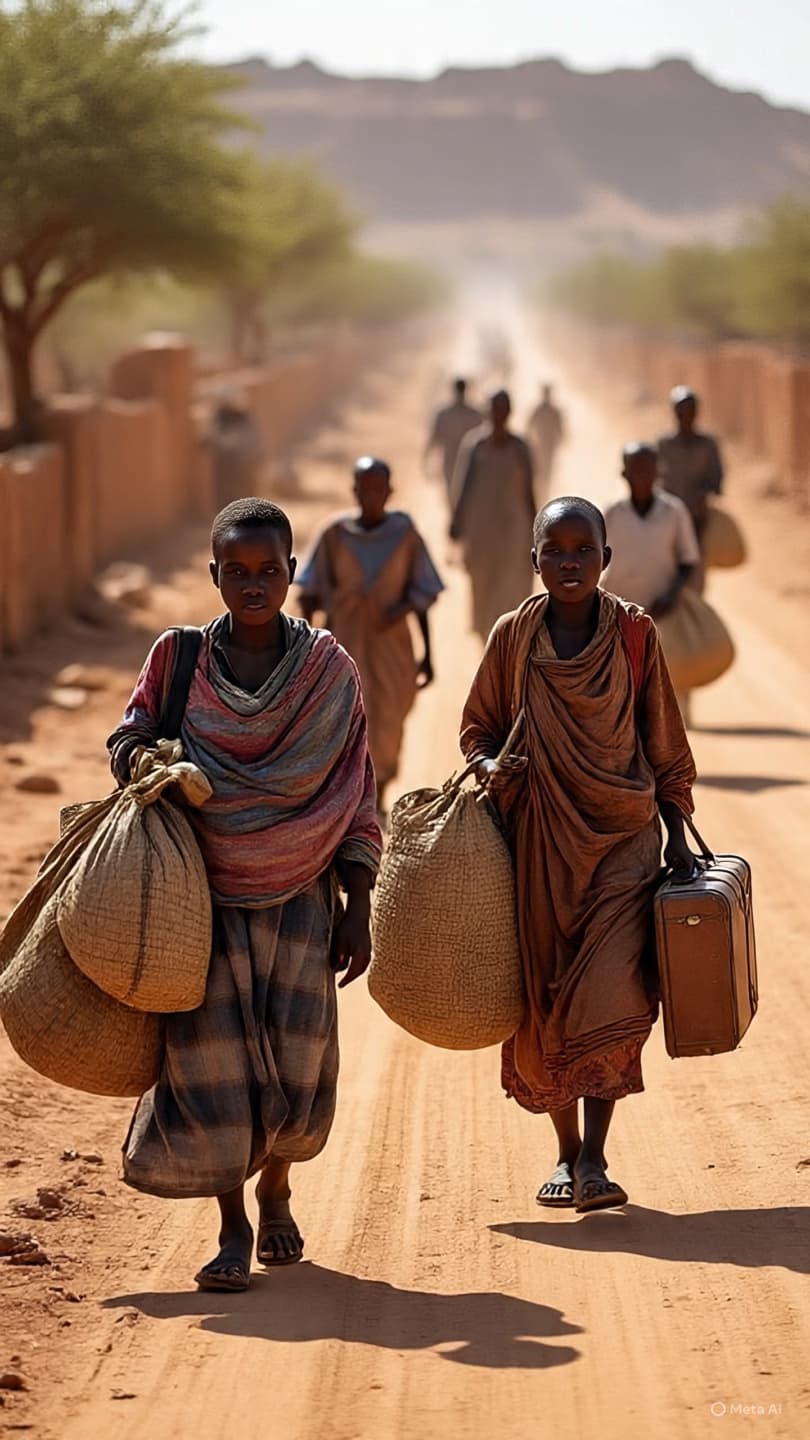
The human toll of this conflict is staggering. Millions of people have been displaced, either seeking refuge within Sudan or fleeing to neighboring countries. Basic services such as healthcare, water, and electricity have become increasingly unreliable, exacerbating the suffering of civilians. Despite these challenges, life continues in fragmented ways; markets reopen where possible, families adapt to new realities, and communities strive to maintain a semblance of normalcy amidst chaos.
International efforts to mediate the conflict have been sporadic and often lack the necessary momentum to effect change. Various regional and global actors have attempted to facilitate dialogue between the two sides, but the conditions for a sustainable resolution remain elusive. The conflict is deeply rooted in internal divisions, compounded by external influences, making straightforward pathways to peace difficult to navigate.
The broader implications of the conflict extend beyond Sudan's borders. As a nation situated at the crossroads of North and Sub-Saharan Africa, Sudan's stability is crucial for regional security. However, competing global priorities often lead to fluctuating international attention, with responses to the crisis arriving in waves rather than as a sustained focus.
As the third year of conflict unfolds, the stark realities persist. The Sudanese army and the RSF remain locked in a military stalemate, with neither side able to achieve a decisive advantage. The humanitarian crisis continues to deepen, with millions displaced and critical infrastructure in ruins. Diplomatic efforts have yet to produce a breakthrough, leaving the people of Sudan in a state of prolonged uncertainty.
In Khartoum, the dust settles once again, symbolizing the ongoing struggle and the sense of waiting that permeates the city. This moment, suspended between loss and the unknown, reflects the enduring nature of the conflict and the resilience of those who navigate its challenges daily.
Published by Banx Network. This article is part of the Banx decentralized media programme, powered by the BXE token on the XRP Ledger.



