Before dawn, when hotel corridors are usually hushed and elevators rest between floors, alarms can sound sharper than they should. In Calgary, more than 100 people were evacuated from a hotel after elevated levels of carbon monoxide were detected, turning an ordinary night’s stay into an urgent exit into the cold air.
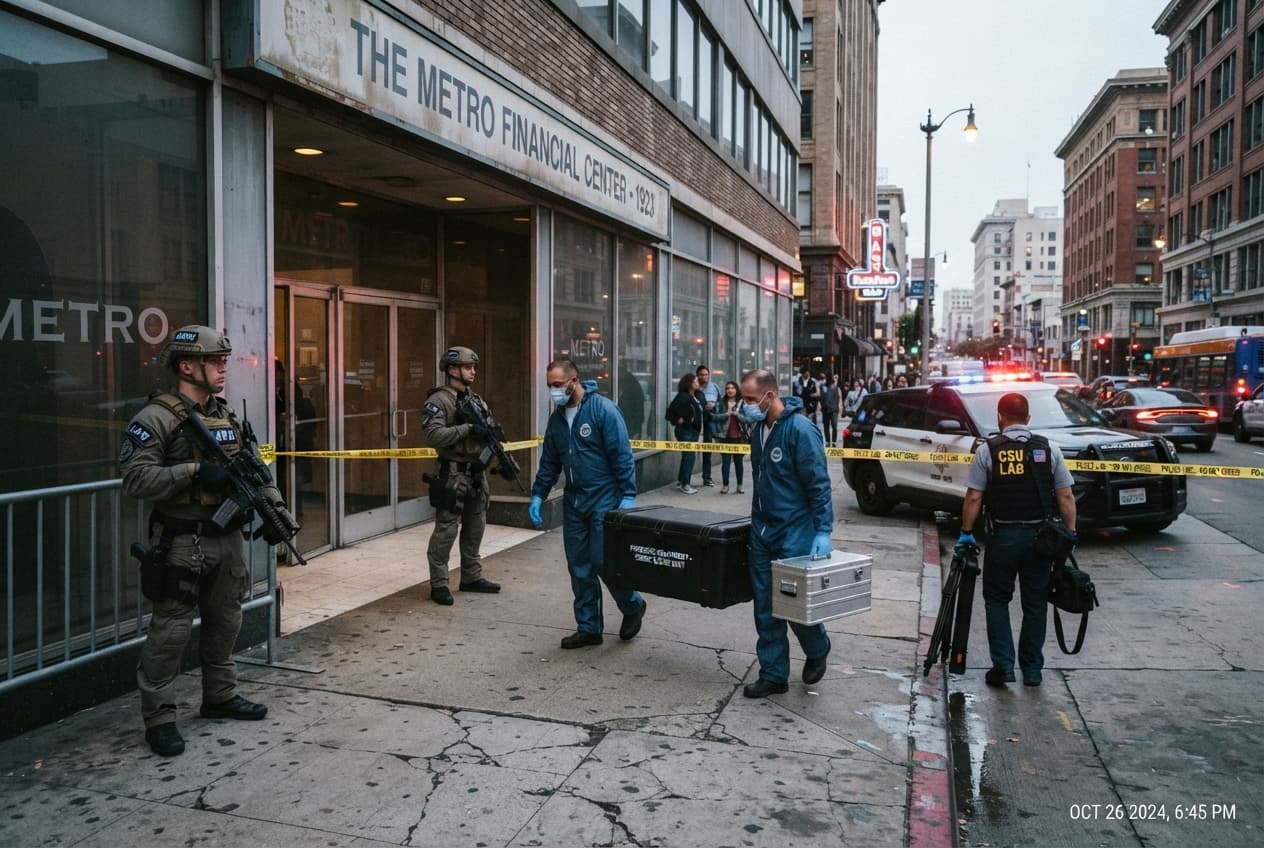
Emergency crews responded after reports indicated the presence of the odorless, colorless gas — a substance that can accumulate silently and pose serious health risks. Fire officials moved quickly through the building, directing guests and staff outside while they assessed air quality and ventilated the premises. Several individuals were evaluated at the scene, with authorities monitoring for symptoms such as headaches, dizziness, or nausea.
Carbon monoxide is produced by fuel-burning appliances and equipment when combustion is incomplete. In enclosed spaces, especially during colder months when heating systems are in heavy use, it can build without visible warning. Fire services across Canada routinely emphasize the importance of functioning detectors and regular maintenance to prevent precisely this kind of emergency.
Officials have not yet publicly detailed the source of the elevated readings, though investigations typically focus on heating systems, boilers, or other mechanical equipment. The building was cleared as crews worked to identify and address the issue. Guests waited outside or were temporarily relocated while conditions were stabilized.
The response involved members of the Calgary Fire Department, whose crews are trained to measure gas levels and ensure safe re-entry. Their work is often swift and methodical — checking floors, ventilating spaces, confirming that invisible risks have receded.
For travelers, a hotel room is meant to be a place of pause, a temporary shelter from movement. That sense of safety can feel fragile when disrupted by sirens and flashing lights. Yet the outcome in this case appears to have been preventative rather than tragic, a reminder that early detection and rapid response can alter the course of an incident.
By morning, Calgary’s streets returned to their familiar rhythm. The hotel’s facade stood unchanged against the skyline. But for those who gathered outside in the night air, the experience underscored how something unseen can demand attention — and how vigilance, in the form of alarms and trained responders, quietly guards against what cannot be smelled or seen.
AI Image Disclaimer
Visual representations were generated using AI and are intended for illustrative purposes only.
Sources
CBC News CTV News Calgary Herald Calgary Fire Department
Published by Banx Network. This article is part of the Banx decentralized media programme, powered by the BXE token on the XRP Ledger.