The solar system is often imagined as a familiar neighborhood, a collection of worlds bound together by gravity and history. Yet from time to time, a visitor arrives from far beyond its boundaries. Such encounters are rare, brief, and scientifically valuable. The recently observed object known as 3I/ATLAS has become one of the most intriguing travelers ever detected passing through our cosmic surroundings.
Astronomers have confirmed that 3I/ATLAS is only the third known interstellar object observed moving through the solar system. Unlike planets, asteroids, and most comets that orbit the Sun, interstellar objects originate elsewhere in the galaxy and merely pass through before continuing their journeys.
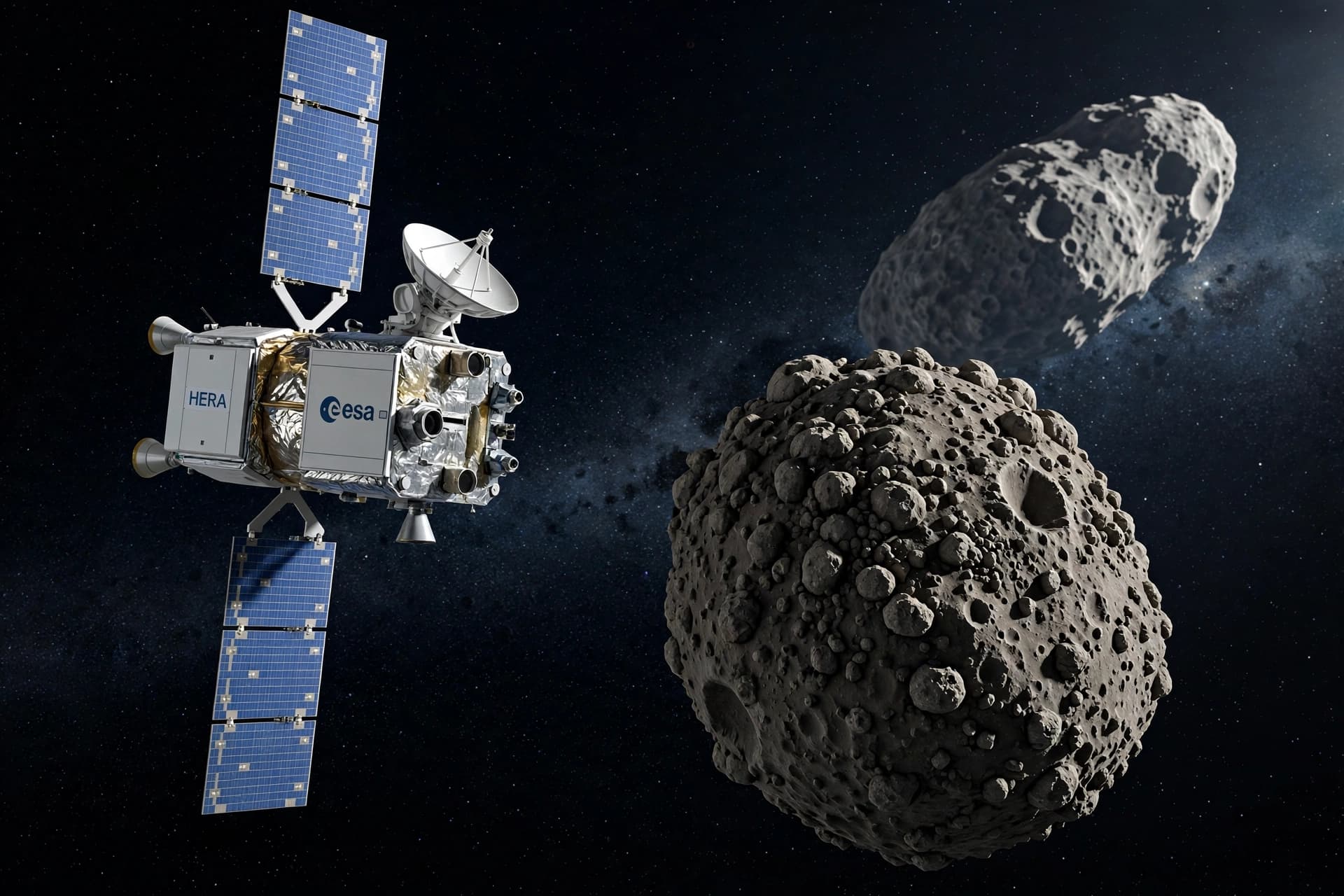
Observations from the have provided researchers with new details about the object's composition. Data indicate that the surrounding coma contains unusually high levels of carbon dioxide compared with many previously studied comets.
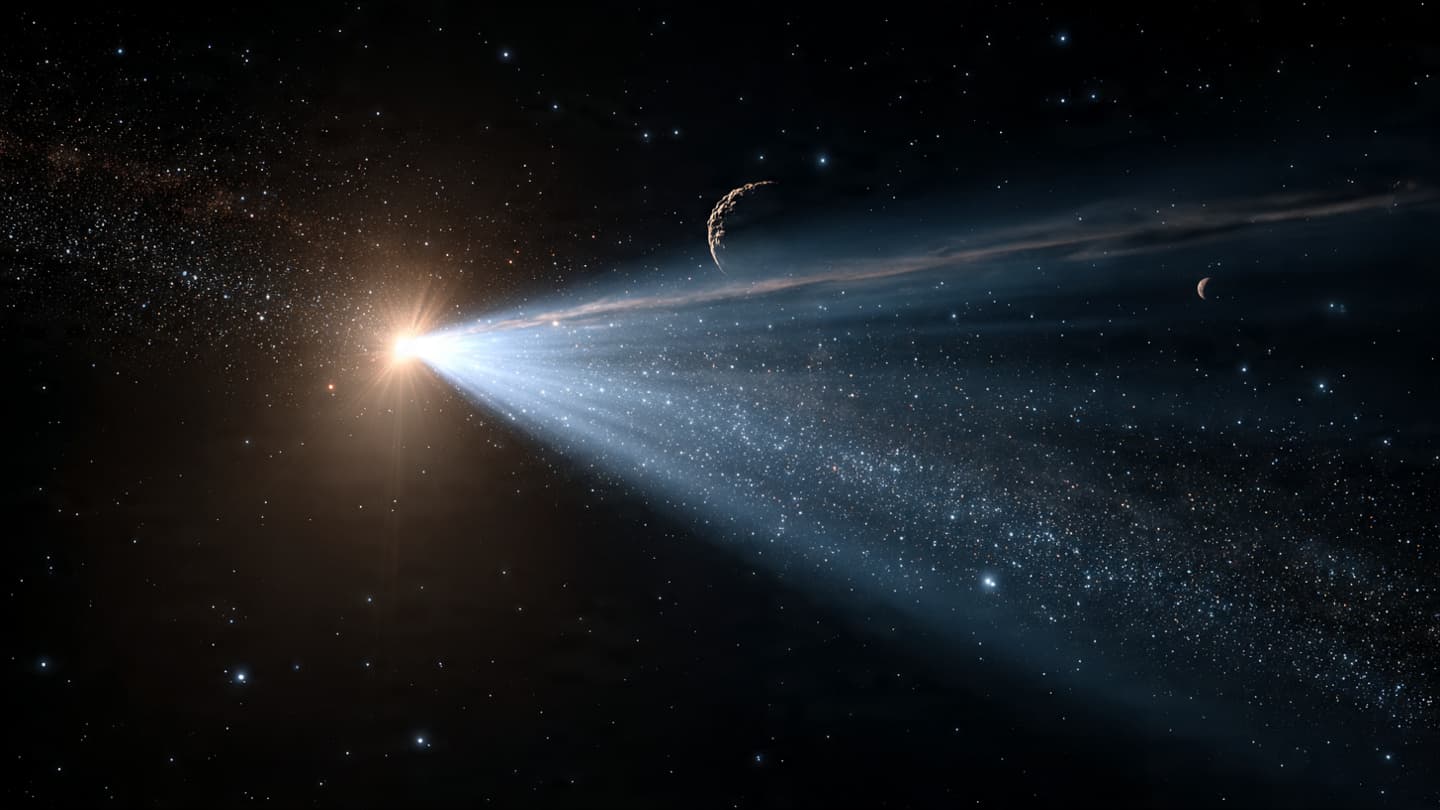
The coma forms when volatile materials are heated as an object approaches the Sun. Gas and dust escape from the surface, creating a temporary atmosphere that can reveal clues about composition and origin. For astronomers, such emissions function like a record of conditions that existed long ago and far away.
Researchers are especially interested in suggestions that 3I/ATLAS could be older than the Sun itself. If confirmed through further analysis, the object may preserve information from an era predating the formation of our solar system approximately 4.6 billion years ago.
Because interstellar visitors are so uncommon, every observation opportunity carries significant scientific value. Advanced telescopes across the world and in space are collecting data while the object remains accessible to study.
Scientists hope the measurements will improve understanding of how planetary systems form throughout the galaxy. By comparing interstellar objects with bodies native to our solar system, researchers can identify similarities and differences in their chemical histories.
Unlike recurring comets that periodically return, 3I/ATLAS is expected to pass through only once. Its trajectory will eventually carry it away from the Sun and back into interstellar space, where it will continue traveling between the stars.
For now, astronomers are making the most of a fleeting encounter. The observations gathered during this passage may provide insights that endure long after 3I/ATLAS disappears into the vast darkness beyond the solar system.
AI Image Disclaimer: The illustration associated with this report is AI-generated and designed solely to depict the astronomical concepts described.
Source Verification Check: NASA European Space Agency (ESA) Nature Space.com The Astrophysical Journal
Published by Banx Network. This article is part of the Banx decentralized media programme, powered by the BXE token on the XRP Ledger.