The night sky often appears timeless, yet every celestial object carries a story shaped by cosmic history. Occasionally, an object arrives from beyond our solar system, offering scientists a rare opportunity to study materials formed in distant regions of the galaxy.
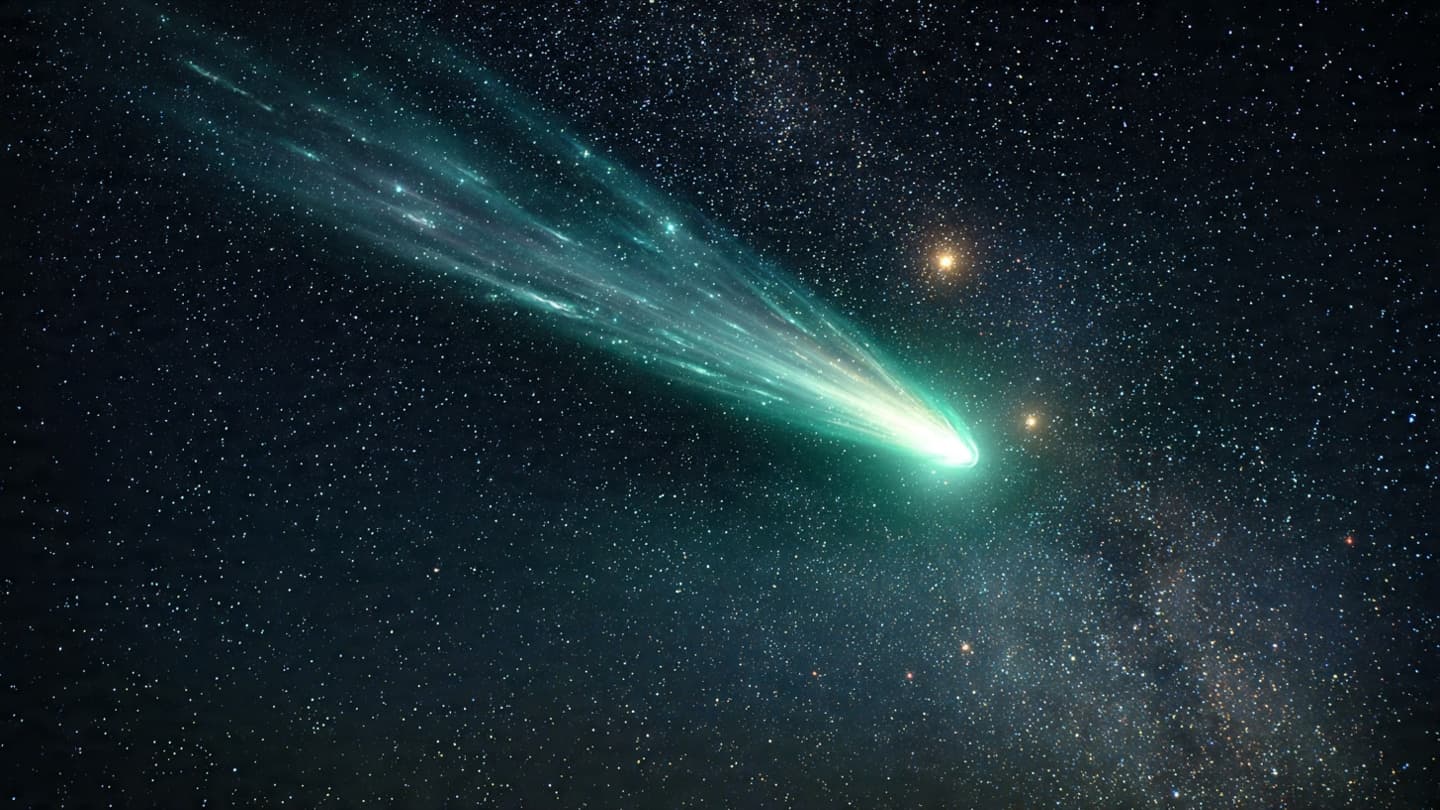
Astronomers studying the interstellar comet known as 3I/ATLAS believe the object may be as old as 12 billion years. If confirmed, the estimate would make the comet one of the oldest objects ever observed passing through our solar system.
The comet was identified through ongoing sky surveys designed to detect potentially hazardous objects and transient astronomical phenomena. Early observations indicate that 3I/ATLAS originated outside the solar system, joining a small but growing list of known interstellar visitors.
Researchers are particularly interested in the object's isotopic composition and chemical characteristics. These properties may preserve information about conditions that existed during the early stages of the Milky Way's formation.
Unlike comets formed within our solar system, interstellar objects provide direct samples of material originating around distant stars. Scientists view such visitors as valuable natural archives containing information about planetary systems far beyond our own.
Preliminary studies suggest that 3I/ATLAS may have formed during a period when the galaxy was considerably younger. However, astronomers emphasize that additional observations will be necessary to refine age estimates and confirm the object's origin.
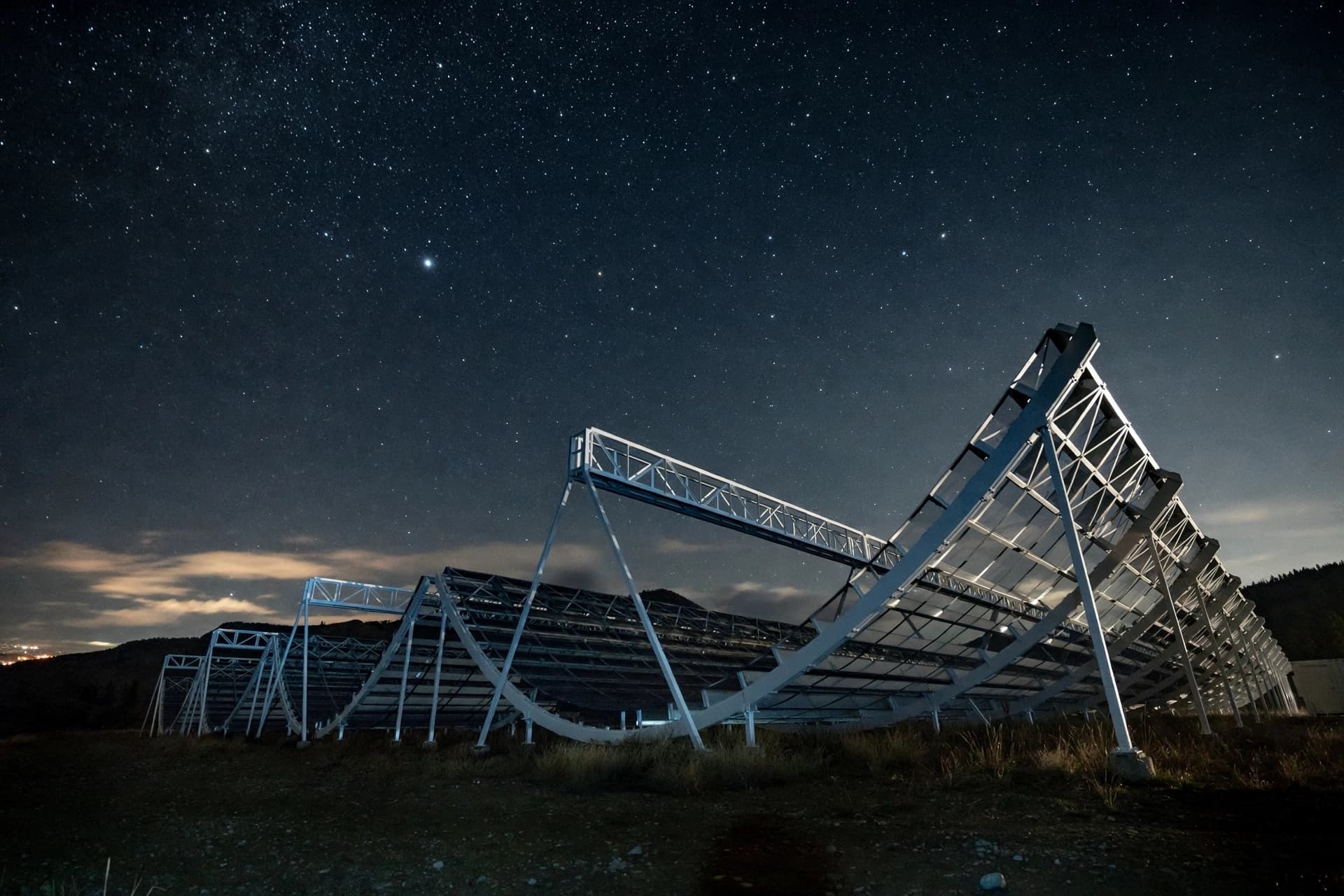
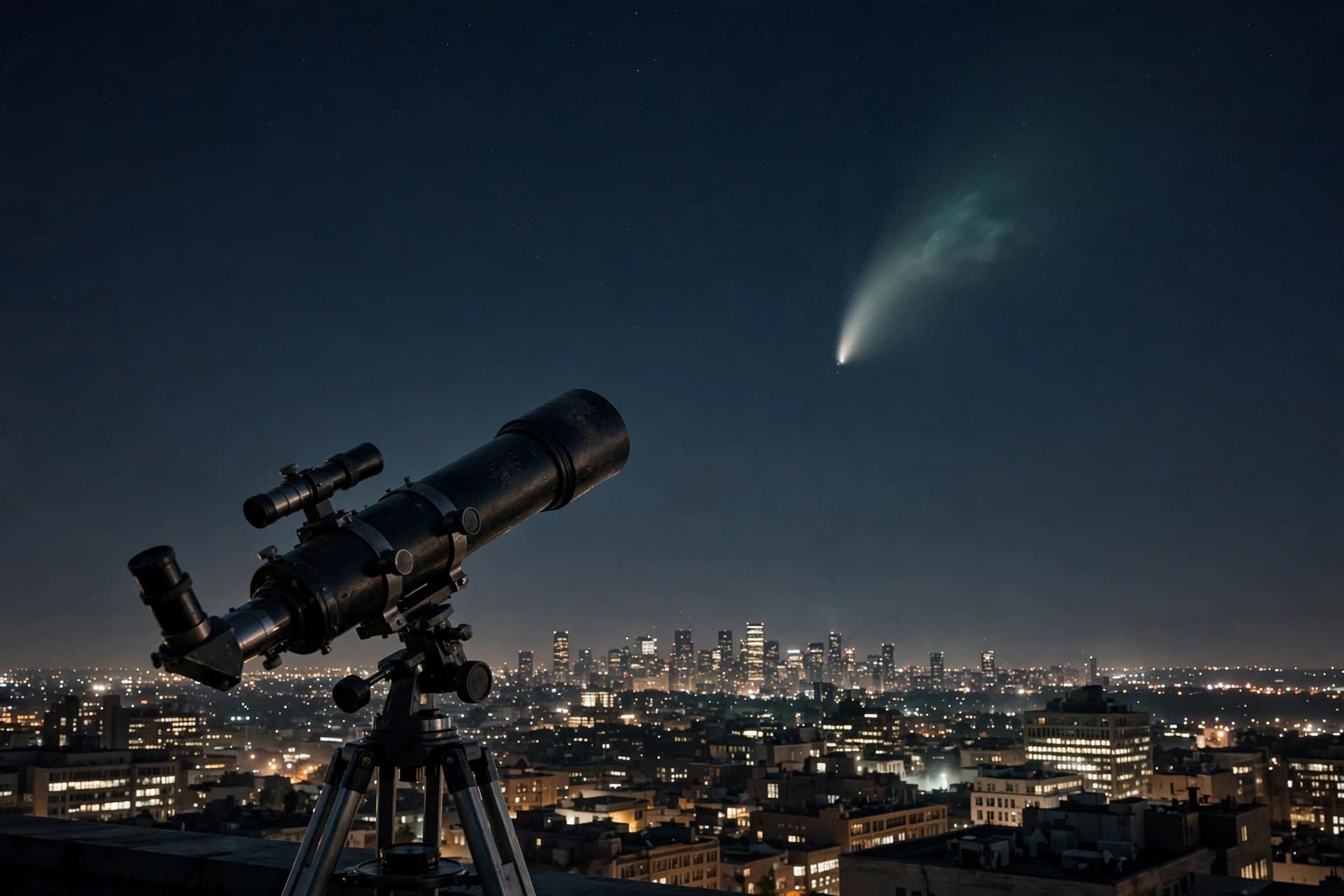
Observatories around the world are currently tracking the comet using both ground-based and space-based instruments. International collaboration has become essential for gathering sufficient data during the relatively brief period in which the object remains observable.
The discovery highlights the growing capabilities of modern astronomical surveys. Improvements in telescope technology and automated detection systems are enabling researchers to identify more interstellar objects than ever before.
As scientists continue monitoring 3I/ATLAS, the ancient traveler may offer a rare glimpse into a chapter of cosmic history that predates the birth of our own solar system.
AI Image Disclaimer: The visual illustrations associated with this article were generated by AI to represent scientific observations and astronomical concepts.
Sources (verification check): Sci.News, NASA, Space.com, Nature
Published by Banx Network. This article is part of the Banx decentralized media programme, powered by the BXE token on the XRP Ledger.