

Key Highlights
- Proposal for a population cap of ten million in Switzerland.
- Advocates cite infrastructure strain and preservation of rural life.
- Critics warn of potential negative impacts on labor and economy.
Switzerland, renowned for its breathtaking Alpine landscapes, is at a crossroads as it contemplates a significant proposal that could reshape its demographic future. This year, Swiss citizens are preparing to vote on a measure that would impose a population ceiling of ten million, a decision that transcends mere numbers and delves into the essence of national identity and sustainability. The proposal has emerged from a grassroots movement, gathering signatures across various cantons, reflecting a growing concern about the pressures of population growth on the country's infrastructure and quality of life.
Proponents of the cap argue that the current trajectory of population growth threatens to overwhelm the delicate balance that has long characterized Swiss life. They point to crowded public transport systems, strained healthcare facilities, and the gradual encroachment of urbanization into rural areas as evidence of a system under stress. In picturesque valleys where farms cling to steep hillsides and communities have thrived for generations, advocates see the cap as a necessary measure to preserve the tranquility and charm of Swiss villages. They envision a future where the pace of life remains manageable, and the natural beauty of the landscape is safeguarded for future generations.
However, the debate is far from one-sided. Critics of the proposed cap caution that such a strict limit could have unintended consequences for the Swiss economy and society. They highlight the vital role that foreign workers play in various sectors, from healthcare to technology, arguing that a population ceiling could disrupt labor markets and hinder economic growth. Switzerland's success has historically been tied to its openness and ability to attract talent from around the globe, and many fear that a cap could stifle this dynamic. The voices of dissent remind the nation that its strength lies in diversity and the connections forged beyond its borders.
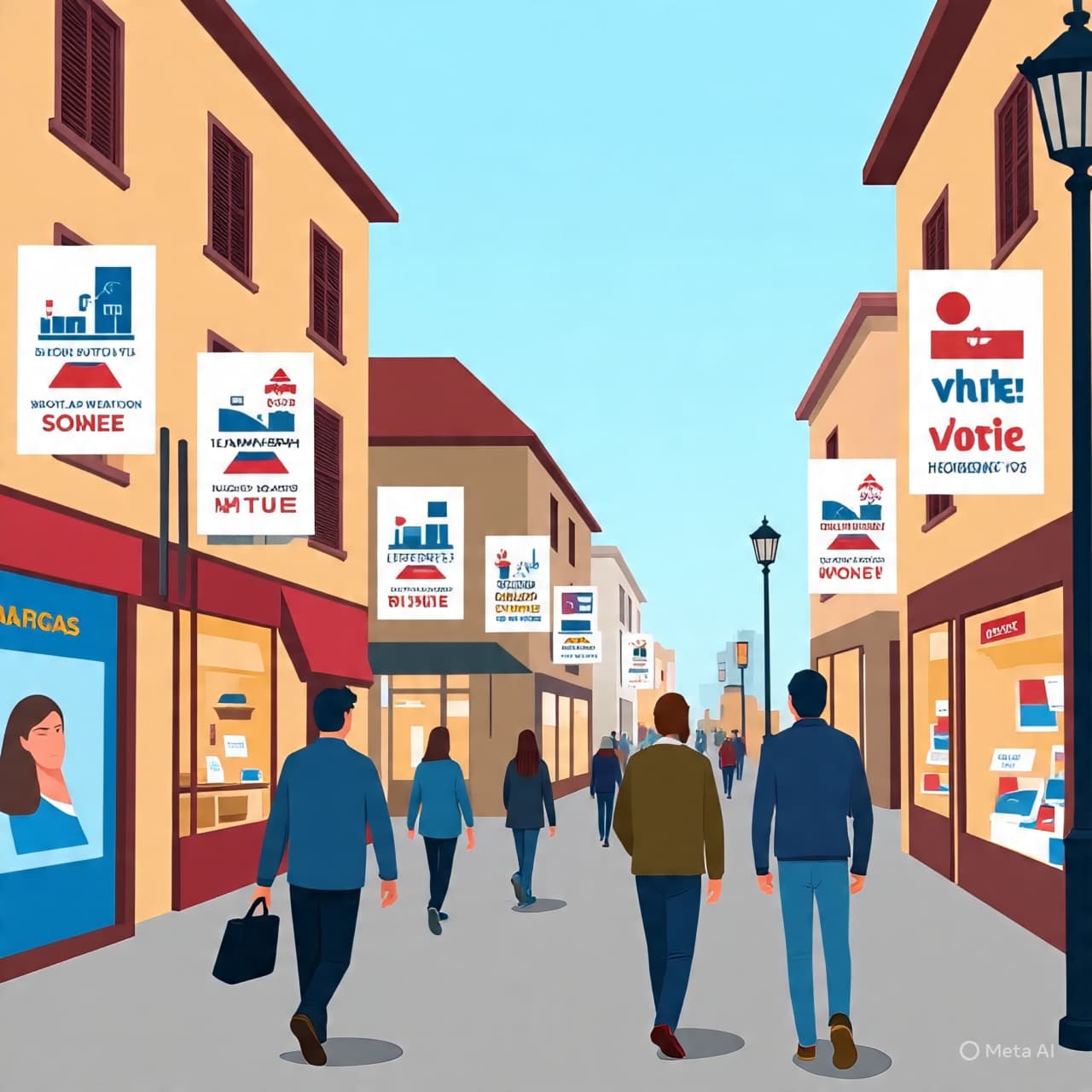
As discussions unfold in towns and cities across the country, the implications of the proposed cap resonate deeply within Swiss society. For some, it represents a necessary step towards sustainability and preservation of their way of life. For others, it raises fundamental questions about identity, inclusivity, and the future of a nation that has thrived on its ability to adapt and evolve. The debate is not merely about numbers; it is a reflection of how Switzerland perceives itself and its place in an increasingly interconnected world.
With the vote approaching this summer, the outcome will likely reverberate through the fabric of Swiss life. It will influence not only the demographic landscape but also the cultural and social dynamics that have shaped the nation for centuries. As citizens prepare to cast their ballots, they are faced with a choice that will define the future of their communities and the character of their country. The decision will echo through the valleys and peaks, shaping the narrative of Switzerland for generations to come.
Published by Banx Network. This article is part of the Banx decentralized media programme, powered by the BXE token on the XRP Ledger.




