The late afternoon light in the West Bank lingers softly over olive groves and terraced hills, settling into the folds of the land as if reluctant to leave. Dust rises in thin spirals along narrow roads where cars pass slowly, and the air carries the mingled scents of earth and woodsmoke. In villages scattered across the hills, daily life moves with a quiet resilience — shopkeepers counting change, children drifting home before dusk. It was in this landscape, layered with memory and dispute, that a 19-year-old Palestinian American lost his life.
According to Palestinian officials and witnesses, the teenager was shot and killed during an incident involving Israeli settlers. The confrontation reportedly unfolded near a village in the occupied West Bank, an area where tensions between Palestinian residents and Israeli settlers have flared repeatedly in recent years. Palestinian health authorities confirmed the death, identifying the victim as a U.S. citizen of Palestinian descent.
Witnesses described a chaotic scene in which armed settlers were present near agricultural land. Accounts indicate that shots were fired during the confrontation, though details remain contested. The Israeli military has said it is reviewing the circumstances of the incident, noting that violence in the area has increased amid broader regional strain.
The United States has acknowledged the reports and said it is seeking additional information. The State Department, in statements following the incident, confirmed awareness of the death of a U.S. citizen and extended condolences to the family, while declining to comment on specific investigative steps. When American nationals are killed abroad, U.S. officials typically engage with local authorities to gather facts and determine next steps, though jurisdiction remains with the country where the incident occurred.
The West Bank has long been a landscape where proximity can harden into friction. Israeli settlements, considered illegal under international law by much of the international community — a characterization Israel disputes — are interspersed among Palestinian towns and farmland. In recent months, rights groups have documented a rise in settler-related violence, alongside broader clashes connected to the ongoing conflict in Gaza and heightened security operations across the territory.
For families in the village, the loss has settled like evening shadow. Nineteen years is an age often measured in beginnings — university plans, first jobs, journeys between identities. The young man, described by relatives as visiting extended family, moved between two worlds, carrying an American passport alongside his Palestinian heritage. That dual identity now threads into diplomatic conversations as well as private grief.
Israeli authorities have said that law enforcement bodies are examining the event. In previous cases involving settler violence, investigations have drawn scrutiny from human rights organizations, which argue that accountability has been inconsistent. Israeli officials maintain that crimes committed by civilians are subject to legal process and that investigations proceed according to established procedures.
As night falls over the hills, lights flicker on in both settlements and villages, illuminating homes separated by fences and fields. The terrain itself remains unchanged — olive trees rooted deeply, stone walls tracing boundaries older than modern politics. Yet the atmosphere carries the weight of another name added to a long ledger of loss.
In official terms, the facts are still forming: a 19-year-old Palestinian American killed, witnesses pointing to settlers, authorities reviewing the case, U.S. officials requesting clarity. Beyond those statements lies a quieter reckoning — how lives that straddle borders can become entangled in conflicts not of their making. The land endures, seasons turning as they always have. But for one family, and for a community already familiar with mourning, the horizon has shifted, and the evening light feels different now.
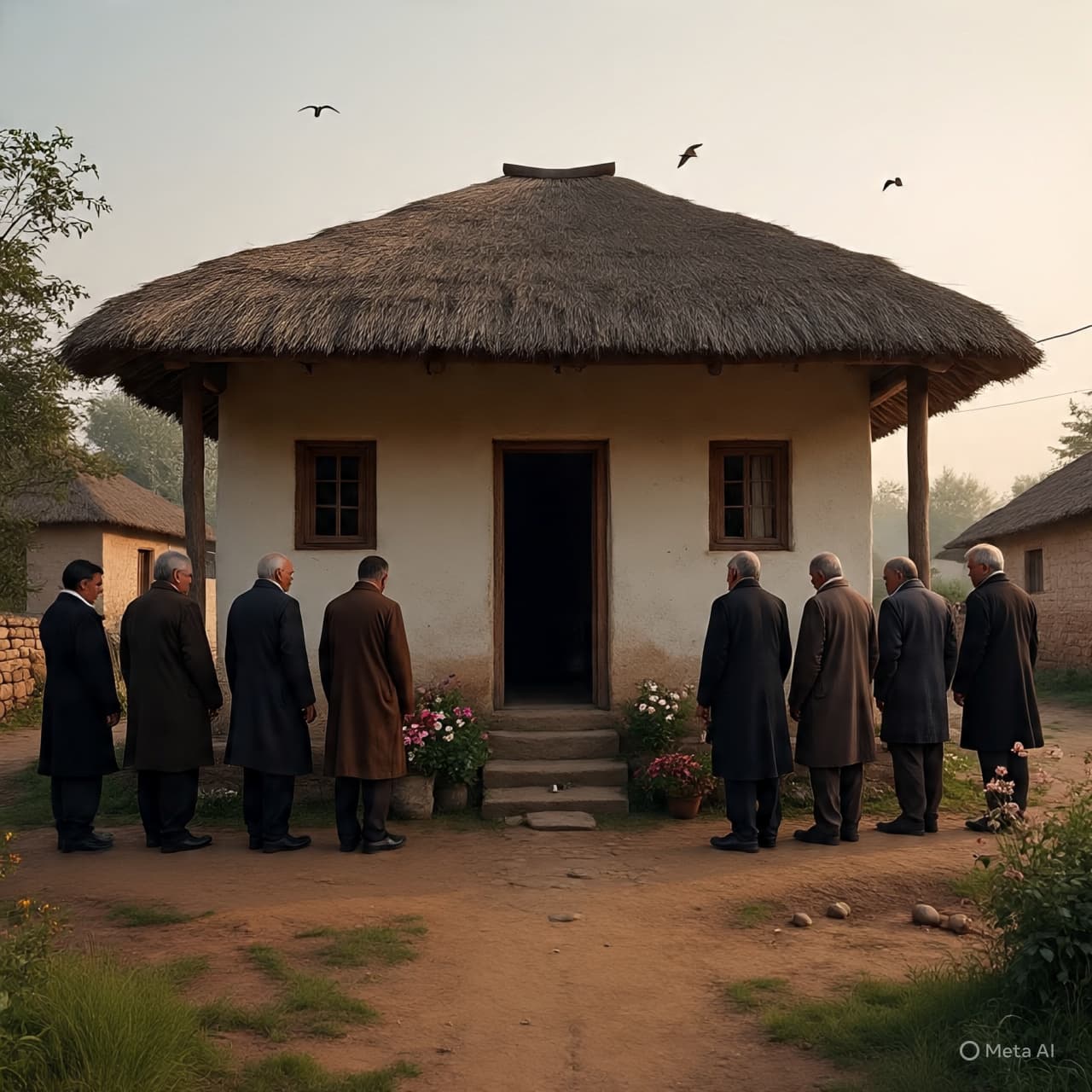
AI Image Disclaimer Visuals are AI-generated and serve as conceptual representations.
Sources Reuters The Associated Press BBC News Al Jazeera U.S. Department of State
Published by Banx Network. This article is part of the Banx decentralized media programme, powered by the BXE token on the XRP Ledger.