
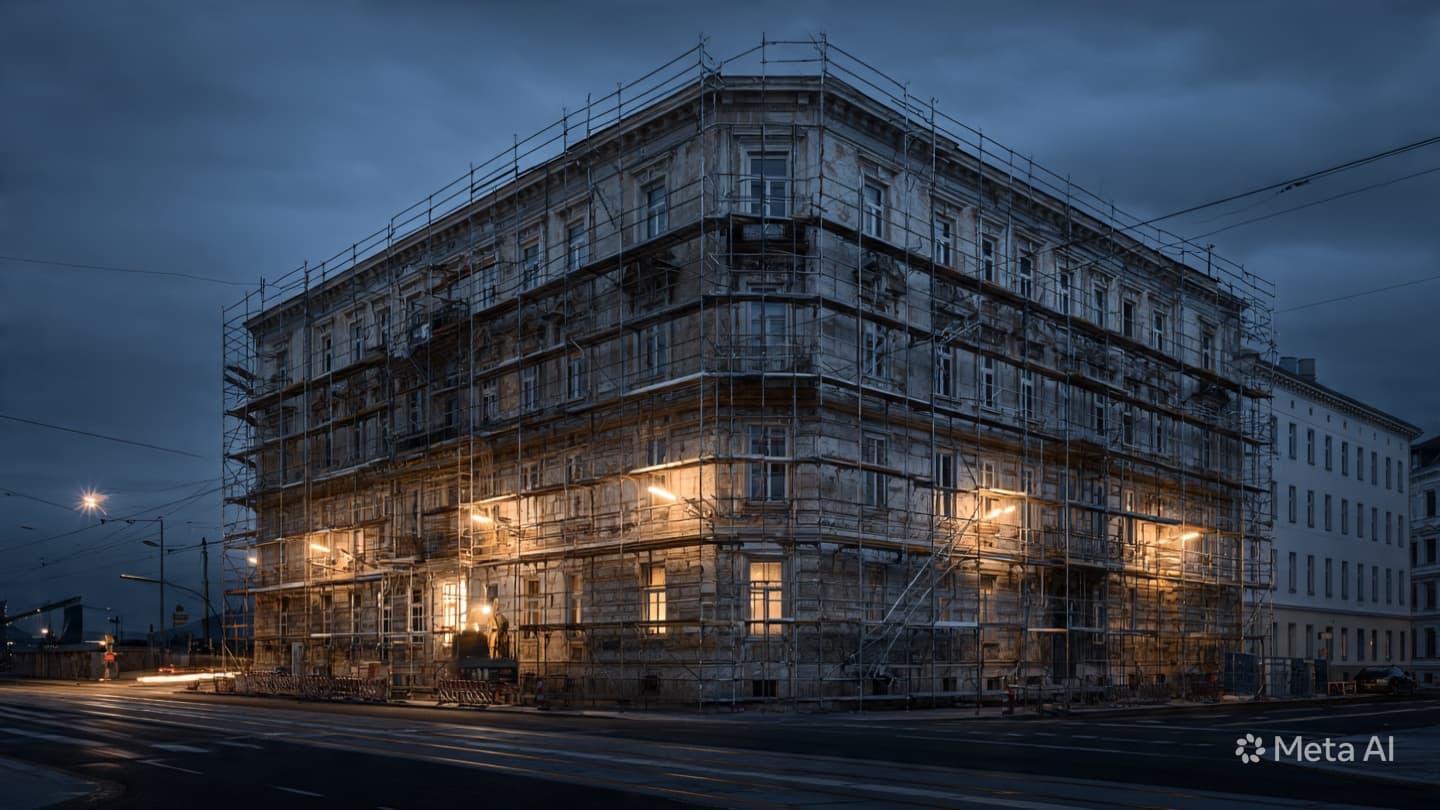
The city of Hong Kong is a vertical marvel, a labyrinth of steel and glass where every floor and corridor is a testament to density and human ambition. In this environment, the spaces we inhabit are held together by a fragile web of regulations, maintenance, and the unseen vigilance of those tasked with ensuring safety. When a fire tears through these interconnected lives, the tragedy often feels amplified by the sheer proximity of neighbors, leaving behind a profound sense of loss that reverberates through the concrete canyons of the metropolis.
The recent tragedy that unfolded during a building renovation project has cast a long, somber shadow over the neighborhood, forcing a collective reflection on the integrity of our shared structures. As the flames were extinguished and the smoke cleared, the reality of the situation began to emerge, not merely as an accident of circumstance, but as a failure of the systems designed to protect. The loss of lives within that burning structure has become a painful catalyst for a deeper examination of corporate and individual responsibility.
Within the bustling heart of the city, where renovation work is a constant, rhythmic occurrence, safety is often treated as a background requirement rather than a primary obligation. The transition from a site of labor to a site of mourning is a jarring reminder of how quickly the mundane can turn catastrophic. When the protocols intended to prevent such disasters are bypassed or ignored, the resulting silence in the aftermath is filled with the difficult questions of culpability and the pursuit of justice for those who never made it out.
The legal response, surfacing in the form of charges against five individuals connected to the project, represents a measured step toward addressing these failures. It is a sombre process that moves beyond the initial shock of the fire to interrogate the decisions—or lack thereof—that allowed a hazardous situation to manifest. For the families affected, the judicial proceedings are not merely about assigning blame; they are an attempt to impose a sense of order on the senseless, to find clarity in the dark wake of the disaster.
Building renovations are intended to improve and secure, yet in this instance, they became the epicenter of a profound vulnerability. The investigation points toward the complexities of subcontracting and the dilution of oversight, issues that are often buried beneath the surface of urban development. This tragedy invites a broader contemplation on how much trust we place in the hands of those who manage our physical environment and the gravity of the consequences when that trust is betrayed.
As the legal wheels begin to turn, the city remains a place of motion, though perhaps tempered by a newfound awareness of the hazards lurking in the shadows of construction sites. The narrative of this event is now etched into the city’s history, a somber lesson on the necessity of rigorous adherence to safety standards. The individuals now facing charges occupy a precarious space in this story, their actions—or failures to act—under the clinical scrutiny of the law, far removed from the heat of the fire but tied to it inextricably.
In the quiet corridors of the courthouse, the emphasis shifts from the immediate violence of the blaze to the steady, analytical pursuit of accountability. This transition is essential, moving from the visceral reaction of community grief to the structured resolution of the legal system. It is here that the focus remains on the standard of care that should have been present, a standard that, when neglected, turns a site of progress into a scene of irreparable devastation.
While the city will continue to rise and reform itself, the memory of this fire serves as a stark, reflective marker of the human cost of oversight. The five individuals charged stand at the center of this dialogue, their legal fate mirroring the city's broader struggle to balance the relentless pace of renovation with the imperative of public safety. As the case progresses, the hope remains that the lessons learned from these ashes will eventually provide a more secure foundation for the millions who reside within these high-density walls.
Five individuals have been formally charged by Hong Kong law enforcement following a fatal fire that occurred during a building renovation. The investigation revealed significant lapses in fire safety compliance and site management, contributing to the tragedy. The accused, who held various roles related to the renovation project, face charges involving endangerment and failure to maintain essential safety systems. The legal process is now underway, with the court set to examine the specific breaches of protocol that led to the loss of life.
Published by Banx Network. This article is part of the Banx decentralized media programme, powered by the BXE token on the XRP Ledger.
.jpg&w=3840&q=75 "Blake Lively Awarded $400,000 in Legal Fees After Justin Baldoni Lawsuit Dismissed")

