

Key Highlights
- Global trade remains resilient despite geopolitical tensions.
- Sectors like technology and renewable energy show strong growth.
- Companies are diversifying supply chains to mitigate risks.
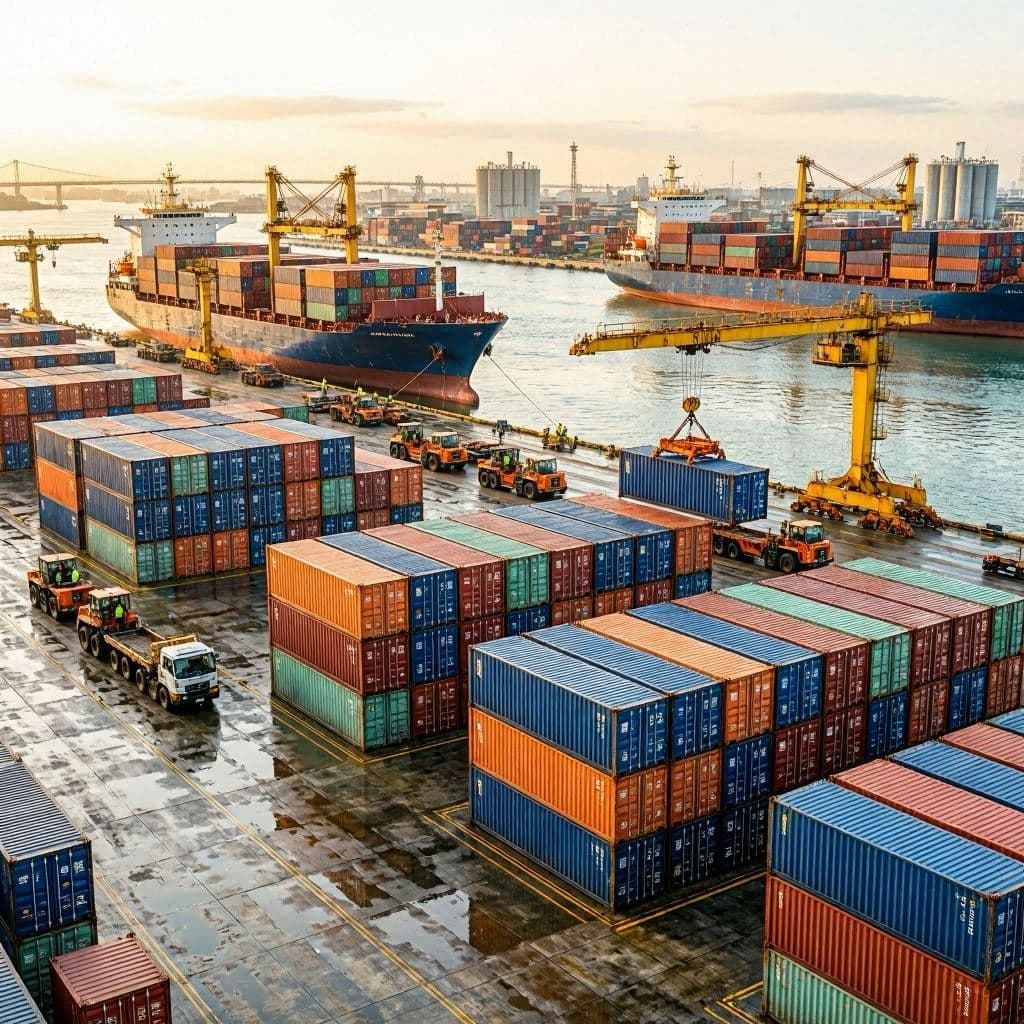
Global commerce often resembles a vast river system, flowing across borders, adapting to obstacles, and finding new channels when old routes become difficult. In recent years, that river has encountered wars, diplomatic disputes, and economic uncertainty, yet it continues to move forward.
Recent economic assessments indicate that global trade has remained relatively resilient despite increasing geopolitical tensions. While conflicts and diplomatic frictions have created new challenges, international commerce continues to expand in several sectors, supported by strong demand for technology, energy, and manufactured goods. According to the World Trade Organization, global trade volumes have shown a surprising ability to withstand shocks, with growth rates projected to stabilize in the coming quarters.
Economists note that businesses have become increasingly adaptable following years of disruption caused by the pandemic, regional conflicts, and supply chain interruptions. Many companies have diversified suppliers and adjusted logistics networks to reduce vulnerability. This shift towards flexibility has been crucial in maintaining trade flows, particularly in sectors that are rapidly evolving, such as digital technologies and renewable energy.
Trade flows involving digital technologies, artificial intelligence infrastructure, and renewable energy components have shown particularly strong growth. These sectors are increasingly shaping the future direction of international commerce, with investments pouring into green technologies and AI-driven solutions. Analysts predict that these trends will continue to drive demand and innovation in the global marketplace.
At the same time, geopolitical concerns remain significant. Ongoing conflicts, sanctions, and strategic competition among major powers continue to influence investment decisions and trade patterns across multiple regions. The recent tensions in Eastern Europe and the Middle East have raised alarms about potential disruptions in key trade routes, prompting businesses to reassess their strategies.
Several multinational corporations have adopted what analysts describe as a "de-risking" strategy. Rather than fully withdrawing from certain markets, companies are spreading production and sourcing activities across a wider range of countries. This approach not only mitigates risks associated with specific regions but also enhances overall supply chain resilience.
International organizations continue to emphasize the importance of open markets and predictable trade rules. Policymakers argue that stable trading relationships can help support economic growth even during periods of political tension. The WTO has been vocal about the need for cooperation among nations to ensure that trade remains a driver of global economic recovery.
Nevertheless, experts caution that resilience should not be mistaken for immunity. Unexpected geopolitical developments could still disrupt transportation corridors, energy supplies, or financial markets. The interconnected nature of global trade means that a crisis in one region can have ripple effects worldwide.
For now, global trade appears to be demonstrating an enduring capacity to adapt. As history has often shown, commerce tends to seek continuity, even when the broader political landscape remains uncertain. The ability of businesses to pivot and innovate in response to challenges will be critical in shaping the future of international trade.
Published by Banx Network. This article is part of the Banx decentralized media programme, powered by the BXE token on the XRP Ledger.




