

Key Highlights
- Renewed Fighting:Intense clashes between Myanmar's military and armed groups.
- Humanitarian Crisis:Thousands displaced, facing worsening conditions.
- Diplomatic Efforts:Limited progress in achieving peace and stability.
In many parts of Myanmar, daily life continues beneath the shadow of uncertainty. Villages, towns, and communities that once followed familiar rhythms now navigate a landscape shaped by prolonged conflict and fragile hopes for peace. The situation has escalated significantly since the military takeover in 2021, leading to a complex web of violence and humanitarian challenges.
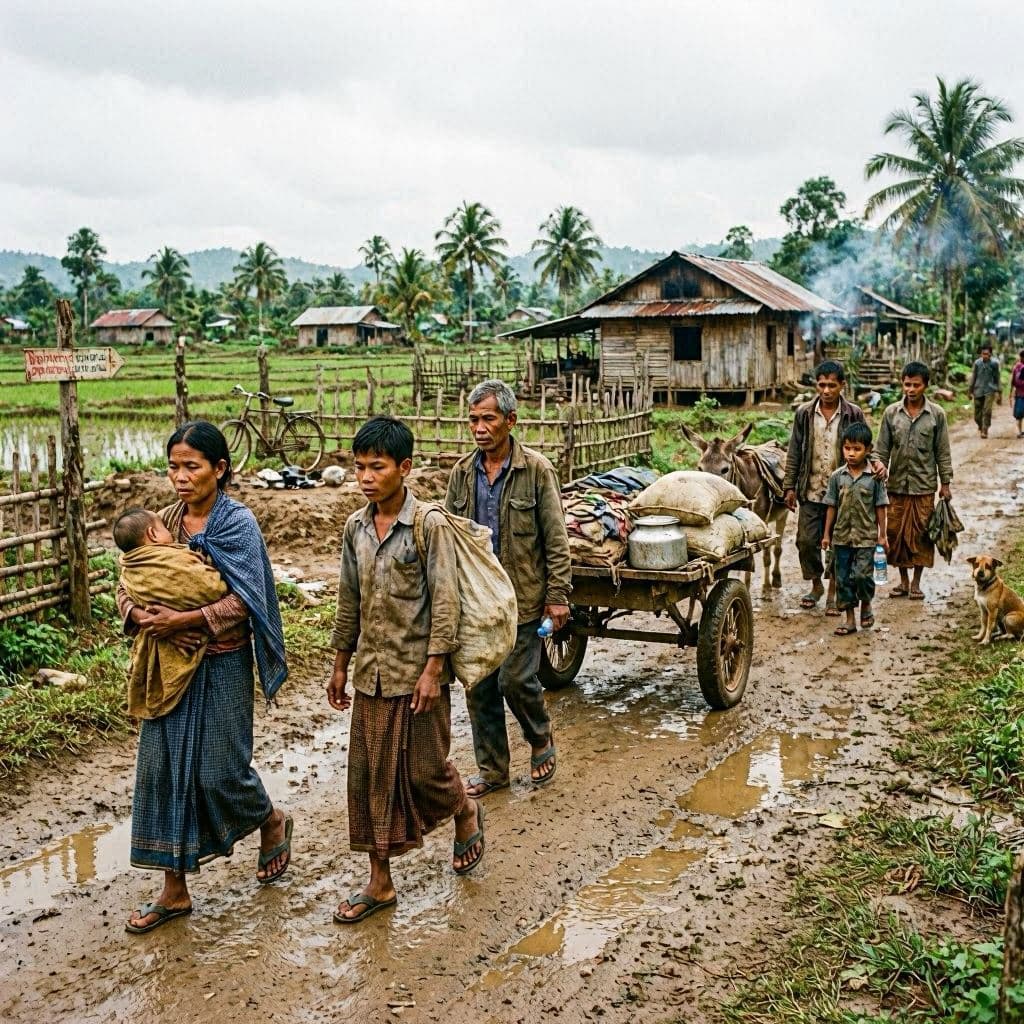
Recent reports indicate renewed and intensified fighting between Myanmar's military government and various armed groups operating across several regions of the country. The clashes have contributed to worsening humanitarian conditions and renewed displacement among civilian populations. Humanitarian organizations report that thousands of people have been forced to leave their homes in search of safety, with temporary shelters and local support networks facing increasing pressure as displacement numbers rise.
The conflict traces back to long-standing political and ethnic tensions that intensified significantly following the military takeover in 2021. Since then, armed resistance movements and ethnic organizations have expanded operations in different parts of Myanmar. The military's response has often been heavy-handed, leading to further civilian casualties and a cycle of violence that seems unending.
International agencies continue expressing concern over civilian protection, access to humanitarian assistance, and restrictions affecting aid delivery. Reaching affected communities remains difficult in many contested areas, where ongoing fighting hampers relief efforts. The United Nations and various NGOs have called for urgent action to address the humanitarian needs of those caught in the crossfire.
Regional and global diplomatic efforts aimed at encouraging dialogue have produced limited progress. Neighboring countries and international organizations continue calling for peaceful solutions and expanded humanitarian access. However, the entrenched positions of the military and various armed groups complicate these efforts, leaving many observers skeptical about the prospects for a peaceful resolution.
Economic conditions have also deteriorated in many areas affected by conflict. Disruptions to trade, agriculture, and transportation have placed additional strain on communities already facing insecurity. The economic fallout from the conflict is exacerbating the humanitarian crisis, as families struggle to meet basic needs amid rising prices and scarcity of resources.
Observers note that resolving Myanmar's crisis will likely require sustained political engagement alongside humanitarian support. The complexity of the conflict, involving multiple actors and longstanding grievances, continues to challenge mediation efforts. As fighting persists, humanitarian agencies emphasize that the immediate priority remains protecting civilians and ensuring access to essential assistance for those displaced by the violence.
Published by Banx Network. This article is part of the Banx decentralized media programme, powered by the BXE token on the XRP Ledger.




