

Key Highlights
- Pope Leo emphasizes humanitarian responsibilities amid conflict.
- His remarks come as tensions rise between Israel and Iran.
- The Vatican advocates for dialogue over military solutions.
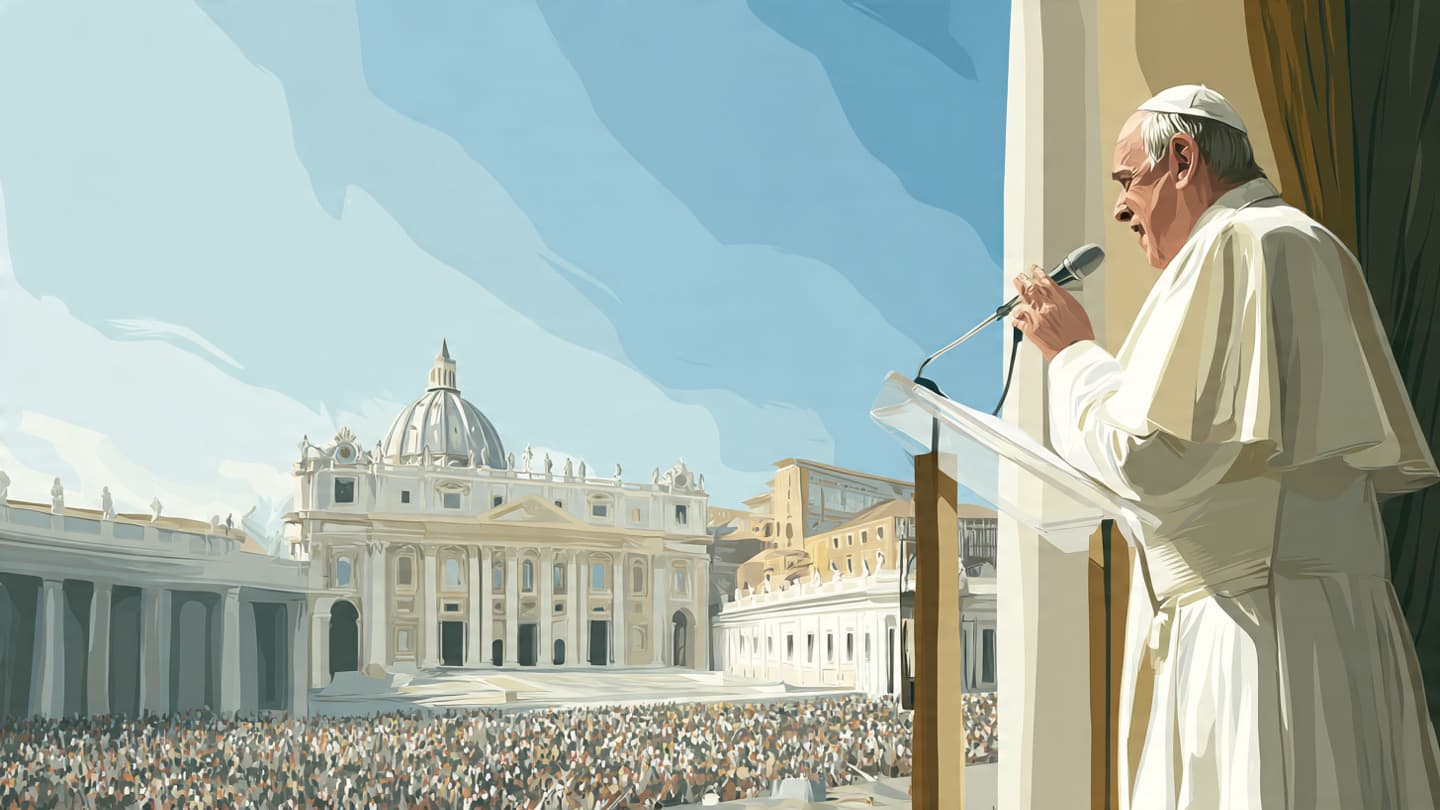
Pope Leo has recently called for a moment of reflection amid the escalating conflict between Israel and Iran, urging leaders and citizens alike to consider the ethical implications of warfare. His message arrives at a time when military developments are dominating global headlines, prompting a need for deeper contemplation on the human costs associated with armed conflict.
Speaking from a moral and humanitarian standpoint, the pontiff highlighted the importance of examining the consequences of war beyond mere strategic objectives. He urged that the focus should not solely be on military gains but also on the profound human suffering that often accompanies such confrontations. This perspective is particularly relevant as the situation in the Middle East continues to evolve, with diplomatic efforts and military actions shaping the landscape of international relations.
Historically, religious leaders have played a crucial role in advocating for peace and reconciliation during times of crisis. Pope Leo's comments align with this tradition, emphasizing the need for a broader moral discourse that addresses the dignity of human life. His appeal serves as a reminder that the ethical dimensions of conflict should not be overlooked, especially when civilian populations bear the brunt of military actions.
The humanitarian impact of the ongoing conflict is a pressing concern for many observers. Civilians often face significant disruptions, including threats to their safety, displacement from their homes, and limited access to essential services. As the conflict unfolds, the need for humanitarian assistance becomes increasingly urgent, underscoring the importance of protecting civilian lives amidst military operations.
International organizations and humanitarian agencies continue to advocate for dialogue and de-escalation in the region. While political leaders may prioritize security objectives, these organizations stress the necessity of safeguarding human rights and ensuring that pathways to negotiation remain open. The Vatican's historical stance on promoting diplomatic engagement during crises reflects a commitment to peaceful resolution rather than endorsing specific military strategies.
Analysts note that while moral arguments may not directly dictate geopolitical outcomes, they can significantly influence public discourse and remind policymakers of the human realities behind their decisions. As the international community closely monitors the situation, Pope Leo's remarks add another layer to the complex debate surrounding the Israel-Iran conflict, prompting reflection on how nations can pursue security while remaining cognizant of their humanitarian responsibilities.
In conclusion, the call for reflection by Pope Leo serves as a crucial reminder of the ethical considerations that must accompany any military engagement. As tensions rise, the challenge remains for leaders to balance security needs with the imperative to protect human dignity and promote peace.
Published by Banx Network. This article is part of the Banx decentralized media programme, powered by the BXE token on the XRP Ledger.




