

Key Highlights
- Michelle Obama critiques America’s readiness for a woman president.
- Kamala Harris’ 2024 campaign reflects ongoing gender bias.
- Over 70 countries have elected female leaders, highlighting U.S. lag.
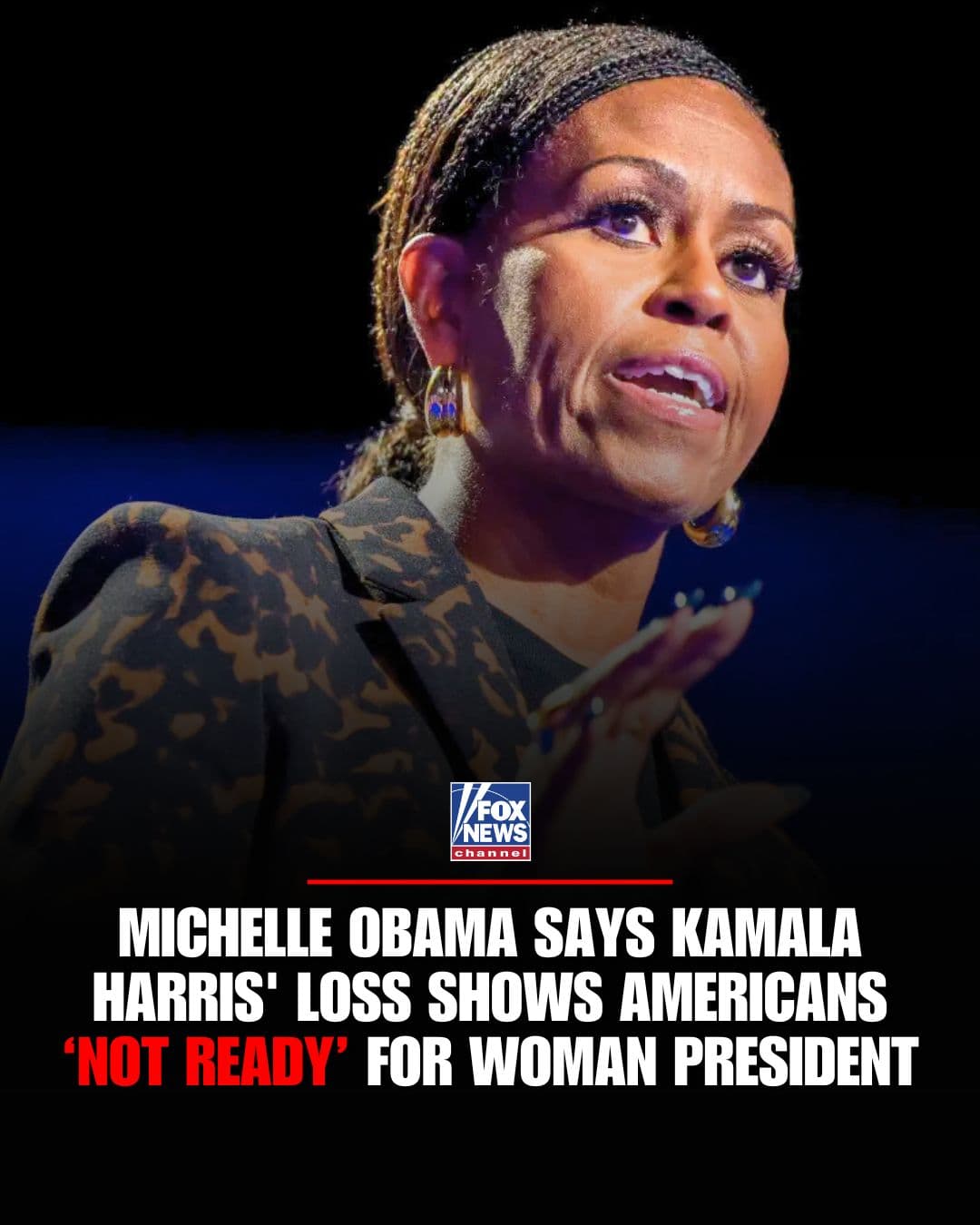
Michelle Obama’s recent remarks have ignited a national conversation about gender bias in American politics. During a discussion reflecting on Kamala Harris’ defeat in the 2024 presidential race, Obama suggested that the loss underscores a troubling reality: the United States may still not be ready to elect a woman to the highest office. This statement comes at a time when the country has made significant strides in female representation, yet the presidency remains a notable exception.
Despite historic advancements, including record numbers of women in Congress and increasing female leadership in various sectors, the presidency has yet to see a woman elected. Obama’s comments highlight a persistent cultural attitude that may be hindering progress. While many polls indicate that a majority of Americans support the idea of a woman president, voting behavior often contradicts these sentiments, revealing a complex relationship between public opinion and electoral outcomes.
The 2024 presidential campaign of Kamala Harris, which was both well-funded and historically significant, faced challenges that many attribute to gender and racial biases. Voter perceptions often skew against female candidates, with studies showing that women leaders are frequently judged more harshly on their tone, appearance, and likability compared to their male counterparts. This bias can significantly impact their electoral success, as seen in Harris’ campaign.
Globally, the U.S. lags behind in electing female leaders, with over 70 countries having already appointed women to the highest offices. This stark contrast raises questions about America’s commitment to gender equality in political representation. The historical precedent of electing male presidents for over 240 years, despite the presence of numerous capable female candidates, further emphasizes the systemic barriers that women face in politics.
Obama’s frustration resonates with many who argue that the issue is not about capability but rather perception. Critics of the current political landscape contend that voters should prioritize policies and performance over outdated gender stereotypes that have long influenced political outcomes. Her remarks serve as a call to action, urging a reevaluation of the societal expectations that continue to shape the political arena.
Ultimately, Obama’s comments are not merely about one election; they reflect a broader systemic issue that has persisted for decades. The question remains: what will it take for America to finally break the political glass ceiling? And perhaps more critically, when will that change occur? As the nation grapples with these questions, the dialogue surrounding gender and power in politics is more relevant than ever.
Published by Banx Network. This article is part of the Banx decentralized media programme, powered by the BXE token on the XRP Ledger.




