

Key Highlights
- Fuel prices are rising, impacting family budgets and commutes nationwide.
- A potential federal gas tax suspension is being debated to ease consumer costs.
- Critics warn that suspending the tax may not significantly benefit consumers.
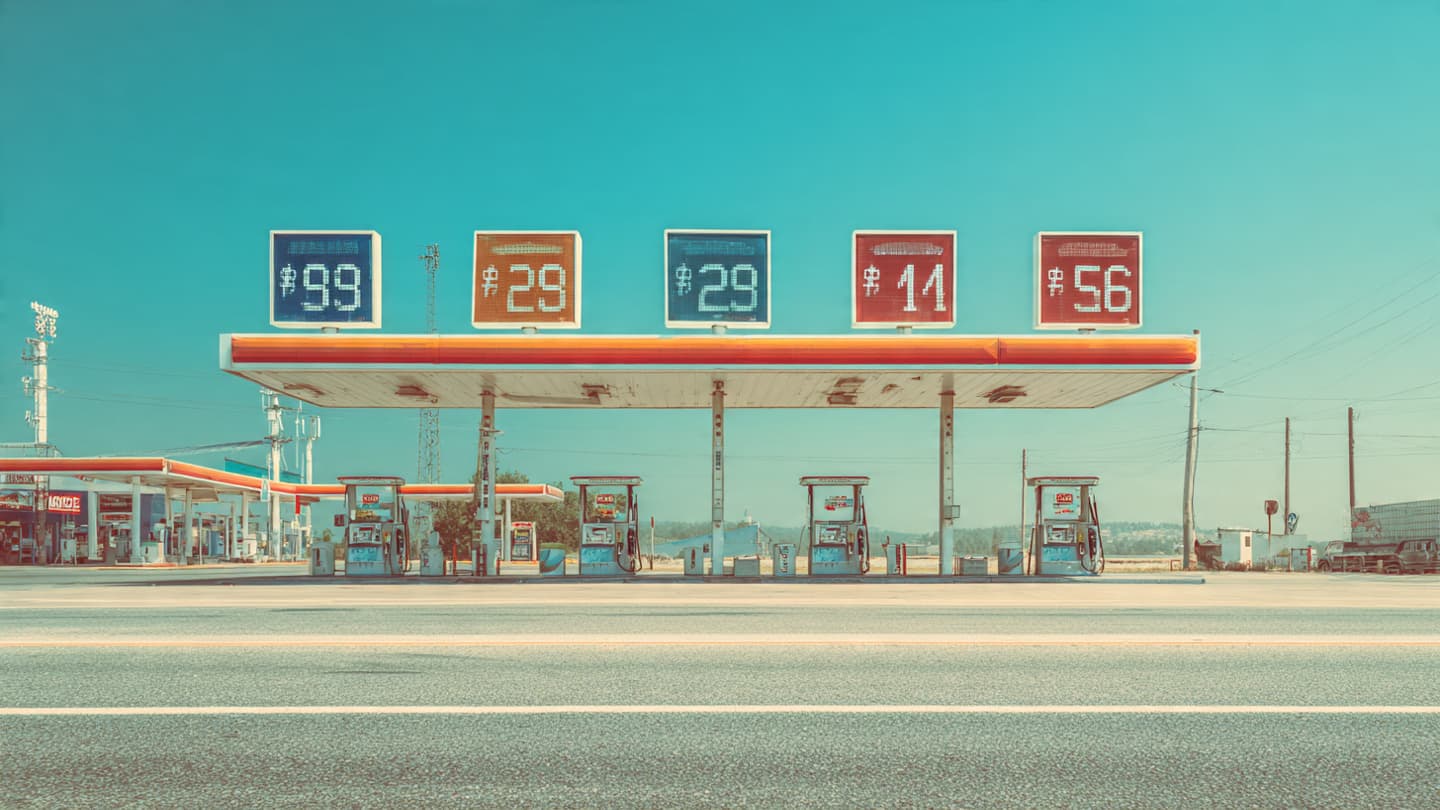
The fluctuations in fuel prices often resemble the ebb and flow of tides, subtly rising before becoming a pressing concern for many Americans. Across gas stations in the United States, prices are climbing, prompting discussions that extend beyond mere economics to encompass broader issues such as inflation and the financial strain on households. As these discussions unfold in Washington, the potential for a federal gas tax suspension has emerged as a focal point.
A senior official associated with former President Donald Trump’s economic team recently indicated a willingness to consider suspending the federal gas tax, currently set at 18.4 cents per gallon for gasoline and slightly higher for diesel. This tax revenue is crucial for funding the Highway Trust Fund, which supports essential infrastructure projects like road maintenance and bridge repairs. Any move to suspend this tax would necessitate congressional approval, making it a complex issue amid ongoing political debates.
Proponents of a temporary gas tax suspension argue that it could provide immediate financial relief to drivers grappling with rising fuel costs. They frame the proposal as a necessary response to inflationary pressures that affect not only transportation but also shipping and household expenses. Historically, similar proposals have surfaced during periods of heightened energy costs, reflecting a recurring theme in American economic policy.
However, critics of the gas tax suspension caution that the potential savings for consumers may be minimal. They argue that the fluctuations in oil markets and retail fuel prices are often driven more by global supply and demand dynamics than by federal tax rates. Some transportation analysts emphasize that while a tax suspension might offer temporary relief, it could also jeopardize funding for critical infrastructure improvements that rely on these tax revenues.
This debate comes at a time when inflation and energy policy are under intense scrutiny. Fuel prices are particularly sensitive to various factors, including international supply conditions, refinery operations, and geopolitical tensions that can disrupt global oil markets. Policymakers from both major parties are actively seeking solutions that balance the need for consumer relief with the long-term funding requirements for transportation infrastructure.
Former President Trump has consistently highlighted energy production and fuel affordability as key components of his political agenda. Officials aligned with his policies advocate for increased domestic energy development and reduced regulatory barriers, positioning these strategies as essential for economic relief. The recent discussions regarding a potential gas tax suspension align with this broader narrative, reflecting ongoing concerns about energy costs and their impact on everyday Americans.
As of now, no formal proposal has been introduced in Congress, and lawmakers remain divided on the feasibility and implications of suspending the gas tax. The conversation surrounding fuel prices, inflation, and government policy continues to evolve, underscoring the complexities of addressing economic challenges in a rapidly changing landscape.
Published by Banx Network. This article is part of the Banx decentralized media programme, powered by the BXE token on the XRP Ledger.




