

Key Highlights
- U.S. troop reductions in Europe announced this week.
- Adjustments part of a broader strategic military review.
- European leaders emphasize continued NATO cooperation.
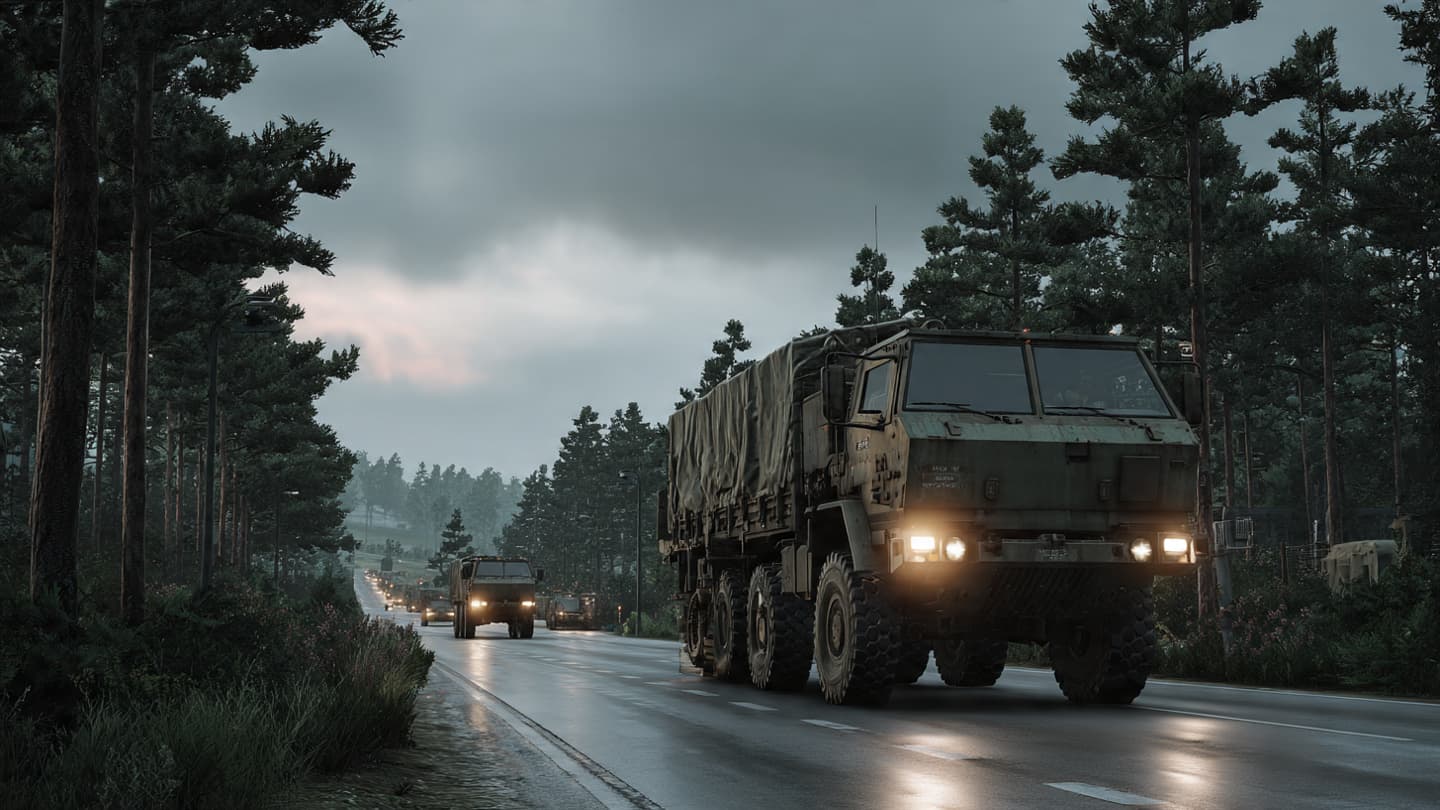
The United States has announced plans to reduce portions of its troop presence in Europe, a decision that has sparked discussions among defense analysts and allied governments regarding the future of transatlantic security cooperation. This move is part of a broader strategic review aimed at enhancing military flexibility and global readiness in response to evolving geopolitical priorities.
According to U.S. defense officials, the adjustments are not expected to dismantle major NATO operations but reflect changing calculations regarding force distribution and long-term defense planning. For decades, American troops stationed across Europe have symbolized both military capability and political reassurance. Following World War II and throughout the Cold War, U.S. military bases became central to Europe’s security architecture, serving as a deterrent against potential aggressors.
The announcement comes at a time of heightened security concerns across the continent, particularly due to Russia’s ongoing conflict with Ukraine. This situation has prompted NATO members to strengthen coordination, increase defense spending, and reassess their preparedness levels. Consequently, even limited troop adjustments attract significant political and strategic attention, as they may signal shifts in commitment to collective defense.
Pentagon officials have reiterated the United States' commitment to NATO and its collective defense obligations. Military planners have pointed out that advancements in technology, mobility, and rapid deployment capabilities allow armed forces to maintain operational readiness, even with adjustments to permanent troop numbers in specific regions. This flexibility is crucial as the U.S. navigates a complex global security landscape.
European governments have responded cautiously to the troop reduction announcement, with many leaders emphasizing the importance of continued alliance cooperation. Some analysts suggest that these reductions may encourage European nations to accelerate investments in domestic defense industries and military modernization programs. This trend is already visible in several NATO member states, which are increasingly focusing on enhancing their military capabilities in light of regional threats.
The broader global context also influences Washington’s strategic calculations. American defense priorities are increasingly shifting to include strategic competition in the Indo-Pacific region, cybersecurity concerns, and emerging technologies such as artificial intelligence and space-based defense systems. Balancing resources across multiple global theaters has become a complex challenge for policymakers, necessitating careful consideration of troop deployments.
For local communities near long-established military bases, troop reductions may have economic implications as well. American military installations often support jobs, housing markets, and regional businesses, meaning that strategic decisions can significantly impact civilian economies beyond defense policy alone. As troop levels change, the effects on local economies will need to be monitored closely.
Despite the potential changes in troop levels, officials from both sides of the Atlantic continue to describe NATO as a central pillar of Western security cooperation. The coming years will likely determine how alliances adapt to a world where geopolitical competition is expanding across both traditional and emerging domains, underscoring the importance of maintaining strong transatlantic ties.
Published by Banx Network. This article is part of the Banx decentralized media programme, powered by the BXE token on the XRP Ledger.




