

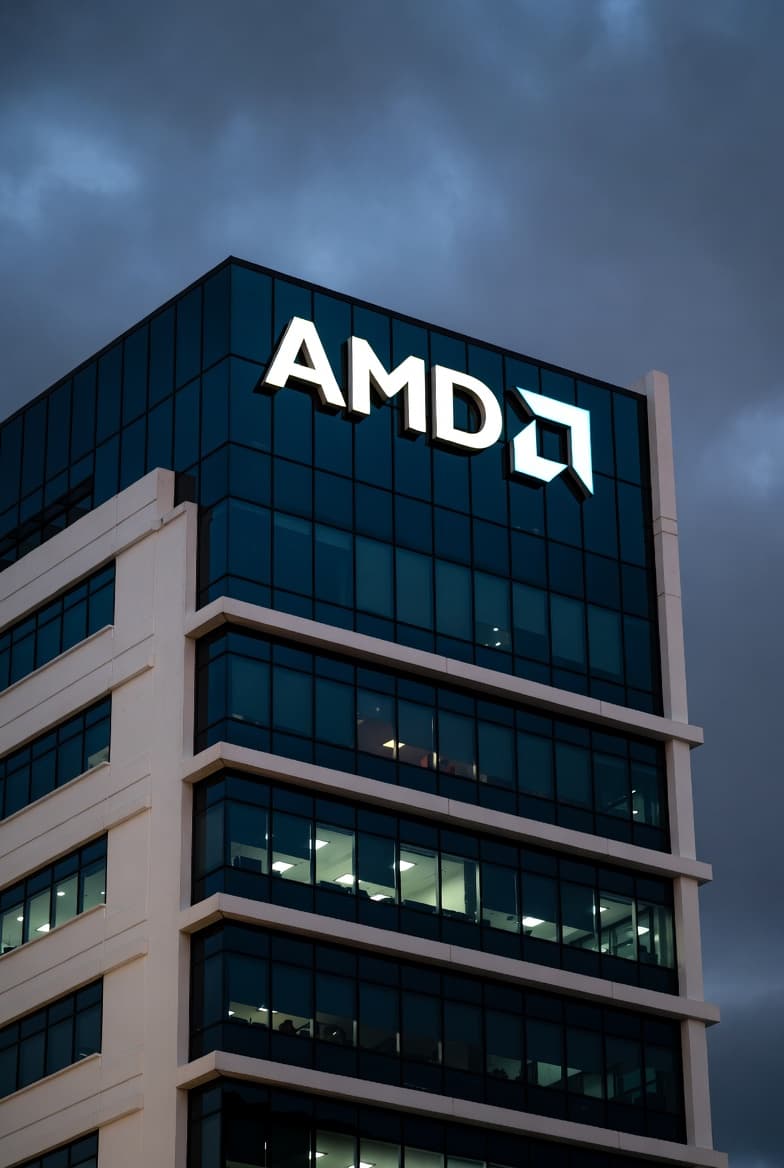
Key Highlights
- AMD and Meta have signed a multi-year deal worth up to $60 billion.
- The agreement includes the supply of 6 gigawatts (6GW) of AMD Instinct GPUs.
- Shipments for the initial deployment are set to begin in late 2026.
AMD has officially announced a groundbreaking partnership with Meta, committing to supply up to 6 gigawatts (6GW) of AMD Instinct GPUs. This multi-year agreement is designed to bolster Meta's AI infrastructure, particularly for training and inference tasks associated with large models like Llama and future projects. The deal represents one of the largest AI infrastructure commitments made to a non-Nvidia supplier, with analysts estimating its value could reach between $60 billion and $100 billion over the next five years, depending on various factors including pricing and volume.
The first phase of this ambitious project will see shipments of custom AMD Instinct GPUs based on the MI450 architecture, optimized specifically for Meta's workloads. These GPUs will be integrated into the Helios rack-scale architecture, which was co-developed with Meta through the Open Compute Project. The initial deployment is scheduled to commence in the second half of 2026, marking a significant milestone in the collaboration between the two tech giants.
In addition to the GPUs, Meta plans to deploy millions of AMD EPYC processors, including the upcoming 6th Generation “Venice” CPUs, across its data centers. This move is part of a broader strategy to enhance Meta's core services, which are already largely powered by AMD technology. The alignment of hardware, systems, and software roadmaps between AMD and Meta underscores the depth of their partnership.
A unique aspect of this deal is the creative structure that allows Meta to acquire warrants for up to 160 million AMD shares at a nominal exercise price of $0.01 per share. These warrants will vest progressively based on the volume of purchases and specific milestones, starting with the first gigawatt shipped. This arrangement not only aligns Meta's interests with AMD's long-term success but also provides a potential equity upside for Meta.
The timing of this announcement is particularly noteworthy, coming just days after Meta revealed a significant expansion of its partnership with Nvidia, which includes the acquisition of millions of Blackwell GPUs. This strategic diversification aims to mitigate risks associated with relying on a single vendor in the competitive AI landscape. AMD's growing reputation in inference workloads, where power efficiency and cost-per-token are critical, positions it as a formidable competitor in the AI market.
Market reactions to the announcement have been overwhelmingly positive, with AMD's stock surging by 10-14% in pre-market trading, reflecting investor confidence in AMD's evolving role as a serious contender against Nvidia. This deal not only validates AMD's capabilities but also enhances its visibility and order predictability in the rapidly expanding AI sector.
For AMD, this partnership signifies a major endorsement from one of the largest AI spenders in the world, promising accelerated revenue growth and a strong strategic ally. For Meta, the diversification of suppliers will lead to improved pricing and power efficiency in AI inference tasks, while also providing a stake in AMD's future success. The implications of this partnership extend beyond the two companies, potentially challenging Nvidia's dominance in the GPU market and fostering innovation across the industry.
As AMD continues to solidify its position in the AI revolution, the question remains: Is this partnership the beginning of a credible alternative to Nvidia's supremacy, or merely a strategic diversification move? The coming years will reveal the true impact of this landmark agreement.
Published by Banx Network. This article is part of the Banx decentralized media programme, powered by the BXE token on the XRP Ledger.




