At the edge of an industrial corridor, where transmission lines trace long arcs across the sky and the low, steady sound of machinery blends into the background of daily life, electricity rarely draws attention to itself. It moves invisibly, obediently, carrying power from one place to another with little ceremony. Yet now and then, a regulatory adjustment causes that current to surface into public view, reminding observers that energy is never only technical. It is also political, environmental, and deeply tied to the rhythms of modern ambition.
Such a moment has arrived with a recent clarification from the U.S. Environmental Protection Agency, one that touches a significant source of electricity used by xAI’s Grok artificial intelligence system. The agency’s updated interpretation concerns how certain on-site power generators are classified under federal air quality rules, a distinction that determines whether facilities must meet stricter pollution controls or reporting requirements.
At issue are gas-fired turbines and generators increasingly used by large data centers to supplement or bypass strained electric grids. In Memphis, Tennessee, where xAI has rapidly expanded computing operations to support Grok, these generators have played a central role in ensuring a steady flow of power. They offer reliability and speed in a landscape where demand for electricity — driven by artificial intelligence — is growing faster than infrastructure can easily respond.
The EPA’s clarification narrows the circumstances under which such generators are considered emergency-only equipment. In doing so, it potentially subjects some facilities to tighter scrutiny if their power sources are used more frequently or for longer durations than previously assumed. While the rule does not single out any one company, its implications land squarely in places where AI development, energy use, and environmental oversight intersect.
For communities near these facilities, the question is not abstract. Power generation brings with it emissions, noise, and the presence of heavy infrastructure. For companies building large-scale AI systems, the rule underscores a broader challenge: the tension between rapid technological expansion and regulatory frameworks designed in an earlier energy era. The growth of artificial intelligence has made electricity not just a utility, but a strategic asset, one that must now be negotiated across environmental, political, and economic lines.
Industry groups have noted that the clarification could complicate efforts to keep data centers operating continuously, particularly during periods of grid stress. Environmental advocates, meanwhile, see the move as a necessary step toward ensuring that backup power does not quietly become a primary source without oversight. Between these positions lies a familiar American landscape of compromise, interpretation, and gradual adjustment.
In plain terms, the Environmental Protection Agency has clarified how federal air rules apply to certain power generators commonly used by data centers. The clarification affects a major electricity source for xAI’s Grok system and could require closer regulatory attention if such generators are used beyond emergency purposes.
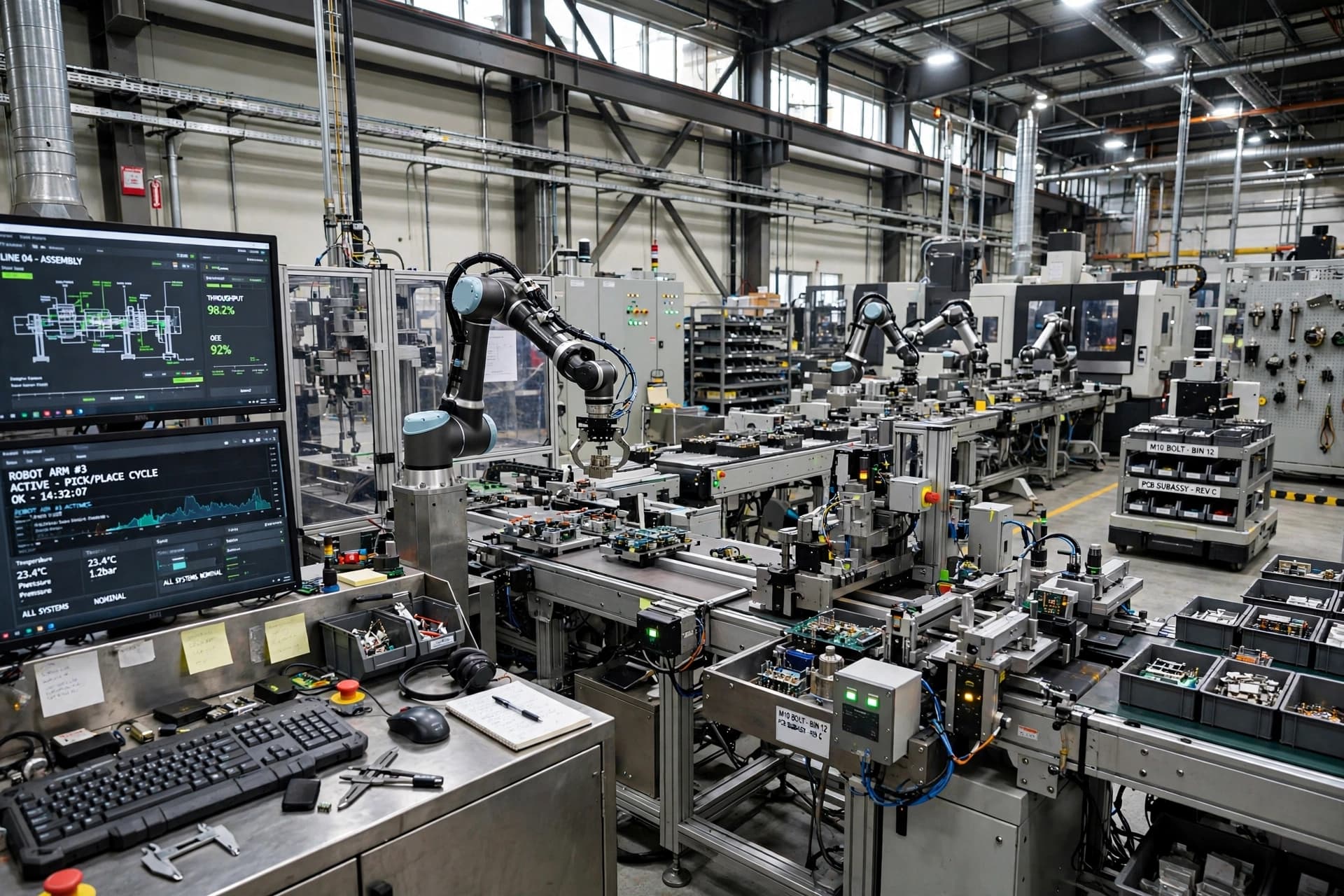
AI Image Disclaimer Visuals are AI-generated and serve as conceptual representations.
Sources Reuters Bloomberg Financial Times Associated Press
Published by Banx Network. This article is part of the Banx decentralized media programme, powered by the BXE token on the XRP Ledger.