
Key Highlights
- Japan's Defense Ministry has deployed its first unit of long-range counterstrike missiles in western Japan.
- This deployment marks a significant shift in Japan's defense strategy amid rising regional tensions.
- The move reflects a broader evolution in Japan's military posture, adapting to changing security conditions.
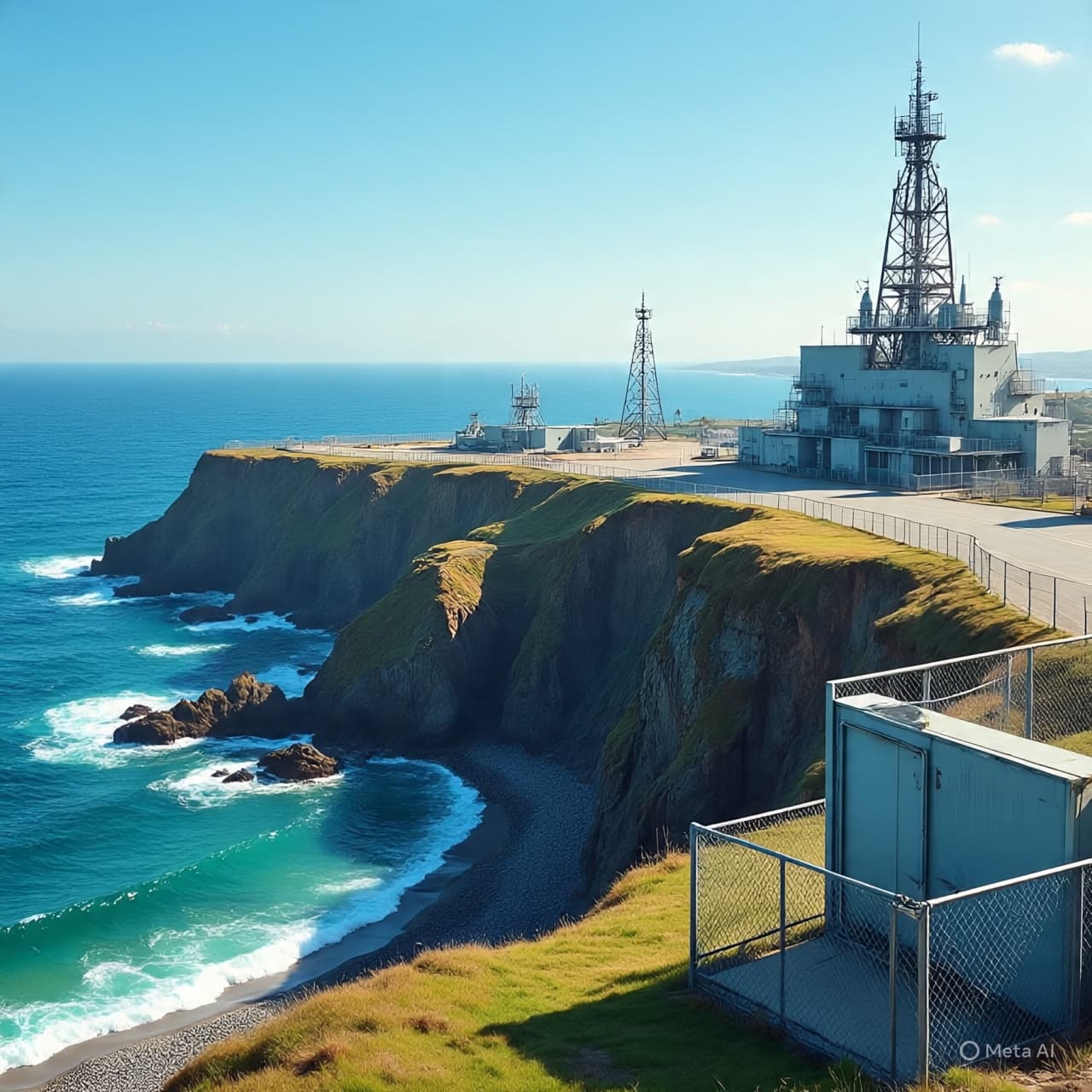
Japan's coastline, where land meets the vastness of the sea, has always held strategic importance. Recently, this horizon has taken on renewed significance as the Japan Ministry of Defense has confirmed the deployment of its first unit of long-range counterstrike missiles in western Japan. This development signifies a pivotal shift in Japan's defense strategy, reflecting the country's response to an increasingly complex regional security landscape.
The deployment of these missiles is not merely a tactical maneuver; it represents a broader evolution in Japan's military posture. Historically, Japan has adhered to principles of restraint and self-defense, but recent geopolitical tensions have prompted a reevaluation of its defense capabilities. The introduction of counterstrike capabilities indicates a willingness to extend Japan's strategic reach, allowing the nation to address potential threats from a greater distance.
Officials have emphasized that this move is part of a comprehensive effort to strengthen deterrence in light of escalating tensions in the region. Western Japan, with its proximity to vital maritime routes and neighboring territories, serves as a strategic vantage point for these missile systems. The placement of long-range missiles in this area underscores the critical role geography plays in shaping defense decisions, as well as the importance of being prepared for potential conflicts.
The implications of this deployment extend beyond Japan's borders. In a region where military developments are closely monitored, the introduction of long-range missiles alters the strategic calculus for neighboring countries. What was once considered a distant threat now feels much closer, reshaping perceptions of security and response times. This shift in military capability not only enhances Japan's defense posture but also influences the broader regional dynamics.
Despite the significant changes occurring beneath the surface, the outward appearance of Japan's coastal towns and landscapes remains largely unchanged. The deployment of military equipment and the readiness of defense systems occur in a context that may seem tranquil to the casual observer. However, the balance of distance and response is being quietly redefined, as Japan positions itself to address emerging threats more effectively.
As Japan continues to adapt its defense strategy, the deployment of long-range counterstrike missiles marks a critical juncture in its military evolution. The move reflects a commitment to enhancing national security amid growing regional concerns, signaling a new era in Japan's approach to defense and deterrence.
Published by Banx Network. This article is part of the Banx decentralized media programme, powered by the BXE token on the XRP Ledger.



