
Key Highlights
- Pakistan's railway network faces disruptions from violence and attacks.
- Increased security measures are in place to protect train services.
- Trains serve as vital connections for remote communities and trade.
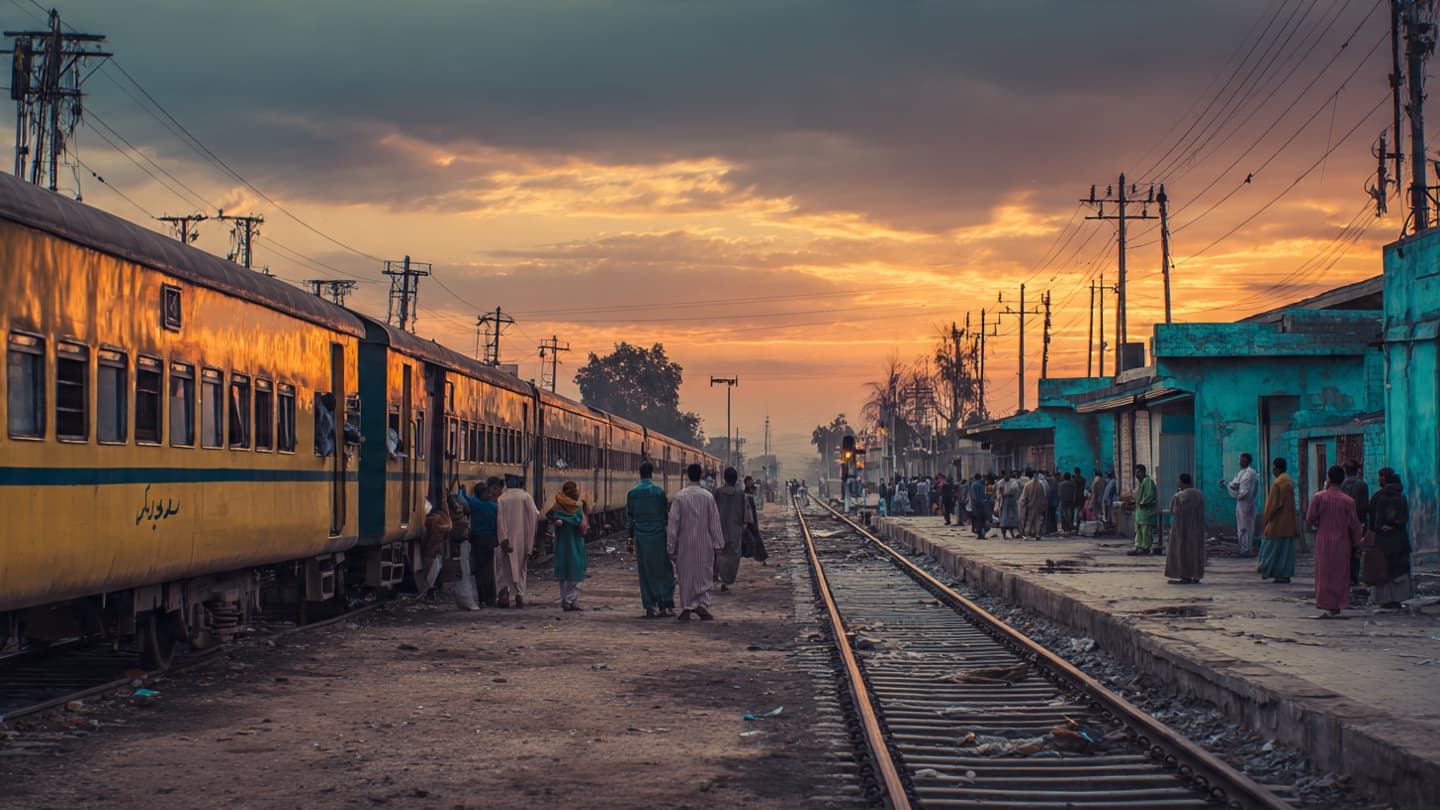
Pakistan's railway system, a vital artery for transportation and commerce, continues to operate despite facing significant challenges. Along the long steel lines that traverse the country's diverse landscapes, trains embody a quiet determination, echoing through towns where the rhythm of life is often measured by their passing. In the early hours, as stations linger in the twilight, the sound of wheels on tracks resonates like a promise—of connection, continuity, and journeys that unfold with a steady logic.
However, the tranquility of these journeys has been marred by incidents of violence, including hijackings, bombings, and derailments. In regions such as Balochistan and Khyber Pakhtunkhwa, where insurgent activity is prevalent, trains have become targets for militant groups aiming to disrupt infrastructure and assert their presence. These sporadic attacks carry a heavy weight, as trains symbolize not just transportation but the gathering of people and stories into a visible thread of national identity.
In response to these threats, railway authorities, in collaboration with security forces, have implemented a range of measures to enhance safety. Increased patrols, surveillance of vulnerable routes, and urgent repairs of damaged lines reflect the critical importance of the railway network. For many communities, trains are not merely a means of travel; they are lifelines that connect remote areas to urban centers, facilitating trade and sustaining daily routines that might otherwise unravel.
Despite the risks, the railway system persists. This continuity is marked by a quiet insistence, a refusal to let disruption define the entirety of the experience. Passengers board trains with a blend of practical awareness and unspoken understanding, carrying the ordinary expectations of travel alongside a recognition of the uncertainties that sometimes accompany it. The resilience of the railway network mirrors the broader reality of Pakistan, where infrastructure often coexists with instability, requiring constant adaptation.
Each repaired track and resumed journey contributes to a larger narrative of resilience, though this is rarely articulated by those who rely on these services. The recurrence of attacks raises pressing questions about long-term safety and investment in modernization efforts. Partnerships and development plans aimed at revitalizing Pakistan's rail network hinge on a degree of predictability that is continually challenged by violence. The delicate balance between maintaining operations and ensuring safety is shaped by immediate needs and broader strategic considerations.
Yet, the trains continue to run. There is a subtle defiance in this motion—not in a dramatic sense, but in the steady, almost understated way the system persists. Tracks are cleared, schedules adjusted, and departures proceed, even as memories of recent events linger. This continuity does not erase the disruptions but places them within a larger flow that resists halting altogether.
As the day unfolds and another train departs, the familiar rhythm returns: stations fill and empty, landscapes blur past, and lives intersect briefly before diverging again. In the background, the awareness of past incidents shapes precautions and perceptions, underscoring the vulnerability of Pakistan's railways, particularly in regions affected by insurgency. Nevertheless, the network endures, supported by heightened security and ongoing repairs, reflecting both necessity and resolve. The journey continues, carrying not only passengers but also the quiet insistence that movement, even when challenged, must go on.
Published by Banx Network. This article is part of the Banx decentralized media programme, powered by the BXE token on the XRP Ledger.



