
Key Highlights
- Average Speed Cameras:New Zealand introduces cameras measuring speed over distance.
- Nationwide Rollout:17 locations confirmed for installation by 2026.
- Enhanced Safety:Aimed at reducing serious crashes linked to speeding.
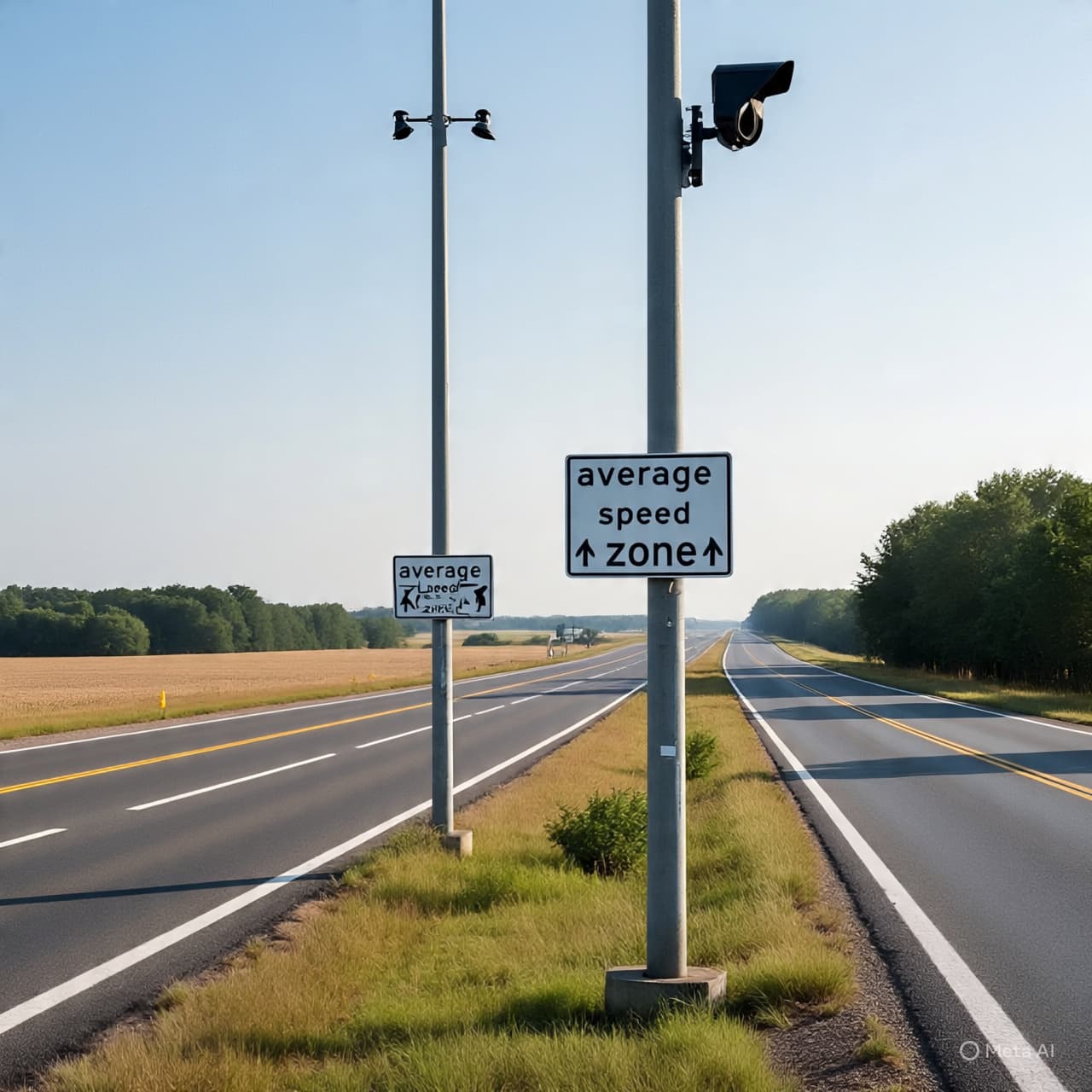
In a significant move towards enhancing road safety, New Zealand is introducing average speed safety cameras across the country. Unlike traditional speed cameras that capture a vehicle's speed at a single point, these new devices measure how fast a vehicle travels over a stretch of road. This shift in approach reflects a deeper understanding of how speed impacts road safety over the entirety of a journey.
The first of these average speed cameras is already operational on Matakana Road in Warkworth, marking the beginning of a broader initiative. The rollout will occur in stages, with several sites already under construction and others planned for future installation. The New Zealand Transport Agency (Waka Kotahi) has identified key locations where speeding has historically contributed to serious accidents, ensuring that the cameras are placed where they can have the most impact.
In the upper North Island, several routes have been earmarked for this initiative. In Auckland and Northland, roads such as East Coast Road and Kahikatea Flat Road are among those selected for camera installation. Further south, the Waikato region will see cameras along State Highway 2 between Pōkeno and Mangatāwhiri, while the Bay of Plenty will have installations near Matatā and Tumunui on State Highways 2 and 5, respectively. These measures are expected to be fully operational by 2026.
The initiative extends into Hawke’s Bay, with cameras planned between Te Hauke and Pakipaki, and into Manawatū-Whanganui, where the route from Sanson to Foxton has been identified as a high-risk area. Additional sites across the country include Wellington’s State Highway 2, Canterbury’s State Highway 8, Otago’s State Highway 1, and Southland’s State Highway 6. In total, 17 locations have been confirmed, each chosen based on data indicating a persistent link between speed and serious crashes.
This new approach to speed enforcement represents a subtle yet significant shift in how speed is perceived by drivers. Rather than being a momentary adjustment, speed is now viewed as a continuous behavior that must be managed throughout the entirety of a journey. This change encourages drivers to maintain a consistent speed, reducing the likelihood of accidents caused by sudden accelerations or decelerations.
As the rollout progresses, some cameras are already operational, while others are still under construction. In many areas, there will be a transitional period where signage will inform drivers when cameras are not yet active. This phased approach aims to prepare drivers for the new enforcement measures while ensuring that safety remains a priority.
The introduction of average speed cameras is part of a broader strategy by the New Zealand government to improve road safety and reduce the number of serious accidents on its roads. By focusing on speed over distance, authorities hope to foster a culture of responsible driving that prioritizes safety for all road users.
Published by Banx Network. This article is part of the Banx decentralized media programme, powered by the BXE token on the XRP Ledger.



