
Key Highlights
- Sweden's Foreign Minister advocates for a full maritime ban on Russian energy vessels.
- The proposal aims to close gaps in existing sanctions and align with European energy discussions.
- Enforcement of the ban would require international cooperation and shared standards.
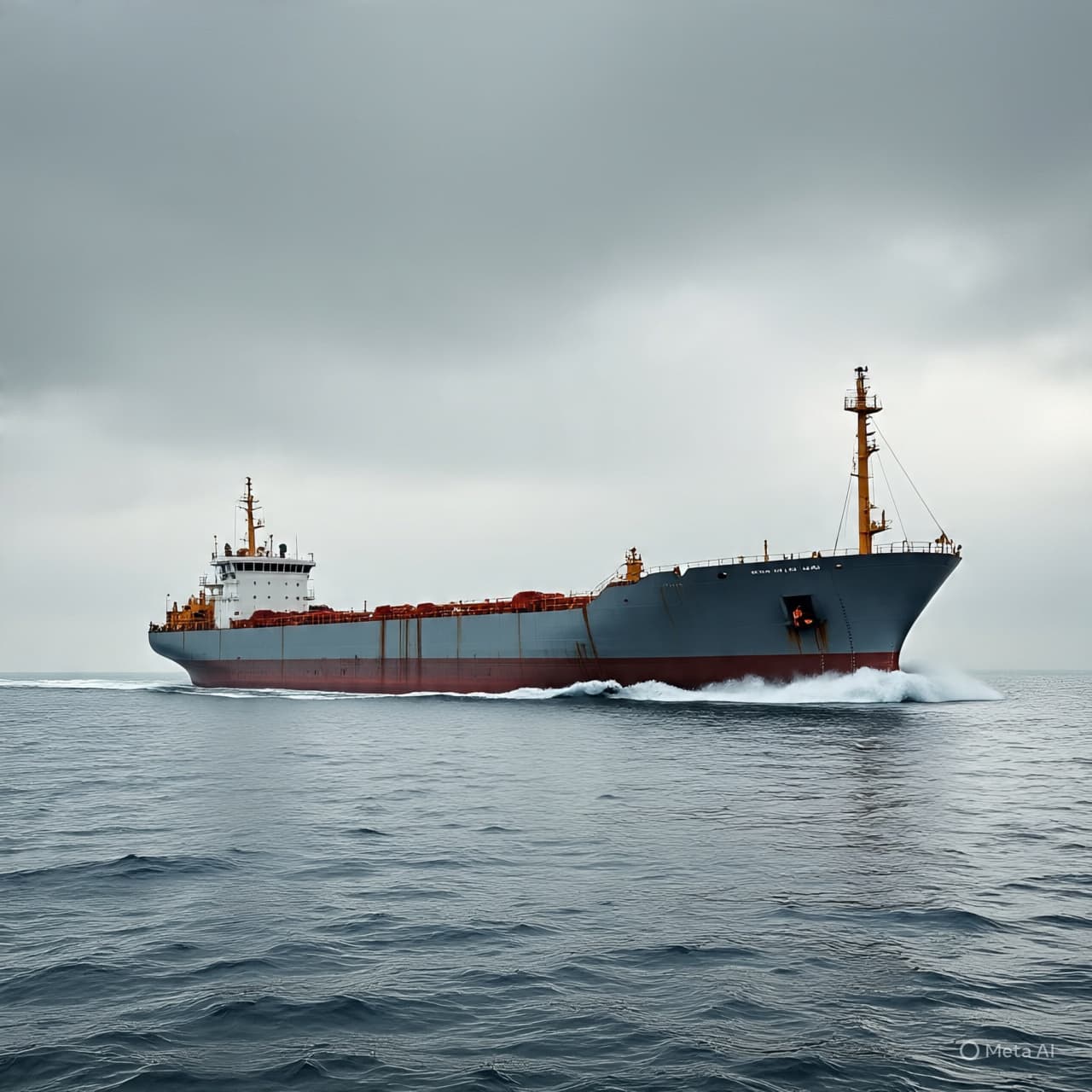
Sweden is taking a firmer stance on maritime policy in response to ongoing geopolitical tensions. In a recent statement, Foreign Minister Maria Malmer Stenergard announced the government's intention to implement a full maritime ban on vessels transporting Russian energy. This move signifies a strategic shift in Sweden's approach to energy sanctions, extending pressure beyond land and air to the maritime routes that have historically facilitated Russian oil and gas exports.
The Baltic Sea and surrounding waterways have long served as crucial channels for commerce, yet they have remained relatively unscathed by the sanctions imposed on Russia following its invasion of Ukraine. Despite tightening restrictions in other areas, maritime transport has continued to function as a vital artery for Russian energy exports. Tankers navigating these northern waters have become a common sight, their operations driven by global demand and inconsistent enforcement of sanctions. Sweden's call for a full ban on Russian energy vessels aims to address these inconsistencies and reinforce the country's commitment to reducing reliance on Russian energy.
This proposed ban aligns with broader discussions across Europe regarding energy independence and the need to limit revenues that support Russia's military actions. By advocating for a comprehensive approach that includes maritime restrictions, Sweden seeks to ensure that the sea does not become an exception in the collective effort to impose economic pressure on Russia. The government believes that all avenues of energy transport must be scrutinized and regulated to effectively diminish Russia's energy influence.
However, implementing such a ban is not without its challenges. Maritime restrictions could have significant implications for international shipping, insurance, and the coordination required among coastal states. The enforcement of a ban would necessitate shared standards and agreements, particularly in waters governed by overlapping jurisdictions and international law. As such, Sweden's proposal enters a complex arena where principles of sovereignty and practicality must be carefully navigated.
Stenergard's remarks also highlight Sweden's evolving role within the European security framework, especially following its recent NATO membership. The country has increasingly engaged in discussions about deterrence and collective responsibility, recognizing that energy policy is now intertwined with national security considerations. This shift reflects a broader understanding that energy dependence can pose risks, particularly in regions adjacent to Russia.
At this stage, the proposal remains a statement of intent rather than a definitive policy change. It signals Sweden's desire for a more robust maritime stance while allowing for further consultation with European partners and institutions. The waters remain open for navigation, but the dialogue surrounding them has undoubtedly transformed, indicating a collective readiness to confront the challenges posed by Russian energy exports.
As Sweden moves forward with this initiative, the effectiveness of its maritime ban will depend on the willingness of European allies to coordinate and implement such measures. The outcome of these discussions will be pivotal in shaping the future of energy security in the region and beyond.
Published by Banx Network. This article is part of the Banx decentralized media programme, powered by the BXE token on the XRP Ledger.



